
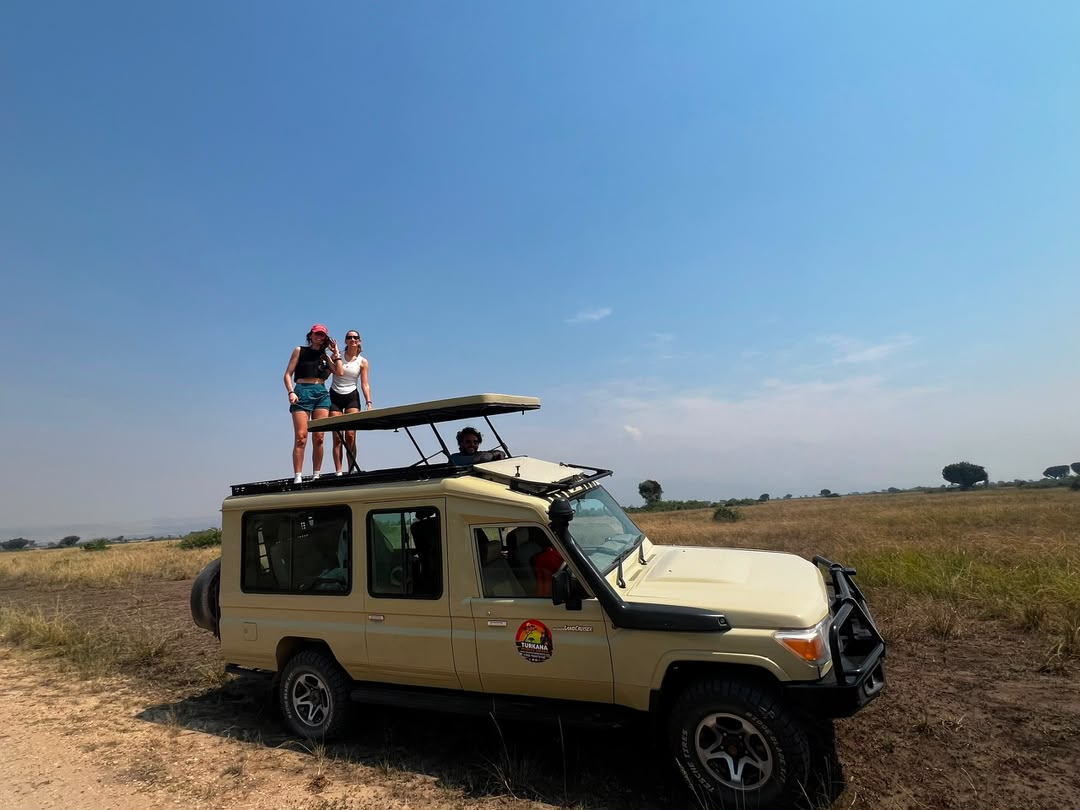
What is a typical Safari Day like in Uganda
What is a typical Safari Day like in Uganda
What Is a Typical Safari Day Like in Uganda?
A safari in Uganda is much more than simply driving through a national park looking for animals. A typical safari day combines early-morning wildlife viewing, beautiful landscapes, relaxation at a lodge or camp, delicious meals, and often another wildlife activity in the afternoon.
Uganda’s safari experience can vary depending on the destination, season, accommodation and activities included in your itinerary. However, most wildlife-focused safari days are built around the periods when animals are more active, particularly early morning and late afternoon.
Whether you are exploring Murchison Falls National Park, Queen Elizabeth National Park, Kidepo Valley National Park or Lake Mburo National Park, each day offers something different.
Early Morning: Wake Up for the Safari
A typical safari day in Uganda starts early.
Guests often wake up before sunrise, usually around 5:30 AM to 6:00 AM, depending on the location of the lodge and the planned activity. You may have tea, coffee and a light snack before heading into the park.
Early mornings are particularly popular for game drives because temperatures are cooler and many animals are active after the night. Elephants, buffaloes, giraffes, antelopes and other wildlife may be feeding, while predators such as lions and leopards can sometimes still be active.
The early morning light also creates excellent conditions for wildlife photography.
Morning Game Drive
The morning game drive is often one of the highlights of a Uganda safari.
Your driver-guide takes you along designated game tracks while searching for wildlife. Rather than simply driving from one location to another, the guide watches animal movements, tracks and the surrounding environment to help identify wildlife.
Depending on the park, you may encounter:
- Lions
- Elephants
- Buffaloes
- Giraffes
- Uganda kobs
- Warthogs
- Antelopes
- Hippos
- Leopards
- Hyenas
- Numerous bird species
Wildlife sightings are never guaranteed because animals are free to move wherever they choose. This unpredictability is part of what makes a safari exciting.
A typical morning game drive can last several hours, depending on the itinerary, wildlife sightings and the interests of the travelers.
Returning to the Lodge for Breakfast
After the morning game drive, you normally return to your lodge or safari camp for breakfast or brunch.
This is a good time to relax, shower, enjoy the surroundings and recharge.
Some lodges have swimming pools, gardens, viewpoints or comfortable outdoor areas where guests can relax while enjoying the sounds and scenery of the African wilderness.
For travelers who have been awake since before sunrise, this midday break is often very welcome.
Midday: Relaxation or Another Safari Activity
The middle of the day is generally a quieter period for traditional game viewing because temperatures can become higher and some animals seek shade or become less active.
Instead of spending the entire day inside a safari vehicle, your itinerary may include other activities.
Depending on the destination, you could enjoy:
- A boat safari
- Nature walks
- Bird watching
- Cultural experiences
- Forest walks
- Community visits
- Chimpanzee tracking
- Relaxation at the lodge
For example, a Uganda safari can combine a morning game drive with a boat safari, giving travelers an opportunity to experience wildlife from both land and water.
Lunch at the Lodge or Camp
Lunch is usually served around midday or early afternoon.
Meals vary according to the lodge or camp, but visitors can generally expect a mixture of local and international dishes.
After lunch, there is normally time to rest before the afternoon activity.
This relaxed rhythm is one of the enjoyable aspects of a safari. You are not expected to spend every minute searching for animals.
Afternoon: Prepare for Another Wildlife Experience
As temperatures begin to fall, the safari becomes active again.
Guests may leave their accommodation around 3:00 PM to 4:00 PM for an afternoon game drive, depending on the park and itinerary.
Late afternoon is another useful period for wildlife viewing. Animals may begin leaving shaded areas to feed or move toward water sources, while the changing light creates beautiful photography conditions.
The experience can be very different from the morning drive because you may explore another section of the park and encounter different species.
Late Afternoon Game Drive
The afternoon drive is often more relaxed than the early morning drive.
You might spend time watching elephants crossing the savannah, giraffes feeding among trees, buffaloes grazing or antelopes moving across open grassland.
If you are lucky, you may also encounter predators preparing for the evening.
Your guide may adjust the route according to recent wildlife sightings and the conditions within the park.
The changing African landscape is also part of the experience. As the sun gets lower, the savannah can take on beautiful golden tones, making this a wonderful time for photography.
Sunset and Return to the Lodge
As daylight fades, the safari vehicle gradually makes its way back toward the lodge or camp.
The exact timing depends on the park’s regulations and the type of activity being undertaken.
After returning to the lodge, guests can freshen up, relax and enjoy dinner.
For many travelers, this is also a good time to review photographs from the day and talk about the wildlife encounters they experienced.
Evening: Dinner and Relaxation
Dinner is usually a relaxed affair.
Some safari lodges offer outdoor dining experiences, while others serve meals in a restaurant or dining area.
After dinner, guests can spend the evening relaxing around the lodge, enjoying the surroundings or preparing for the next day’s activities.
In destinations where night drives are available and permitted, an evening wildlife activity may also be arranged. Night drives provide opportunities to look for nocturnal species that are difficult to encounter during daylight hours.
What Makes Every Safari Day Different?
One of the most important things to understand about a Uganda safari is that there is no guaranteed schedule for wildlife.
You might spend 20 minutes watching elephants one morning and then encounter lions later that same day.
Another day may produce an exceptional bird sighting, a large herd of buffaloes or a leopard resting in a tree.
Your guide can adapt the route according to weather, recent sightings, animal movements and your interests.
This flexibility is an important part of the safari experience.
A Sample Typical Safari Day in Uganda
Here is an example of what a wildlife safari day might look like:
| Time | Activity |
|---|---|
| 5:30 AM | Wake up and have tea/coffee |
| 6:00 AM | Depart for morning game drive |
| 6:00–9:30 AM | Wildlife viewing and photography |
| 10:00 AM | Return to lodge |
| 10:30 AM | Breakfast/brunch |
| 11:00 AM–1:00 PM | Relaxation or optional activity |
| 1:00 PM | Lunch |
| 2:00–3:30 PM | Rest at lodge |
| 3:30 PM | Depart for afternoon game drive |
| 3:30–6:30 PM | Wildlife viewing and photography |
| Evening | Return to lodge |
| 7:00–8:00 PM | Dinner |
| Later evening | Relax or optional night activity |
This is only a sample. The actual schedule can change according to the national park, accommodation, travel distances and activities included in your safari.
What Should You Bring on a Typical Safari Day?
A few practical items can make your safari much more comfortable.
Consider packing:
- Comfortable, lightweight clothing
- A light jacket for early mornings
- Comfortable walking shoes
- Hat or cap
- Sunglasses
- Sunscreen
- Insect repellent
- Binoculars
- Camera and spare batteries
- Reusable water bottle
- Personal medication
- Small backpack
Binoculars are particularly useful because some animals and birds may be far from the vehicle.
Safari Days in Different Ugandan Parks
A typical safari day can feel quite different depending on where you travel.
Murchison Falls National Park
A day here can combine a morning game drive with a boat safari on the Nile. The park offers opportunities to see elephants, giraffes, buffaloes, Uganda kobs, lions and numerous bird species.
Queen Elizabeth National Park
A safari day can include a game drive in areas such as the Kasenyi Plains, followed by activities such as a boat cruise on the Kazinga Channel.
Kidepo Valley National Park
Kidepo provides a more remote wilderness experience. Morning and late-afternoon drives can explore areas such as the Narus Valley, where wildlife can be particularly interesting.
Lake Mburo National Park
Lake Mburo is well suited to shorter safaris and can offer game drives as well as walking and other nature-based experiences. Morning and late-afternoon game drives are commonly used for wildlife viewing.
Safari With Turkana Wildlife Safaris Uganda
With Turkana Wildlife Safaris Uganda, a safari day can be planned around your interests, travel schedule and preferred pace.
Whether you want a classic wildlife safari, a family adventure, a photography-focused trip, a birding experience or a combination of wildlife viewing and primate experiences, the itinerary can be organized to give you time for both adventure and relaxation.
The aim is not simply to fill every hour with activities. A good Uganda safari should give you enough time to explore, observe wildlife, take photographs and enjoy the natural environment.
Frequently Asked Questions
1. What time does a safari start in Uganda?
Many wildlife safaris start early in the morning, often around sunrise. The exact departure time depends on the park, lodge location and planned activity.
2. How long does a game drive in Uganda last?
A typical game drive can last several hours. The duration depends on the park, route, wildlife sightings and the safari itinerary.
3. Do I need to wake up early for a Uganda safari?
For wildlife-focused safaris, an early start is highly recommended because many animals are active during the cooler morning hours.
4. What do you do during the middle of the day?
The midday period is often used for lunch and relaxation, although some itineraries include boat trips, nature walks, cultural experiences, birding or other activities.
5. Can I do two game drives in one day?
Yes. Many safari itineraries combine a morning game drive with a late-afternoon game drive, allowing visitors to experience the park at different times of day.
6. Will I see lions on every safari?
No. Wildlife is wild and sightings cannot be guaranteed. Your guide will use knowledge of the park and recent sightings to increase opportunities for encounters.
7. Can I take photographs during a safari?
Yes. Photography is one of the most popular parts of a Uganda safari. Early morning and late afternoon can provide particularly attractive natural light.
8. What should I wear on safari?
Wear comfortable, lightweight clothing and bring a jacket for cool early mornings. Neutral or natural colors can also be practical for wildlife viewing.
9. Is a Uganda safari tiring?
Safari can involve early mornings and several hours in a vehicle, but most itineraries include breaks at the lodge during the hottest part of the day.
10. Can I customize my safari day?
Yes. A private safari can generally be arranged around your interests, such as wildlife photography, birding, family travel, luxury accommodation or combining game drives with boat cruises and other activities.
Conclusion
A typical safari day in Uganda follows a rewarding rhythm: early morning wildlife viewing, breakfast and relaxation, lunch and a midday break, followed by another wildlife experience in the late afternoon.
The beauty of a Uganda safari is that every day is different. You may watch elephants crossing the savannah, encounter a pride of lions, photograph giraffes in golden evening light, enjoy a boat cruise or simply sit quietly and take in the wilderness.
With careful planning and an experienced guide, Turkana Wildlife Safaris Uganda can help you create a safari experience that balances wildlife, adventure, comfort and relaxation while exploring Uganda’s remarkable national parks.