
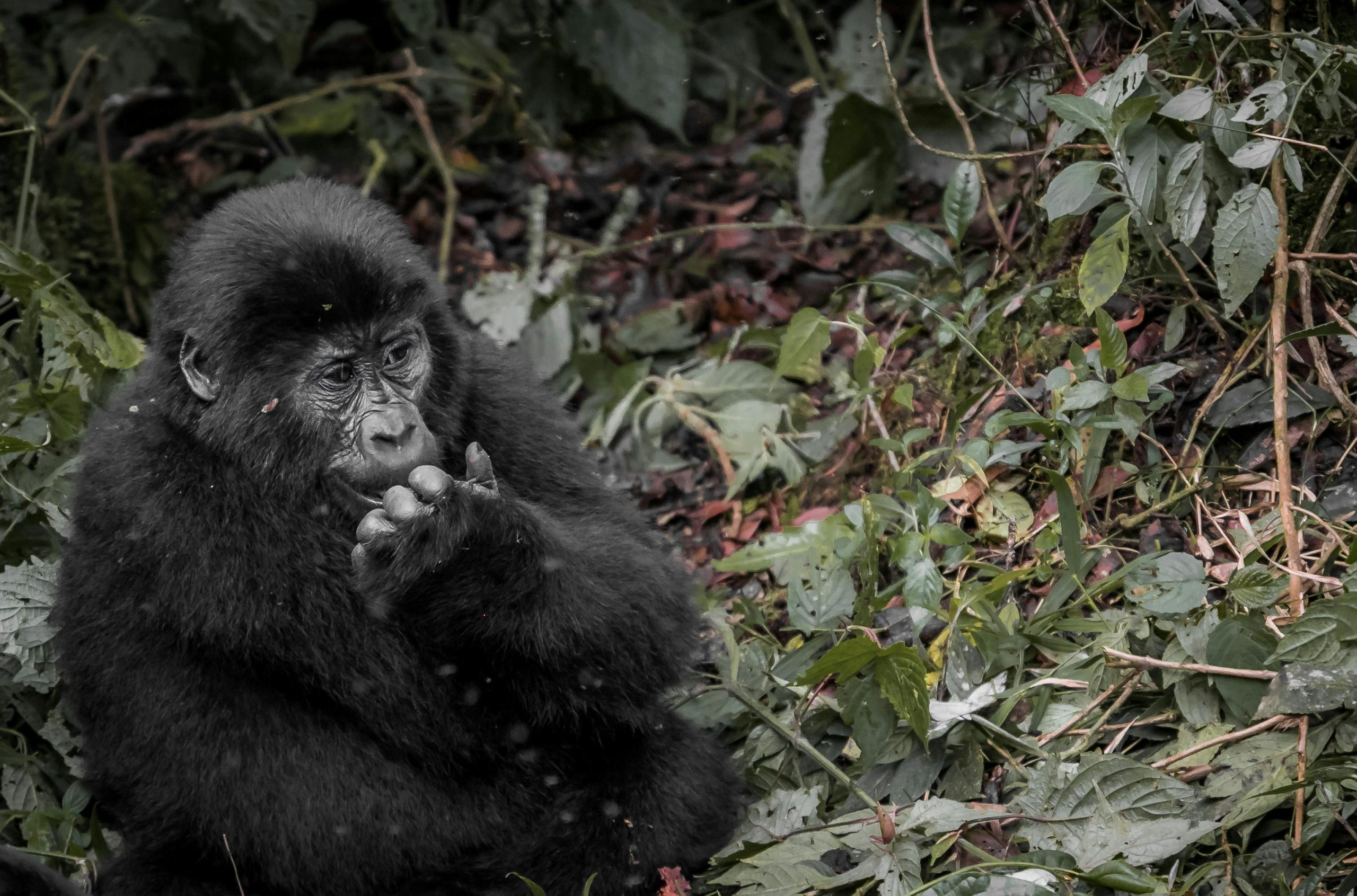
How Safe Is Gorilla Trekking
How Safe Is Gorilla Trekking
How Safe Is Gorilla Trekking? A Complete Guide to Safety, Preparation, and Responsible Tourism
Gorilla trekking is an awe-inspiring adventure that offers travelers the rare opportunity to observe endangered mountain gorillas in their natural habitat. Whether you’re venturing into the misty mountains of Bwindi Impenetrable Forest in Uganda or the lush jungles of Volcanoes National Park in Rwanda, the experience is nothing short of magical. But for many prospective trekkers, one question looms large: How safe is gorilla trekking?
In this comprehensive guide, we’ll delve deep into the safety aspects of gorilla trekking, covering everything from health precautions and park regulations to wildlife behavior and expert tips. This article is designed to be your go-to resource for understanding the safety measures in place and how you can prepare for a secure and unforgettable journey.
What Is Gorilla Trekking?
Gorilla trekking refers to the guided hike through dense forests in search of habituated gorilla families. These treks are conducted in protected areas such as:
- Bwindi Impenetrable National Park – Uganda
- Mgahinga Gorilla National Park – Uganda
- Volcanoes National Park – Rwanda
- Virunga National Park – Democratic Republic of Congo
Treks can last anywhere from 1 to 8 hours, depending on the location of the gorillas. Once the group locates a gorilla family, visitors are allowed to observe them for a strictly regulated 60 minutes.
Is Gorilla Trekking Safe?
Yes, gorilla trekking is generally considered safe, provided that trekkers follow the rules and guidelines set by the park authorities. These guidelines are designed to protect both the visitors and the gorillas.
Why It’s Safe:
- Highly trained guides and rangers accompany every trek.
- Habituated gorilla groups are accustomed to human presence and are non-aggressive.
- Strict protocols are in place to prevent disease transmission.
- Small group sizes (usually 8 people) minimize disturbance and risk.
However, like any adventure in the wild, there are risks involved. These include:
- Uneven and slippery terrain
- Sudden weather changes
- Potential encounters with other wildlife
- Altitude-related challenges
Safety Measures Enforced by Authorities
To ensure the safety of both gorillas and trekkers, conservation authorities have implemented several stringent measures:
1. Gorilla Habituation Process
Before a gorilla family is opened to tourism, they undergo a 2-3 year habituation process where they learn to tolerate human presence.
2. Health Screening
Visitors with symptoms of flu, colds, or other transmittable diseases are not allowed to trek. This is crucial because gorillas share 98% of human DNA and are highly susceptible to human illnesses.
3. Distance Rules
Trekkers must maintain a minimum distance of 7 meters from the gorillas at all times.
4. Group Size and Time Limits
- Only 8 visitors per gorilla group per day
- Maximum of 1 hour spent with the gorillas
5. Armed Escort
Each group is accompanied by armed rangers to protect against any potential threats, including wild animals or poachers.
Health and Physical Fitness Considerations
Gorilla trekking is a physically demanding activity. The terrain is rugged, often steep, and can be muddy or slippery, especially during the rainy season.
Recommended Fitness Level:
- Moderate to high level of fitness
- Ability to walk for several hours in challenging conditions
Health Tips:
- Consult your doctor before traveling
- Get vaccinated for yellow fever, hepatitis A & B, and typhoid
- Carry insect repellent to guard against mosquitoes
- Stay hydrated and pack energy snacks
What to Expect During the Trek
Before the Trek:
- Attend a briefing session at the park headquarters
- Get assigned to a gorilla family based on your fitness level
- Meet your guide, rangers, and porters
During the Trek:
- Hike through dense forest, often off-trail
- Follow the guide’s instructions at all times
- Watch for signs of gorilla presence (nests, dung, broken branches)
Upon Locating Gorillas:
- Stay calm and quiet
- Avoid direct eye contact
- Do not eat, drink, or smoke near the gorillas
- Take photos without flash
Essential Safety Tips for Trekkers
To ensure a safe and enjoyable experience, keep the following tips in mind:
Clothing & Gear:
- Wear long-sleeved shirts and trousers to protect against stinging plants and insects
- Use sturdy hiking boots with good grip
- Bring gloves for grabbing vegetation
- Carry a walking stick (often provided)
Packing List:
- Waterproof jacket
- Hat and sunscreen
- First aid kit
- Camera (no flash)
- Snacks and water (at least 2 liters)
Behavioral Tips:
- Always follow the guide’s instructions
- Speak in low tones
- Do not run if a gorilla charges—stay still and lower your gaze
- Respect the gorillas’ space and behavior
Best Destinations for Safe Gorilla Trekking
Each gorilla trekking destination offers unique experiences, but all are committed to safety and conservation.
Uganda:
Rwanda:
Democratic Republic of Congo:
Each park has trained guides, strict regulations, and a strong commitment to eco-tourism and safety.
Responsible Tourism and Conservation
Gorilla trekking is not just a thrilling experience—it’s a vital part of conservation efforts. The revenue generated from permits helps fund:
- Anti-poaching patrols
- Community development
- Veterinary care for gorillas
- Habitat preservation
How You Can Contribute:
- Choose eco-certified tour operators
- Follow all park rules
- Avoid single-use plastics
- Support local communities by buying handmade crafts
Frequently Asked Questions (FAQ)
1. Is it safe to be so close to wild gorillas?
Yes, provided you follow the rules. The gorillas you visit are habituated and used to human presence. Always maintain the required distance and avoid sudden movements.
2. What happens if a gorilla charges?
Stay calm, avoid eye contact, and follow the ranger’s instructions. Most charges are bluff displays and not actual attacks.
3. Can children go gorilla trekking?
Only individuals aged 15 years and above are allowed to trek. This is due to safety and the physical demands of the activity.
4. What if I get sick before the trek?
You will not be allowed to participate if you show symptoms of contagious illness. It’s essential to be honest about your health to protect the gorillas.
5. Are there any political or security concerns?
In Uganda and Rwanda, gorilla trekking areas are stable and secure. However, always check the latest travel advisories before planning your trip, especially if considering the DRC.
Final Thoughts
So, how safe is gorilla trekking? When done through authorized channels and with proper preparation, it is one of the safest and most rewarding wildlife experiences on the planet. The combination of expert guides, strict regulations, and habituated gorilla families ensures a secure environment for both visitors and the animals.
By respecting the rules, preparing adequately, and trekking responsibly, you not only safeguard your own well-being but also contribute to the long-term survival of one of the world’s most incredible species.