
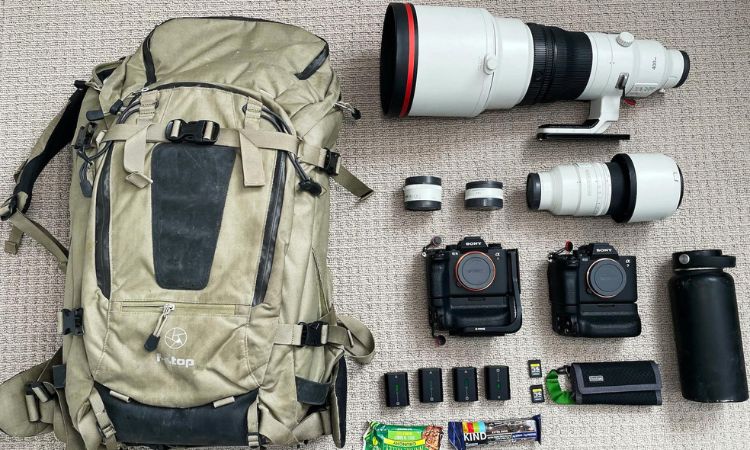
What is the best camera for gorilla trekking
What is the best camera for gorilla trekking
The Ultimate Guide to Choosing the Best Camera for Gorilla Trekking in 2024
Gorilla trekking is a once-in-a-lifetime experience that deserves to be captured with the right gear. Whether you’re heading into the misty mountains of Bwindi Impenetrable Forest in Uganda or the lush jungles of Volcanoes National Park in Rwanda, having the best camera for gorilla trekking is essential to preserve the magic of your encounter with these majestic primates.
In this comprehensive guide, we’ll explore the top cameras suited for gorilla trekking, what features to prioritize, how to protect your gear in the wild, and tips for capturing stunning wildlife photos. Whether you’re a seasoned photographer or a beginner, this article is your go-to resource.
Why Choosing the Right Camera Matters
Gorilla trekking is not your average wildlife safari. The dense forest, unpredictable lighting, and the need for silent operation make it a challenging environment for photography. Choosing the right camera can mean the difference between blurry, underexposed shots and breathtaking images that capture the essence of your trek.
Key Challenges in Gorilla Trekking Photography
- Low light conditions due to dense forest canopy
- Limited shooting distance (you must stay at least 7 meters from the gorillas)
- Humidity and rain which can damage unprotected gear
- Limited time with the gorillas (usually only one hour)
- No flash photography allowed
Top Features to Look for in a Gorilla Trekking Camera
When selecting a camera for your trek, prioritize the following features:
✅ Fast Autofocus
Gorillas are constantly moving, and you need a camera that can quickly lock focus to capture sharp images.
✅ High ISO Performance
Since you’ll be shooting in low light, your camera should perform well at high ISO settings without excessive noise.
✅ Weather Sealing
Jungles are humid and often rainy. A weather-sealed camera body and lens are essential for protection.
✅ Silent Shutter Mode
To avoid disturbing the gorillas, choose a camera with a silent or electronic shutter option.
✅ Lightweight and Portable
You’ll be hiking for hours, often uphill. A compact yet powerful camera will save your back and energy.
Best Cameras for Gorilla Trekking in 2024
Here’s a curated list of top-performing cameras ideal for gorilla trekking, categorized by user level and budget.
📸 Best Mirrorless Cameras
1. Sony Alpha a7 IV
- 33MP Full-frame sensor
- Excellent low-light performance
- Real-time Eye AF for animals
- Weather-sealed body
- 4K video capability
2. Canon EOS R6 Mark II
- 24MP Full-frame sensor
- Dual Pixel CMOS AF II
- In-body image stabilization
- Silent shutter
- Great high ISO performance
3. Nikon Z6 II
- 24.5MP BSI CMOS sensor
- Dual processors for faster performance
- Excellent dynamic range
- Dual card slots
- Solid build quality
📷 Best DSLRs
1. Canon EOS 90D
- 32.5MP APS-C sensor
- Fast 10 fps continuous shooting
- Great battery life
- Weather-resistant body
2. Nikon D7500
- 20.9MP APS-C sensor
- Excellent ISO range
- 8 fps burst shooting
- Durable and lightweight
Best Lenses for Gorilla Trekking
Choosing the right lens is just as important as the camera body. Here are some top lens options:
🦍 Recommended Focal Lengths
- 70-200mm: Ideal for close-up portraits without getting too close
- 24-70mm: Versatile for both wide shots and moderate zoom
- 100-400mm: Great for distant shots while maintaining detail
Essential Accessories for Gorilla Trekking Photography
Don’t forget to pack these must-have accessories:
- Rain cover for your camera and lens
- Extra batteries (cold and humidity drain battery life)
- Lens cleaning cloths and air blower
- Dry bag or waterproof backpack
- Tripod or monopod (optional, but useful for stability)
Photography Tips for Gorilla Trekking
📌 Before the Trek
- Practice shooting in low light
- Learn how to switch settings quickly
- Understand your camera’s silent mode
📌 During the Trek
- Use continuous autofocus (AI Servo / AF-C)
- Keep your shutter speed above 1/250s
- Shoot in RAW for better post-processing
- Be patient and observe behaviors
- Respect the 7-meter rule and avoid flash
📌 After the Trek
- Back up your photos immediately
- Clean and dry your gear
- Edit with software like Lightroom or Capture One
Best Camera Settings for Gorilla Photography
| Setting | Recommendation |
|---|---|
| Mode | Aperture Priority (A/Av) |
| ISO | Auto ISO with max 6400 |
| Aperture | f/2.8 – f/5.6 |
| Shutter Speed | 1/250s or faster |
| Focus Mode | Continuous AF (AF-C) |
| Drive Mode | High-speed continuous |
Gorilla Trekking Destinations & Photography Regulations
🌍 Top Gorilla Trekking Locations
- Bwindi Impenetrable National Park
- Mgahinga Gorilla National Park
- Volcanoes National Park
- Virunga National Park
📜 Photography Rules
- No flash photography
- Keep a safe distance (7 meters minimum)
- Limit noise and movement
- Follow ranger instructions at all times
Frequently Asked Questions (FAQ)
1. What is the best camera for beginners going gorilla trekking?
For beginners, the Sony RX100 VII is a great choice. It’s compact, powerful, and easy to use, with excellent autofocus and zoom capabilities.
2. Can I use my smartphone for gorilla photography?
Yes, modern smartphones like the iPhone 15 Pro or Samsung Galaxy S23 Ultra have excellent cameras. However, they lack the zoom and low-light performance of dedicated cameras.
3. Should I bring a tripod?
A tripod is not necessary and may be cumbersome. A lightweight monopod or handheld shooting with image stabilization is usually sufficient.
4. How do I protect my camera from rain and humidity?
Use a rain cover, keep your gear in a dry bag, and carry silica gel packets to absorb moisture.
5. What’s the best time of day for gorilla photography?
Most treks start in the morning. Early light can be soft and beautiful, but conditions vary. Be prepared for changing light and adjust your settings accordingly.
Final Thoughts
Choosing the best camera for gorilla trekking is about balancing performance, portability, and durability. Whether you opt for a high-end mirrorless system or a compact camera, the key is to know your gear and be ready for the unpredictable nature of the jungle.
Remember, the goal is not just to take photos, but to immerse yourself in the experience. The gorillas are wild, majestic, and deeply human in their expressions. With the right camera and a respectful approach, you’ll come away with images—and memories—that last a lifetime.