
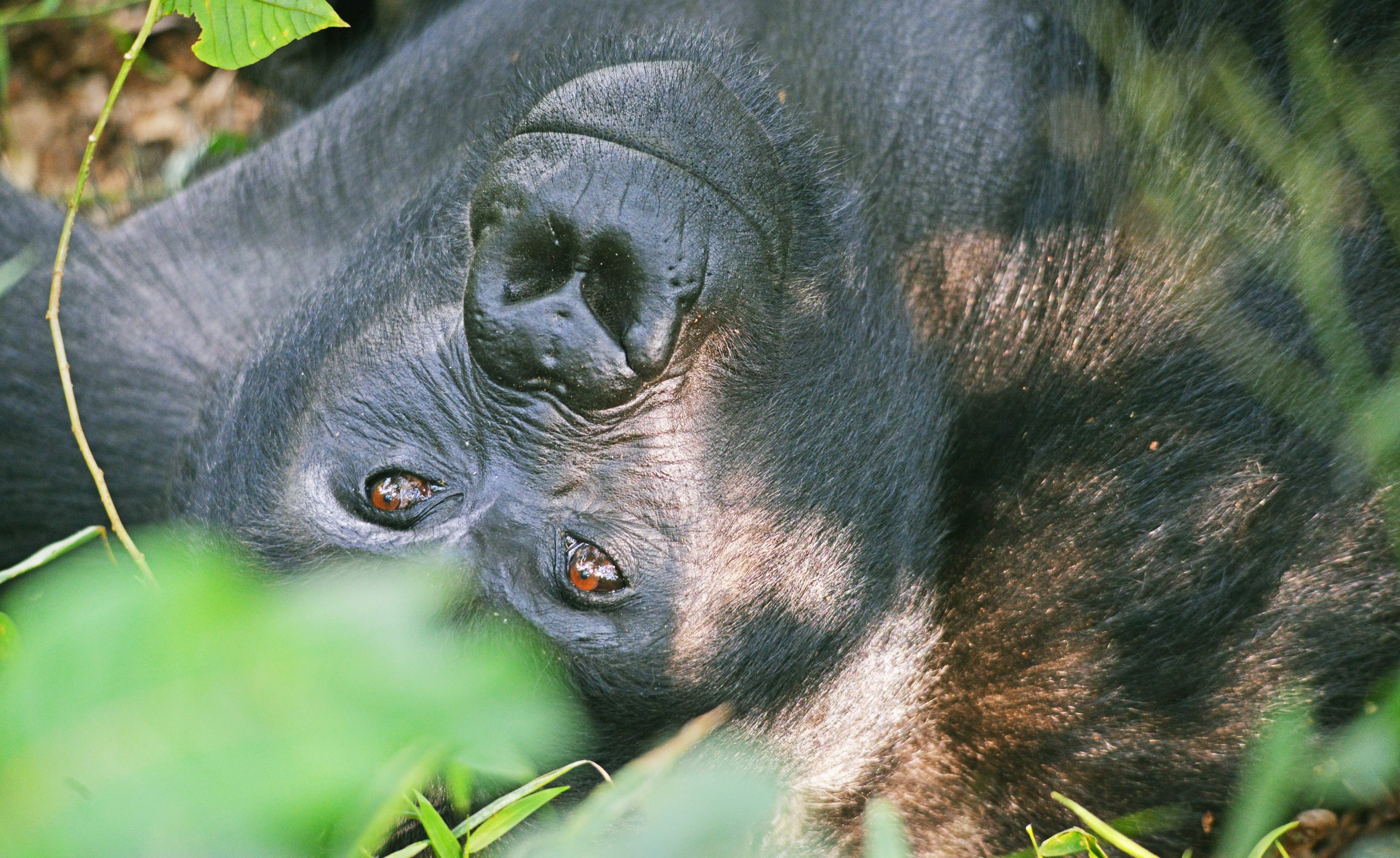
Is Gorilla Trekking Encounter in Uganda Safe
Is Gorilla Trekking Encounter in Uganda Safe
Is Gorilla Trekking Encounter in Uganda Safe?
Yes, gorilla trekking in Uganda is generally safe when you go with licensed operators, follow Uganda Wildlife Authority (UWA) regulations, and use experienced guides. The activity is tightly controlled (small group sizes, set time with gorillas, mandatory briefing), and it takes place in protected areas with ranger presence.
Why Gorilla Trekking in Uganda Is Considered Safe
1) Strict park management and ranger protection
Gorilla encounters are led by trained UWA rangers and trackers. Trek routes are assessed daily, and groups are guided to minimize risk.
2) Habituated gorilla families
Visitors only track gorilla groups that are habituated meaning they’re accustomed to human presence under controlled conditions. This reduces unpredictable encounters.
3) Rules reduce human wildlife conflict
Standard rules (distance, no flash photography, no sudden movements) meaningfully reduce the chance of a defensive gorilla reaction.
The Main Risks (and How They’re Managed)
A) Terrain and physical strain (most common)
Uganda’s gorilla parks (notably Bwindi) can be steep, muddy, and slippery. This is the most frequent source of minor injuries (sprains, slips).
Mitigation:
- Wear ankle-support hiking boots and gaiters
- Use a walking stick (often provided)
- Consider hiring a porter (also supports local livelihoods)
B) Health and disease transmission
Gorillas share susceptibility to human respiratory illnesses. If you’re sick, you may be asked not to trek.
Mitigation:
- Don’t trek with flu-like symptoms
- Follow hygiene guidance and distancing rules
- Some parks may require masks depending on current policy
C) Wildlife behavior
Even habituated gorillas are wild animals. Rarely, a gorilla may chest-beat, bluff charge, or vocalize if it feels threatened.
Mitigation:
- Follow the guide’s exact instructions
- Keep calm, avoid eye contact, and don’t run
- Maintain the recommended distance
Security Considerations (Travel Safety)
Uganda’s main gorilla trekking regions are well established tourism areas. As with travel anywhere:
- Use reputable operators for transport and logistics
- Avoid night driving in remote areas when possible
- Keep valuables secure and follow local guidance
Practical Safety Checklist (Before You Go)
- Book through a licensed operator (permits, transport, briefings)
- Get travel insurance that covers trekking/hiking activities
- Bring proper gear: rain jacket, layers, gloves, long trousers, insect repellent
- Hire a porter if you’re unsure about fitness or carrying a daypack
- Follow the briefing: distance, time limit, photography rules
FAQ
1) Can gorillas attack tourists?
It’s very rare. When visitors follow ranger instructions, incidents are uncommon and usually limited to bluff behavior.
2) Is Bwindi safe for solo travelers?
Yes, many solo travelers trek safely. Your trekking group and ranger team provide structure and safety.
3) What if I’m not very fit?
Tell your operator routes and gorilla families can sometimes be matched to ability. A porter helps a lot.
4) Is it safe during the rainy season?
Yes, but trails can be more slippery. Good boots, walking stick, and patience are key.
5) Do children trek gorillas in Uganda?
Minimum age is typically 15 (confirm current rules at booking).