
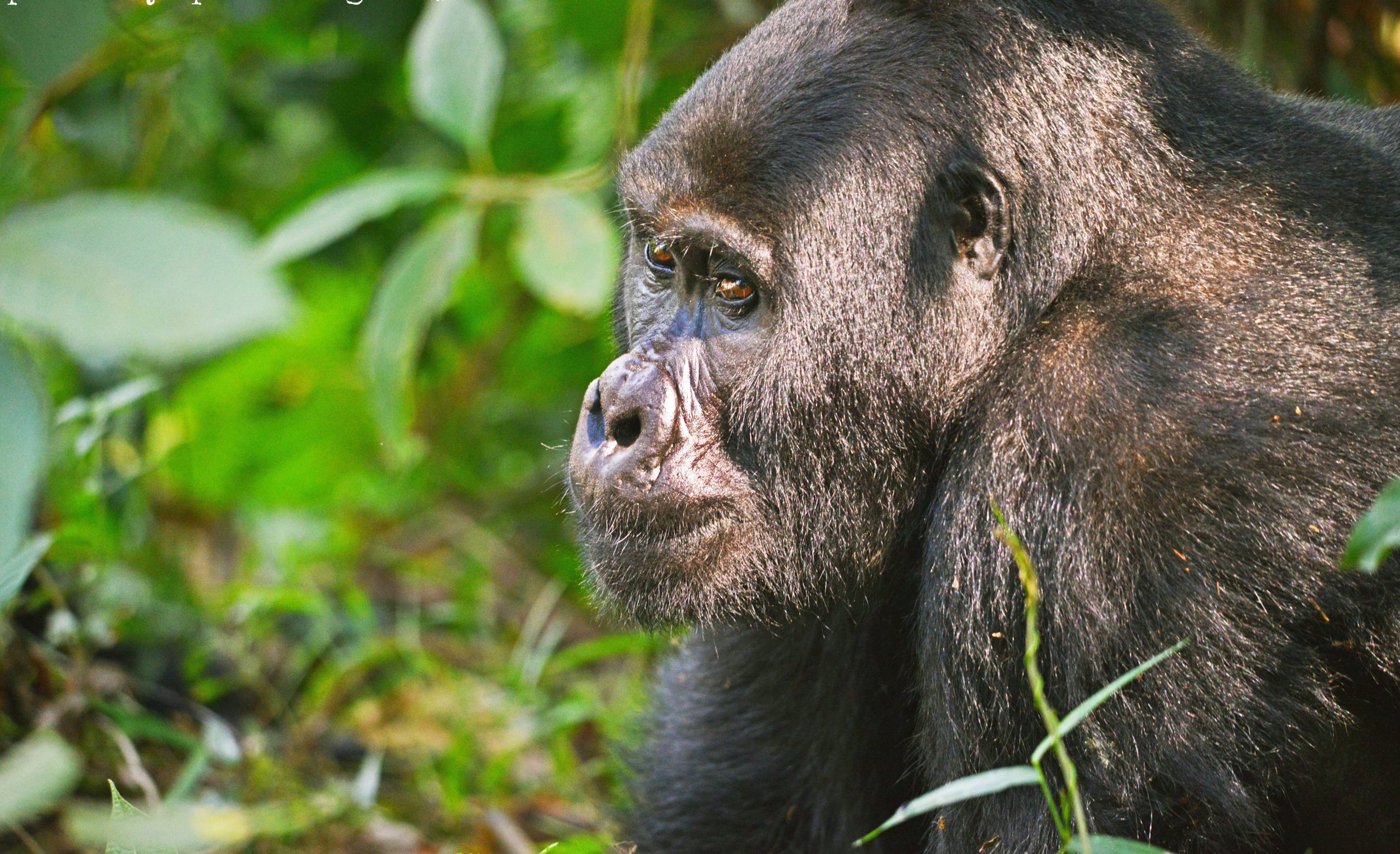
What is the best time to go Gorilla Trekking in Uganda
What is the best time to go Gorilla Trekking in Uganda
Best Time to Go Gorilla Trekking in Uganda (Season-by-Season Guide + Practical Tips)
The best time to go gorilla trekking in Uganda is typically during the drier months June to August and December to February when forest trails are less muddy, hiking is easier, and visibility tends to be better. That said, gorilla trekking is possible year-round, and the “best” time can change based on whether you prioritize weather, cost, permit availability, or photography conditions.
Why the Dry Seasons Are Usually Best (June–August, Dec–Feb)
During Uganda’s drier periods, trekking conditions in Bwindi Impenetrable National Park and Mgahinga Gorilla National Park are generally more comfortable:
- Less slippery terrain (reduced rainfall means fewer muddy, slick slopes)
- Easier hiking for a wider range of fitness levels
- More predictable travel on roads leading into trekking regions
- Better photography odds (less rain on lenses, fewer dark storm clouds)
Month-by-Month Breakdown (Quick Overview)
June to August (Peak Season)
- Best overall weather window for trekking
- High demand: permits and lodges book early
- Great time for travelers who want smoother hikes and classic safari planning
December to February (Another Prime Window)
- Often warm and relatively dry
- Excellent for combining gorilla trekking with other experiences (game drives, lakes, culture)
Is the Rainy Season Bad for Gorilla Trekking?
Uganda’s wetter seasons are usually March to May and September to November. Trekking still runs daily, and gorillas do not “migrate away.” In fact, rainy months can be rewarding if you’re comfortable with wetter trails.
Potential advantages of the rainy season:
- Lush, dramatic scenery (excellent for forest atmosphere photography)
- Fewer tourists (a bit more breathing room in planning)
- Sometimes better lodge deals (varies by property and season)
Trade-offs:
- Trails can be challenging due to mud and steep inclines
- Rain can affect comfort and photo clarity
Best Time for Gorilla Trekking Based on Your Priorities
If you want the easiest hike
Choose: June–August or Dec–Feb
If you want fewer crowds
Choose: March–May or Sept–Nov
If you want the best chance to get permits
- Plan 6–12 months ahead for peak months
- Shoulder seasons sometimes have more flexibility
Best Time to Visit Bwindi vs. Mgahinga (Does It Change?)
Both parks follow the same general seasonal patterns, but your experience can differ slightly:
- Bwindi Impenetrable National Park: more trekking sectors, more habituated families, more permit options overall
- Mgahinga Gorilla National Park: fewer permits daily, but a quieter feel and excellent scenery
In either park, the dry months remain the most popular.
Practical Tips for Choosing Your Dates
- Book permits early for June–August and December–February
- Pack for all seasons: even in “dry months,” rainforest weather can change quickly
- Consider adding an extra day in case you want a second trek or buffer for travel delays
- If you’re concerned about the hike difficulty, ask your operator to request an easier gorilla family assignment (when possible)
FAQ: Best Time for Gorilla Trekking in Uganda
1) What is the single best month for gorilla trekking in Uganda?
Often July or August for drier trails and stable travel conditions but it’s also the busiest period.
2) Can I see gorillas in Uganda during the rainy season?
Yes. Trekking operates year-round. The main difference is trail condition and comfort, not gorilla presence.
3) When are permits hardest to get?
Typically June–August and December–January due to high demand and holiday travel.
4) Is gorilla trekking cheaper in the low season?
Permits are usually fixed-price, but some lodges and packages may offer better value in wetter months.
5) How far in advance should I book?
For peak months, ideally 6–12 months ahead. For shoulder/low seasons, 2–6 months can sometimes work.