
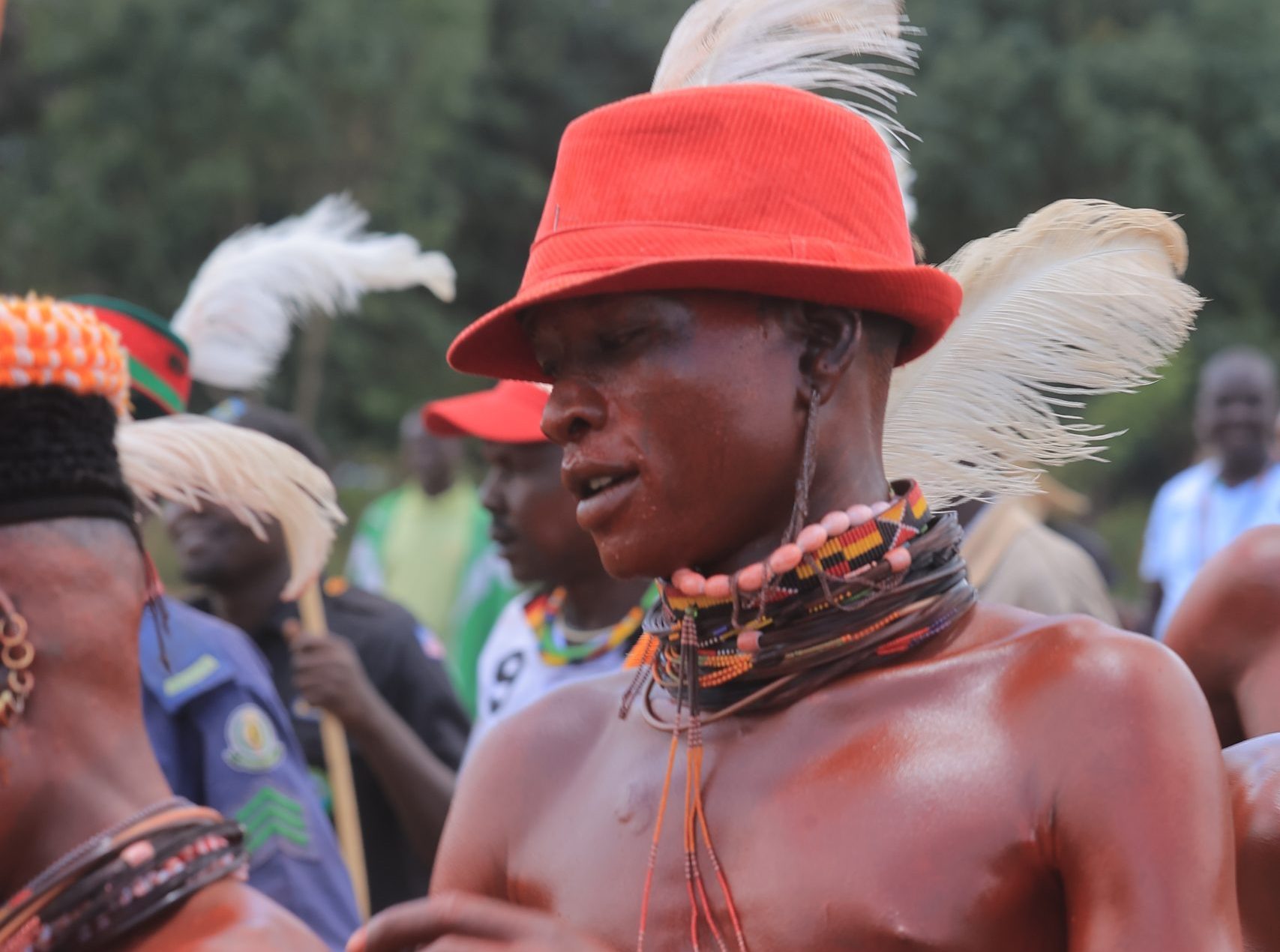
Kampala to Karamoja Safari
Kampala to Karamoja Safari
Kampala to Karamoja Safari: Discover Uganda’s Wild Northeast with Turkana Wildlife Safaris Uganda
A Kampala to Karamoja Safari is an extraordinary journey into one of Uganda’s most remote, culturally rich, and naturally beautiful regions. Unlike the more established safari circuits, Karamoja offers travelers a chance to experience vast semi-arid landscapes, rugged mountains, traditional communities, wildlife, and a remarkable sense of wilderness.
With Turkana Wildlife Safaris Uganda, travelers can combine wildlife viewing, cultural encounters, mountain adventures, and scenic road travel into one memorable Uganda safari experience. The journey from Kampala toward Karamoja can take roughly 10–12 hours by road depending on the route and final destination, making the drive itself part of the adventure.


Why Choose a Kampala to Karamoja Safari?
Karamoja is located in northeastern Uganda and offers a very different experience from the country’s tropical forests and western savannah parks. The region is characterized by open plains, dramatic mountains, traditional pastoral communities, and relatively remote wilderness.
A safari from Kampala to Karamoja is particularly suitable for travelers looking for:
- Authentic cultural experiences
- Remote and less-crowded destinations
- Wildlife viewing
- Mountain hiking and nature walks
- Photography and adventure
- Traditional Karamojong experiences
- Kidepo Valley National Park
- Pian Upe Wildlife Reserve
- Mount Moroto and surrounding landscapes
Turkana Wildlife Safaris highlights Karamoja for its cultural immersion, wilderness, adventure activities, wildlife, and community-based tourism opportunities.
Suggested Kampala to Karamoja Safari Itinerary
A longer itinerary allows travelers to experience both the journey and the major attractions without rushing. The following is a flexible example that can be customized according to your interests, budget, and available time.
Day 1: Kampala to Eastern Uganda
Your adventure begins in Kampala with an early morning departure. Traveling eastward, you gradually leave the busy capital behind and enter Uganda’s countryside.
The journey provides opportunities to observe rural communities, agricultural landscapes, towns, roadside markets, and changing scenery.
Depending on the itinerary, the overnight stop can be arranged in eastern Uganda, helping break up the long journey toward Karamoja.
Day 2: Continue to Karamoja – Moroto
After breakfast, continue toward the Karamoja region.
As you approach Karamoja, the landscape changes dramatically. Green agricultural areas gradually give way to open plains, rocky formations, dry savannah, and mountains.
Arrive in Moroto, one of the main towns in the region, and check into your accommodation.
The afternoon can be spent relaxing or taking a short town excursion.
Day 3: Mount Moroto and Cultural Experience
Mount Moroto is one of Karamoja’s defining landmarks. The mountain and surrounding areas provide opportunities for hiking, nature walks, photography, and cultural experiences.
A guided excursion can introduce visitors to local traditions and landscapes while providing panoramic views over the surrounding plains.
You can also visit a traditional Karamojong homestead, commonly known as a manyatta, where travelers can learn about pastoral lifestyles, traditional architecture, cattle keeping, music, dance, and community life.
Cultural visits should always be conducted respectfully and through appropriate local guides.
Day 4: Pian Upe Wildlife Reserve
Depending on your route, Pian Upe Wildlife Reserve can form an important part of a Kampala–Karamoja safari.
The reserve provides an opportunity to explore open landscapes and search for wildlife and birds. Turkana Wildlife Safaris lists species and attractions associated with Pian Upe including ostriches, roan antelopes and other wildlife.
A game drive can be followed by continued travel toward the northern Karamoja region.
Day 5: Travel Toward Kidepo Valley National Park
Continue toward Kidepo Valley National Park, one of Uganda’s most remote wilderness destinations.
The journey provides spectacular scenery as the road passes through expansive plains and mountainous terrain.
Depending on arrival time, you may enjoy an evening game drive or a sunset experience around your lodge or camp.
Day 6: Full-Day Kidepo Valley Safari
Spend a full day exploring Kidepo Valley National Park.
The park is renowned for its remote wilderness and diverse wildlife. Safari activities can include game drives through areas such as the Narus Valley and Kidepo Valley.
Possible wildlife sightings include:
- Lions
- Elephants
- Buffaloes
- Giraffes
- Zebras
- Cheetahs
- Antelopes
- Ostriches
- Numerous bird species
Kidepo is particularly attractive to photographers because of its dramatic landscapes, relatively remote setting, and distinctive wildlife viewing opportunities.
Day 7: Cultural Experience and Kanangorok Area
Depending on the final itinerary, the day can combine additional wildlife viewing with cultural exploration.
A visit toward the Kanangorok Hot Springs area can offer spectacular scenery and a sense of the remoteness that makes northern Karamoja so distinctive.
Travelers may also arrange cultural experiences involving communities in the wider Kidepo region.
Day 8: Return Journey
Begin the journey back toward Kampala, with stops arranged according to the preferred route.
For travelers with more time, the safari can be extended with additional nights in Karamoja or combined with destinations such as Sipi Falls or other eastern Uganda attractions.
Top Experiences on a Kampala to Karamoja Safari
1. Explore Mount Moroto
Mount Moroto provides an impressive backdrop to the Karamoja region. Hiking opportunities can be arranged for travelers who want an active component to their safari.
The experience combines mountain scenery, local guiding, nature, and spectacular views.
2. Meet the Karamojong Community
One of the biggest attractions of Karamoja is its living cultural heritage.
A responsible cultural visit can provide insights into:
- Traditional cattle keeping
- Manyatta life
- Local crafts
- Traditional music
- Dance
- Food
- Community traditions
- Pastoral lifestyles
This cultural component makes a Karamoja safari different from a conventional wildlife-only tour.
3. Experience Kidepo Valley National Park
Kidepo is one of the major highlights of northeastern Uganda.
Its remote valleys, mountains, open savannahs, and wildlife make it an excellent destination for travelers who want to explore a less conventional safari route. Turkana Wildlife Safaris describes Kidepo as a remote and pristine wilderness destination with abundant wildlife and birdlife.
4. Discover Pian Upe
Pian Upe offers a different landscape and can be incorporated into longer itineraries traveling between central/eastern Uganda and Karamoja.
It is especially appealing to travelers interested in wildlife, birds, open landscapes, and photography.
5. Enjoy Wildlife Photography
The combination of dramatic mountains, open plains, wildlife, traditional communities, and changing light makes Karamoja an excellent destination for photography.
Early mornings and late afternoons can be particularly rewarding for landscape and wildlife photography.
Getting from Kampala to Karamoja
The road journey is one of the defining features of this safari.
Turkana Wildlife Safaris indicates that road travel from Kampala to Karamoja can take approximately 10–12 hours, depending on the route, road conditions, and destination. Common approaches include traveling through Mbale toward Moroto or using routes through Soroti and onward into Karamoja.
Because some roads can be challenging, particularly during wet conditions, a suitable 4×4 safari vehicle is recommended.
For travelers with limited time, flying can reduce travel time, although flight availability and routing should be confirmed when planning the safari.
Best Time for a Kampala to Karamoja Safari
Karamoja has a semi-arid climate and experiences distinct seasonal variations.
The drier months are generally attractive for wildlife viewing and outdoor activities because roads and trails can be easier to navigate. The wetter period transforms the landscape, bringing greener vegetation and different photographic conditions.
Your ideal travel period ultimately depends on whether your priority is:
- Wildlife viewing
- Hiking
- Photography
- Cultural experiences
- Green landscapes
- Fewer visitors
Turkana Wildlife Safaris describes November to March as a favorable dry-season period while noting that the wetter months can offer greener scenery and fewer tourists.
Accommodation on the Safari
Accommodation can be selected according to your preferred travel style.
Options may include:
Budget Accommodation
Suitable for travelers who prioritize activities and exploration while keeping accommodation costs lower.
Mid-Range Lodges and Camps
A popular option for travelers looking for comfortable rooms, good meals, and convenient access to safari activities.
Luxury Accommodation
Travelers seeking a premium experience can choose high-end safari lodges where available, particularly around major wildlife destinations.
Turkana Wildlife Safaris can customize accommodation according to the traveler’s budget and preferred level of comfort.
What to Pack for a Karamoja Safari
A good packing list should include:
- Lightweight, breathable clothing
- Long-sleeved shirts and trousers
- Comfortable walking shoes
- Hat or cap
- Sunglasses
- Sunscreen
- Insect repellent
- Reusable water bottle
- Camera and spare batteries
- Binoculars
- Small day backpack
- Personal toiletries
- Light jacket for cool mornings and evenings
- Any required personal medication
Neutral-colored clothing is generally practical for wildlife viewing and photography.
Why Book with Turkana Wildlife Safaris Uganda?
Turkana Wildlife Safaris Uganda specializes in Uganda safari experiences and offers travelers the opportunity to explore destinations beyond the country’s most commonly visited circuits.
For a Kampala to Karamoja safari, a local operator can be particularly valuable because the itinerary may involve long road journeys, remote areas, cultural experiences, wildlife activities, and changing road conditions.
A customized safari can be designed around your interests, including:
- Wildlife safaris
- Cultural tours
- Mountain hiking
- Photography
- Kidepo Valley National Park
- Pian Upe Wildlife Reserve
- Mount Moroto
- Traditional Karamojong experiences
- Budget, mid-range, or luxury travel
Plan your Karamoja Safari with Turkana Wildlife Safaris
Frequently Asked Questions
1. How long does it take to travel from Kampala to Karamoja?
The road journey can take approximately 10–12 hours, depending on the route, road conditions, traffic, and your final destination within Karamoja.
2. Is Karamoja good for a safari?
Yes. Karamoja offers a combination of wildlife, dramatic landscapes, cultural experiences, hiking, photography, and remote wilderness.
3. What wildlife can I see in Karamoja?
Depending on the destination, particularly Kidepo Valley National Park, travelers may encounter lions, elephants, buffaloes, giraffes, zebras, cheetahs, antelopes, ostriches, and numerous bird species.
4. Can I visit Kidepo Valley National Park from Kampala?
Yes. Kidepo can be incorporated into a longer Kampala-to-Karamoja safari. Because of the distances involved, allowing several days makes the journey more enjoyable.
5. Can I visit a Karamojong village?
Yes. Cultural visits to traditional communities and manyattas can be incorporated into a safari itinerary, normally with local guides and appropriate community arrangements.
6. Can I hike Mount Moroto?
Yes. Guided hiking experiences can be arranged around Mount Moroto, depending on your fitness level, route, weather, and local conditions.
7. Is a 4×4 vehicle necessary?
A 4×4 safari vehicle is strongly recommended for a road safari into Karamoja, particularly when traveling on rough or challenging roads and during periods of wet weather.
8. What is the best time to visit Karamoja?
The drier season is generally favorable for wildlife viewing and outdoor activities, while the wetter months can provide greener scenery and fewer visitors. Your preferred activities should determine the best travel dates.
9. Can Turkana Wildlife Safaris customize the itinerary?
Yes. The safari can be adjusted according to the number of days available, accommodation preferences, budget, wildlife interests, cultural activities, and hiking requirements.
10. Is the Kampala to Karamoja Safari suitable for photographers?
Absolutely. The region combines wildlife, traditional culture, mountains, open savannahs, dramatic skies, and remote landscapes, creating excellent opportunities for both wildlife and documentary photography.
Conclusion
A Kampala to Karamoja Safari is more than a conventional wildlife holiday. It is a journey into one of Uganda’s most distinctive regions, where expansive savannahs meet rugged mountains and centuries-old pastoral traditions continue alongside modern conservation and tourism.
From Mount Moroto and Karamojong cultural experiences to the wildlife-rich plains of Kidepo Valley National Park and the landscapes of Pian Upe, this safari offers an exciting combination of adventure, culture, nature, and discovery.
For travelers seeking an authentic Uganda experience away from the busiest tourist routes, Karamoja is a destination worth exploring. With careful planning, a capable safari vehicle, knowledgeable guides, and a flexible itinerary, Turkana Wildlife Safaris Uganda can turn the journey from Kampala into an unforgettable northeastern Uganda adventure.