
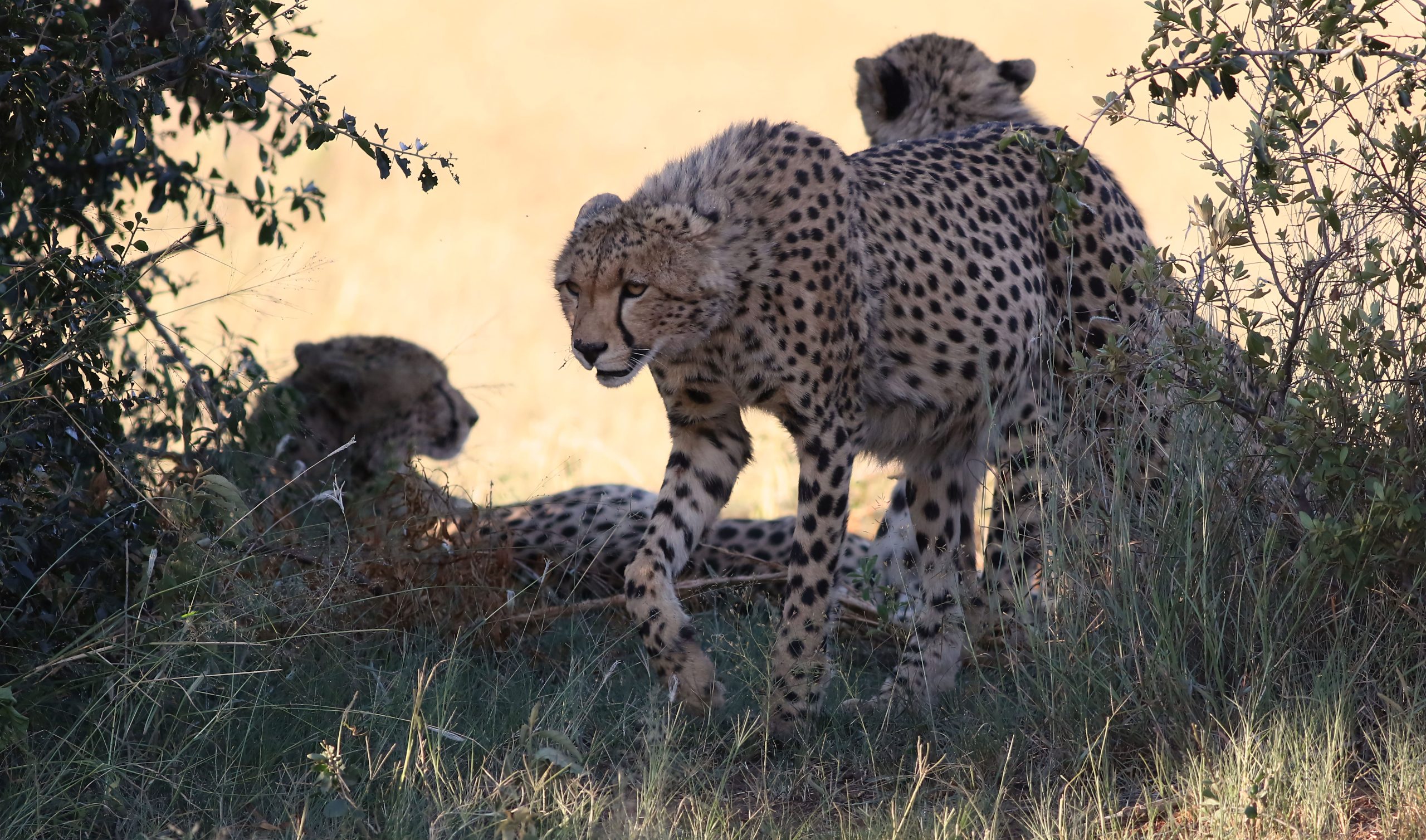
Uganda Cheetah Safari in Karamoja Region
Uganda Cheetah Safari in Karamoja Region
Uganda Cheetah Safari in the Karamoja Region: Discover the Fastest Land Animal in the Wild
Introduction
A Uganda Cheetah Safari in the Karamoja Region offers travelers the opportunity to explore one of Uganda’s most remote, dramatic, and rewarding wilderness landscapes. Located in northeastern Uganda, Karamoja is famous for its rugged mountains, vast savannah plains, traditional pastoral culture, and exceptional wildlife.
For travelers interested in seeing cheetahs in Uganda, the Kidepo Valley National Park landscape is particularly important. Uganda Wildlife Authority identifies Kidepo Valley National Park as a key location for Uganda’s cheetahs, while recent conservation monitoring has also documented cheetahs in Pian Upe Wildlife Reserve, another protected area associated with the wider northeastern Uganda landscape.
A cheetah safari here is very different from a conventional wildlife holiday. The landscape is wild, relatively remote, and less crowded than many of East Africa’s better-known safari destinations. With Turkana Wildlife Safaris Uganda, visitors can explore this extraordinary region while combining wildlife viewing with cultural experiences and scenic exploration.
Why Choose a Uganda Cheetah Safari in Karamoja?
Cheetahs are among Africa’s most fascinating predators. Famous for their incredible acceleration and speed, they are specially adapted for hunting across open grasslands and savannah.
Uganda Wildlife Authority describes the cheetah as the world’s fastest land animal, capable of reaching speeds of around 70 mph under suitable conditions. Its slender body, long legs, spotted coat, and distinctive black tear marks make it easily recognizable.
The Karamoja region provides a remarkable setting for observing these elusive cats because of its open landscapes and diverse prey species.
However, a cheetah safari should always be approached as a wildlife experience rather than a guaranteed cheetah-viewing tour. Cheetahs are naturally elusive, and sightings depend on season, location, animal movements, weather, and luck.
Kidepo Valley National Park: The Heart of Uganda’s Cheetah Country
For many travelers, Kidepo Valley National Park is the highlight of a Karamoja safari.
The park lies in northeastern Uganda near the borders with Kenya and South Sudan. Its dramatic scenery includes expansive savannah plains, rugged mountains, seasonal rivers, valleys, and open grasslands.
Cheetahs have historically been associated with Kidepo, particularly the Narus Valley. Uganda Wildlife Authority notes that cheetahs traditionally occur in the vicinity of Kidepo Valley National Park.
Recent conservation monitoring has also documented cheetah presence in Kidepo, including a coalition of two male cheetahs recorded repeatedly in the Narus Valley during a 2022 survey.
This makes Kidepo one of the most exciting destinations for travelers hoping to encounter Uganda’s elusive cheetahs.
What Makes Karamoja Special?
Karamoja is much more than a wildlife destination. It is a cultural and ecological landscape with a strong sense of identity.
The wider Kidepo landscape includes Kidepo Valley National Park, the Karenga Community Wildlife Area, and several forest reserves. The Ugandan Ministry of Tourism describes the landscape as ecologically important and rich in cultural heritage, including traditional Karamojong pastoral communities.
During your safari, you can experience:
- Vast savannah landscapes
- Rugged mountain scenery
- Cheetahs and other predators
- Lions and leopards
- Elephants and buffaloes
- Giraffes and zebras
- Antelopes and other plains game
- Beautiful sunrise and sunset photography
- Traditional Karamojong cultural experiences
- Remote wilderness away from busy tourist routes
The combination of wildlife and culture makes Karamoja one of Uganda’s most distinctive safari regions.
Wildlife to Expect on a Karamoja Cheetah Safari
Although the cheetah may be the primary target, the safari offers opportunities to see many other species.
Cheetahs
Cheetahs are the star attraction for many visitors. They are primarily daytime hunters and are particularly suited to open landscapes where they can use their speed to pursue prey.
Their characteristic black facial tear marks help distinguish them from leopards and other spotted cats.
Lions
Kidepo is also known for its lions. Seeing a pride resting beneath a tree or moving across the savannah can be one of the most memorable experiences of a Karamoja safari.
Leopards
Leopards are more secretive and can be difficult to find, but patient game drives may reveal one resting in a tree, moving through vegetation, or stalking prey.
Elephants
Large herds of elephants can sometimes be encountered moving across the park’s open plains and valleys.
Buffaloes
Cape buffaloes are among the large herbivores that contribute to the impressive wildlife diversity of the region.
Giraffes
The open savannah and woodland habitats provide opportunities to encounter giraffes feeding on leaves and moving across the plains.
Zebras and Antelopes
The plains support a variety of grazing and browsing species. These animals are particularly important because they form part of the prey base supporting predators such as cheetahs and lions.
The Best Way to Search for Cheetahs
Finding a cheetah requires patience.
Unlike some wildlife species that can be found in predictable locations, cheetahs can cover significant distances while searching for prey. They may also rest in grass or under vegetation, making them difficult to spot.
An experienced safari guide is therefore extremely valuable.
During a Turkana Wildlife Safaris Uganda expedition, the guide can help identify promising areas based on recent wildlife activity, tracks, prey concentrations, habitat, and local knowledge.
Early morning and late afternoon game drives are especially rewarding for general wildlife viewing because temperatures are usually more comfortable and many animals are active.
A Sample Uganda Cheetah Safari Itinerary
The exact itinerary can be customized according to your interests, travel time, accommodation preferences, and budget.
Day 1: Kampala or Entebbe to Northern Uganda
Begin your journey from Kampala or Entebbe and travel toward northeastern Uganda.
The journey provides an opportunity to watch the landscape gradually change from central Uganda’s greener environments to the drier and more open scenery of the northeast.
Overnight at a suitable lodge or hotel.
Day 2: Continue Toward the Karamoja Region
Continue toward Karamoja, enjoying scenic landscapes along the way.
As you approach the region, the terrain becomes increasingly rugged and the scenery dramatically changes.
Overnight in the Karamoja region.
Day 3: Enter Kidepo Valley National Park
Proceed toward Kidepo Valley National Park.
After entering the park, begin your first wildlife exploration.
Keep an eye out for elephants, giraffes, zebras, antelopes, buffaloes, lions, and other wildlife.
Overnight near the park.
Day 4: Full-Day Cheetah and Wildlife Safari
Dedicate the day to wildlife viewing.
Explore areas such as the Narus Valley, where cheetahs have been documented.
Your guide will search for suitable wildlife habitats and recent animal activity while maintaining appropriate wildlife-viewing practices.
Overnight near Kidepo.
Day 5: Wildlife and Photography Experience
Enjoy another game drive through the park.
This day can be particularly valuable for photographers because it allows additional time to search for elusive species.
Sunrise and sunset provide excellent opportunities for landscape and wildlife photography.
Day 6: Cultural Experience in Karamoja
Spend part of the day experiencing local Karamojong culture, depending on the community activities and arrangements available.
Learn about traditional pastoral life, local customs, crafts, music, dancing, and the relationship between communities and their environment.
Day 7: Final Game Drive and Departure
Enjoy a final wildlife drive before beginning the journey back toward Kampala or another agreed destination.
The itinerary can be shortened or extended depending on the traveler’s schedule.
Best Time for a Cheetah Safari in Karamoja
Karamoja has a relatively dry climate, but conditions vary throughout the year.
The drier months can be particularly attractive for wildlife viewing because vegetation may be less dense and animals can be easier to locate around water sources.
However, each season has its advantages.
During wetter periods, the landscape can become greener and more photogenic, while young animals and migratory movements may provide additional wildlife interest.
Because wildlife movements are unpredictable, there is no single month that can guarantee a cheetah sighting.
Cheetah Photography in Karamoja
A Uganda cheetah safari is also an excellent opportunity for wildlife photographers.
Cheetahs are particularly photogenic because of their distinctive appearance and behavior.
Useful photography equipment includes:
- A camera with a telephoto lens
- Extra batteries
- Extra memory cards
- Binoculars
- Lens-cleaning equipment
- Beanbag or other vehicle-based support
- Camera protection against dust
- Neutral-colored clothing
Photographers should always prioritize animal welfare over obtaining a photograph.
Do not ask the driver to chase a cheetah, block its movement, or approach wildlife too closely.
The best wildlife photographs are often created when animals are allowed to behave naturally.
Responsible Tourism and Cheetah Conservation
Cheetahs face significant conservation challenges across Africa, including habitat loss, declining prey populations, human-wildlife conflict, and other pressures.
Responsible tourism can contribute to conservation by creating economic value for protected landscapes and surrounding communities.
Uganda’s large-carnivore conservation planning has documented cheetah populations in Kidepo Valley National Park and Pian Upe Wildlife Reserve, highlighting the importance of northeastern Uganda for the species.
Visitors can contribute by:
- Following park regulations
- Maintaining appropriate distances from wildlife
- Avoiding litter
- Supporting responsible local tourism businesses
- Respecting local communities
- Avoiding disturbance of animals
- Following the instructions of professional guides
Why Travel With Turkana Wildlife Safaris Uganda?
Turkana Wildlife Safaris Uganda can help travelers organize customized wildlife adventures across Uganda, including remote destinations such as the Karamoja region.
A professionally organized safari can make the journey easier by coordinating:
- Transportation
- Accommodation
- Safari guides
- Park activities
- Wildlife-viewing schedules
- Cultural experiences
- Route planning
- Meals where applicable
- Customized safari programs
For travelers specifically interested in cheetahs, the safari can be designed around maximizing time in suitable habitats while still enjoying the wider wildlife and cultural attractions of Karamoja.
Because cheetah sightings cannot be guaranteed, a good itinerary should focus on the complete wilderness experience, rather than a single species.
What to Pack for a Uganda Cheetah Safari
Karamoja can be hot, dusty, and remote, so preparation is important.
Consider packing:
- Lightweight clothing
- Comfortable hiking shoes
- Hat
- Sunglasses
- Sunscreen
- Insect repellent
- Binoculars
- Camera and telephoto lens
- Extra batteries
- Power bank
- Reusable water bottle
- Personal toiletries
- Light jacket for cool mornings and evenings
- Dust protection for cameras and electronics
- Small daypack
Visitors should also carry any personal medications and travel documents required for the journey.
Who Is This Safari Suitable For?
A Uganda Cheetah Safari in Karamoja is ideal for:
Wildlife Enthusiasts
Travelers fascinated by African predators will enjoy searching for cheetahs, lions, and leopards.
Photographers
The open landscapes, dramatic mountains, wildlife, and distinctive light make Karamoja excellent for photography.
Adventure Travelers
Those who prefer remote destinations and less conventional safari routes will find Karamoja especially rewarding.
Cultural Travelers
Visitors interested in Ugandan cultures can combine wildlife viewing with carefully arranged community experiences.
Repeat Africa Travelers
Travelers who have already visited destinations such as the Serengeti or Masai Mara may enjoy experiencing a quieter and less conventional East African wilderness.
Frequently Asked Questions About Uganda Cheetah Safaris in Karamoja
1. Are there cheetahs in Uganda?
Yes. Cheetahs occur in Uganda, with Kidepo Valley National Park being one of the country’s key areas for the species. Recent conservation monitoring has also documented cheetahs in Pian Upe Wildlife Reserve.
2. Where can I see cheetahs in Uganda?
Kidepo Valley National Park in northeastern Uganda is the best-known destination associated with wild cheetahs in Uganda. The wider Karamoja landscape is therefore an important region for travelers interested in cheetah conservation and wildlife.
3. Can I be guaranteed to see a cheetah?
No. Cheetahs are wild animals and sightings cannot be guaranteed. A skilled guide can improve your chances by searching suitable habitats and following recent wildlife activity, but nature always retains the final say.
4. What other animals can I see?
Depending on the area and season, you may encounter lions, leopards, elephants, buffaloes, giraffes, zebras, antelopes, and numerous bird species.
5. Is Kidepo Valley National Park part of Karamoja?
Yes. Kidepo Valley National Park is located in the Karamoja sub-region of northeastern Uganda and forms an important part of the wider Kidepo landscape.
6. How long should a cheetah safari take?
A minimum of about 5–7 days is useful when traveling from Kampala because of the considerable distance to northeastern Uganda. Longer trips provide more time for wildlife viewing and cultural experiences.
7. Can I combine a cheetah safari with other Ugandan parks?
Yes. Depending on your available time, a Karamoja safari can be combined with other Ugandan wildlife destinations to create a longer Uganda safari itinerary.
8. Is Karamoja suitable for photography?
Absolutely. The region offers dramatic landscapes, wildlife, traditional cultural scenes, mountains, golden savannahs, and beautiful sunrise and sunset conditions.
9. Can I include a cultural experience?
Yes. Cultural activities can be incorporated into a safari itinerary where appropriate, allowing visitors to learn about Karamojong traditions and pastoral lifestyles while respecting local customs.
10. How can I book a Uganda Cheetah Safari?
Travelers can contact Turkana Wildlife Safaris Uganda to discuss their preferred travel dates, number of travelers, safari duration, accommodation level, and desired wildlife and cultural experiences. The itinerary can then be tailored to the traveler’s interests.
Conclusion
A Uganda Cheetah Safari in the Karamoja Region is an extraordinary adventure for anyone looking beyond the traditional safari routes. From the rugged landscapes of northeastern Uganda to the open plains of Kidepo Valley National Park, the region provides an unforgettable combination of wildlife, scenery, culture, and wilderness.
The possibility of encountering a wild cheetah adds an exciting element to the experience, but the true value of the journey goes far beyond one animal. Lions crossing the plains, elephants moving through the valleys, giraffes silhouetted against distant mountains, colorful sunsets, and encounters with local communities all contribute to the adventure.
For travelers seeking an authentic northeastern Uganda experience, Turkana Wildlife Safaris Uganda can help create a customized itinerary focused on wildlife, photography, culture, adventure, or a combination of all four.
Come to Karamoja not simply to search for a cheetah, but to experience one of Uganda’s most remarkable and least conventional wilderness destinations.