
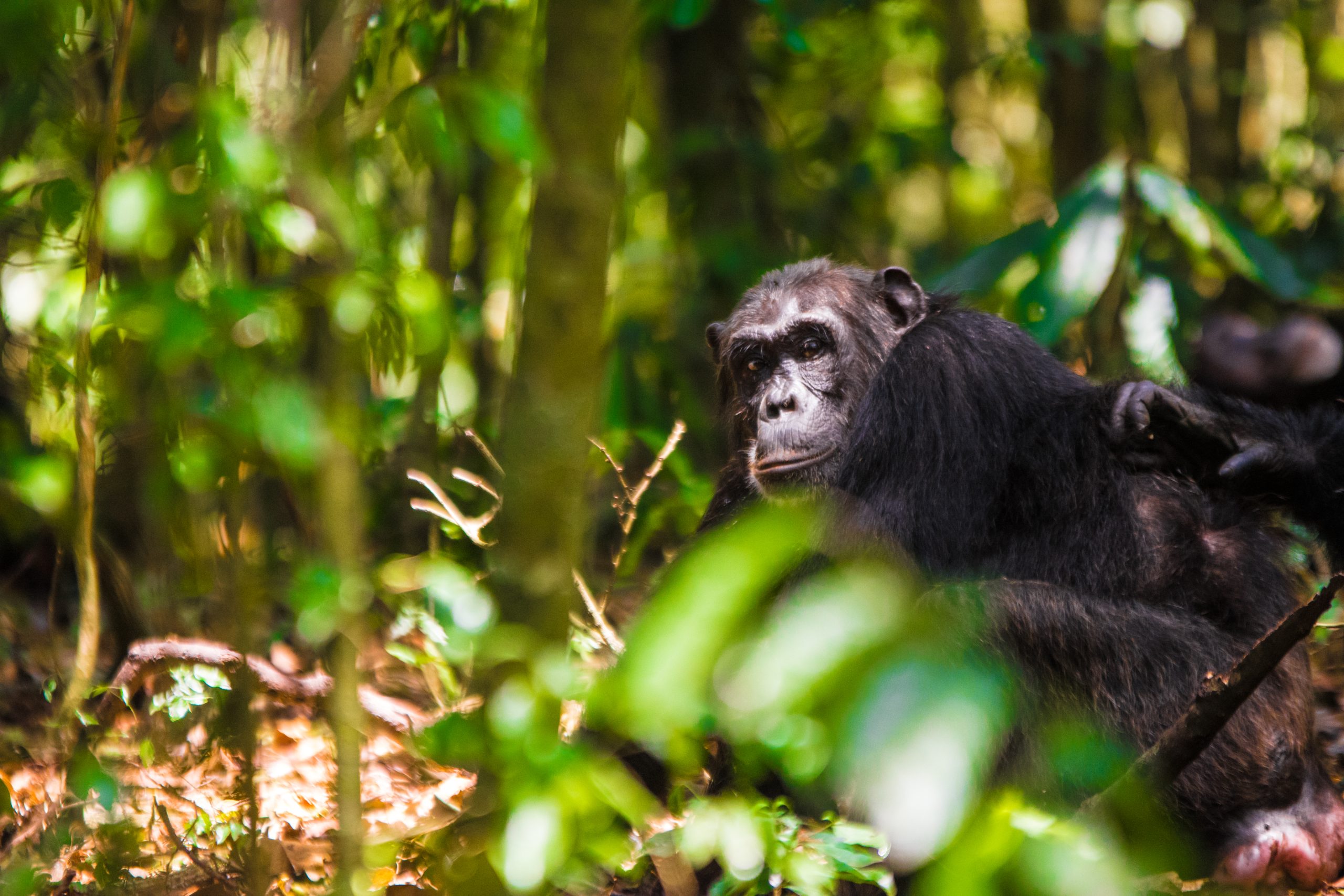
Kibale Forest Chimpanzee Tracking Experience
Kibale Forest Chimpanzee Tracking Experience
Kibale Forest Chimpanzee Tracking Experience: A Complete Guide to Uganda’s Primate Encounter
Kibale Forest National Park is widely regarded as the primate capital of East Africa and for good reason. Its dense, emerald canopy shelters one of the highest concentrations of primates on the continent, including a thriving population of habituated chimpanzees. A Kibale chimpanzee tracking experience is not simply a “wildlife activity”; it is an immersive forest expedition part natural history lesson, part adrenaline-charged search, and part quiet reverence for one of humanity’s closest relatives.
This guide covers what to expect, how to plan, the best time to go, what to pack, etiquette in the forest, and how to elevate your trip into a broader Uganda safari itinerary.
Why Kibale Forest Is the Ultimate Chimpanzee Tracking Destination
Kibale Forest National Park sits in western Uganda, a biodiverse corridor that transitions between lowland rainforest and montane ecosystems. This variety of habitat supports abundant fruiting trees exactly what chimpanzees and other primates depend on.
What makes Kibale exceptional
- High chimpanzee density: your probability of encountering chimps is among the best in Africa.
- Professional tracking system: trained rangers and guides follow chimp movement patterns daily.
- Primate diversity: you can see multiple monkey species in a single walk.
- Forest immersion: Kibale feels like a true rainforest humid, alive, and layered with sound.
If you’re planning a broader Uganda adventure, explore safari planning ideas here:
- Turkana Wildlife Safaris – Uganda Safaris (browse Uganda options and itinerary inspiration)
Understanding Chimpanzee Tracking vs Habituation
Many travelers hear “chimp tracking” and “chimp habituation” and assume they’re the same. They are not and choosing the right one matters for your experience.
Chimpanzee tracking (most common)
- Shorter time in the forest
- Typically 2–4 hours total, depending on how quickly you locate the group
- 1 hour allowed with the chimpanzees once found (standard rule)
Chimpanzee habituation experience
- Longer, more immersive outing
- Often up to 4 hours with chimps (rules vary by permit type)
- More behavioral observation: feeding, grooming, social dynamics, resting cycles
Not sure which suits your style? If you want a classic highlight reel moment tracking is perfect. If you’re a photographer, behavior enthusiast, or primate nerd habituation is often worth it.
What the Kibale Chimpanzee Tracking Experience Feels Like
Kibale tracking isn’t a staged nature walk; it’s a living search. No two days are identical because chimpanzees roam according to fruit availability, social dynamics, and weather.
1) Briefing: rules, safety, and expectations
Your day starts at the park briefing point. Rangers explain:
- Group size
- Forest etiquette
- Keeping distance (often 7 meters where feasible)
- No flash photography
- What to do if chimps move close (stay calm, listen to your guide)
2) The forest walk: listening is part of the “tracking”
The tracking is as much auditory as it is visual. Guides listen for:
- Pant-hoots and calls
- Branch shaking
- Falling fruit
- Alarm calls from other primates
3) The moment of encounter: electric and intimate
When you finally see them sometimes high in the canopy, sometimes surprisingly close the forest changes. Time compresses. You notice:
- Hand-like feet gripping vines
- Mothers managing infants with effortless strength
- Dominance gestures, grooming rituals, play, and sudden bursts of movement
4) The one-hour viewing window: make it count
That hour passes quickly. A good strategy:
- Spend the first 10 minutes observing quietly
- Then take photos (no flash)
- Then watch behavior again rather than photographing nonstop
Best Time for Chimpanzee Tracking in Kibale
Kibale can be visited year-round, but conditions shift by season.
Dry seasons (often easier walking)
- Generally: June–August and December–February
- Pros: trails less muddy, photography easier
- Cons: can be busier
Wet seasons (lush forest, fewer crowds)
- Generally: March–May and September–November
- Pros: forest looks spectacular; fewer visitors
- Cons: muddy trails; occasional rain during tracking
Chimp sightings remain strong across seasons, but the ease of tracking and comfort differ.
What to Pack: Practical Gear That Actually Helps
Kibale is humid, and the forest can be muddy and thorny. Packing right makes the difference between “epic adventure” and “why did I do this in sneakers?”
Essentials
- Waterproof hiking boots with solid grip
- Long trousers (protect against nettles and insects)
- Long-sleeved shirt (light, breathable)
- Rain jacket/poncho
- Gardening gloves (optional but helpful for gripping vegetation)
- Insect repellent
- Hat (for sun at edges of forest)
Photography tips
- Use a fast shutter (chimps move suddenly)
- Consider a telephoto lens (70–200mm is versatile)
- Bring a dry bag or rain cover for gear
Fitness Level and Trail Conditions: What You Should Expect
Chimp tracking is moderately demanding. You might walk on:
- Narrow trails
- Steep, slippery sections
- Dense undergrowth
- Uneven forest floor with roots and leaf litter
That said, the pace is manageable, and guides are skilled at adapting the walk to the group. If you have knee issues, trekking poles can help.
Rules and Etiquette: How to Be a Responsible Visitor
Chimpanzees are highly intelligent and susceptible to human illness. Responsible tourism protects them and preserves the experience.
Key guidelines
- Maintain recommended distance (commonly ~7 meters)
- Do not track if you’re sick (even a cold matters)
- No flash photography
- Keep voices low
- Do not eat near chimps
- Never attempt to touch wildlife
Following these rules isn’t just “park policy” it’s conservation in action.
Beyond Chimpanzees: Other Wildlife You Might See
Kibale is primate-rich. During your walk, look for:
- Red colobus monkeys
- L’Hoest’s monkeys
- Grey-cheeked mangabeys
- Black-and-white colobus
- Colorful forest birds (turacos, hornbills)
Your guide will often interpret the forest like a living encyclopedia animal calls, tracks, medicinal plants, and ecological relationships.
How to Build the Perfect Uganda Safari Around Kibale
Kibale fits beautifully into classic western Uganda routes, often paired with:
- Queen Elizabeth National Park (savannah game drives + Kazinga Channel boat cruise)
- Bwindi Impenetrable National Park (gorilla trekking)
- Lake Bunyonyi (rest, scenery, canoeing)
For itinerary inspiration and safari planning, you can explore Turkana Wildlife Safaris’ offerings and planning ideas here:
If you’re comparing options across East Africa, their wider safari portfolio can also help you benchmark experiences and logistics:
Where to Stay Near Kibale: Choosing the Right Base
Kibale has a range of lodges from comfortable midrange to higher-end eco-stays. Your ideal base depends on:
- proximity to the briefing point
- budget
- whether you want crater-lake views or forest-edge immersion
A good lodge choice typically offers
- early breakfast (tracking starts early)
- packed lunch options for day activities
- knowledgeable staff used to primate travelers
Common Mistakes to Avoid (So Your Trek Is Better)
- Wearing shorts: you’ll regret nettles and scratches.
- Forgetting rain protection: Kibale can rain without warning.
- Over-focusing on photos: behavior observation is the real treasure.
- Underestimating mud: boots matter more than you think.
- Skipping the briefing rules: distance and silence improve sightings.
Frequently Asked Questions (FAQ)
1) How long does Kibale chimpanzee tracking take?
Most treks take 2–4 hours, including the walk to find chimpanzees and the return. Once you find the chimps, you typically get one hour with them.
2) Are chimpanzees guaranteed to be seen?
Wildlife is never 100% guaranteed, but Kibale has one of the highest encounter rates in Africa due to experienced trackers and strong chimp populations.
3) Is chimp tracking safe?
Yes, when you follow ranger instructions. Guides are trained in chimp behavior and visitor safety, and park rules are designed to reduce risk for both humans and chimpanzees.
4) What should I wear for the trek?
Wear long trousers, a long-sleeved top, sturdy hiking boots, and bring a rain jacket. Gloves are optional but useful.
5) Can I combine Kibale with gorilla trekking?
Absolutely. Many travelers pair Kibale with Bwindi for gorilla trekking and add Queen Elizabeth National Park in between for classic game viewing.
Final Thoughts: Why This Experience Stays With You
Kibale chimpanzee tracking is one of those rare wildlife encounters that feels both thrilling and deeply human. Chimps don’t “perform” they live, negotiate, play, argue, and rest in a way that feels uncomfortably familiar. You leave the forest muddy, maybe damp, often tired yet strangely energized, because you’ve spent an hour inside a world that mirrors our own in ways that books and documentaries never fully capture.
If you’d like, tell me your travel month, number of days, and starting point (Entebbe/Kampala/Kigali), and I’ll suggest a well-paced Kibale centered itinerary and where to place Queen Elizabeth and Bwindi for the smoothest route while keeping the trip realistic for roads and driving times.