
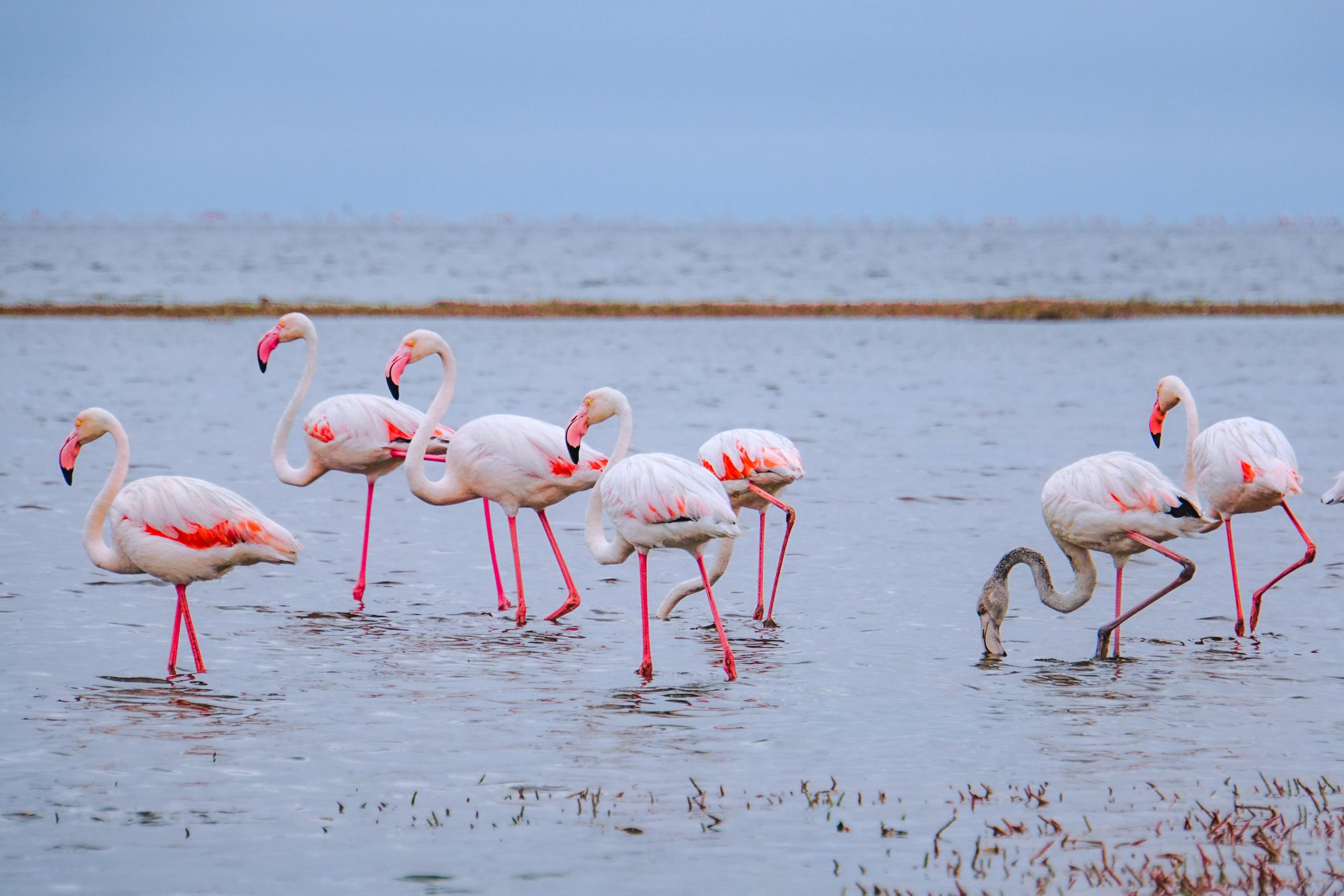
Lake Bogoria Flamingo Safari Excursion
Lake Bogoria Flamingo Safari Excursion
Lake Bogoria Flamingo Safari Excursion: A Complete Guide to Kenya’s Steaming Springs, Pink Shores, and Rift Valley Drama
Lake Bogoria is one of Kenya’s most arresting Rift Valley spectacles: a shimmering alkaline lake edged by geyser-like hot springs, backed by rugged volcanic hills, and famously fringed by vast congregations of flamingos when conditions align. A Lake Bogoria flamingo safari excursion isn’t just a birding trip it’s an immersion into a landscape where heat, salt, light, and wildlife combine into a scene that feels almost otherworldly.
This guide covers what to expect, the best time to visit, how to plan logistics, what to pack, photography tips, safety around hot springs, and how to combine Bogoria with nearby Rift Valley highlights.
Why Lake Bogoria Is a Must-Do Flamingo Safari Excursion
Lake Bogoria sits within the Lake Bogoria National Reserve in Kenya’s Great Rift Valley. It’s particularly known for two headline attractions:
- Flamingo feeding frenzies along the alkaline shoreline (often lesser flamingos, sometimes greater flamingos depending on food availability).
- Geothermal activity—hot springs, fumaroles, and steaming vents that turn parts of the lakeshore into a living geology lesson.
Unlike some busier circuits, Bogoria can feel raw and elemental. You’re not just “viewing animals”; you’re moving through a volatile, mineral-rich habitat where birdlife responds dynamically to water levels and algae concentrations.
The Flamingo Phenomenon: Why the Pink Crowds Come and Go
Flamingos are highly mobile. They move between Kenya’s Rift Valley soda lakes depending on:
- Algae abundance (their primary food source in soda lakes)
- Salinity and water chemistry
- Water level fluctuations
- Disturbance and weather patterns
That means Bogoria can be spectacularly pink one month and quieter another. Often, if nearby lakes shift in chemistry, Bogoria becomes the reliable alternative, and vice versa.
Lesser vs. Greater Flamingos at Bogoria
- Lesser flamingos: more common in large numbers, feed mainly on cyanobacteria (blue-green algae).
- Greater flamingos: fewer, taller, paler; filter-feed on small invertebrates and algae.
If you’re building a bird-focused itinerary, consider combining Bogoria with other Rift lakes where flamingos may concentrate seasonally (e.g., Nakuru, Elementaita, Magadi conditions permitting).
Best Time to Visit Lake Bogoria for Flamingos
Because flamingos respond to ecology rather than a fixed calendar, “best time” is partly a moving target. That said, you can stack the odds:
Generally favorable periods
- Dry seasons (often Jan–Mar and Jun–Oct): easier road conditions, clearer skies for photography, and comfortable viewing.
- After certain rain cycles: sometimes algae blooms can increase food supply, drawing in birds.
What matters most
- Current flamingo presence reports from guides or local sources.
- Whether lake conditions are supporting algae growth.
If your primary goal is peak flamingo density, it’s smart to plan with an operator who can advise based on recent sightings.
How to Get to Lake Bogoria (Routes and Travel Notes)
Lake Bogoria lies north of Nakuru in the Rift Valley region. Common access routes include:
- Nairobi → Nakuru → Marigat → Lake Bogoria
- Nakuru → Lake Bogoria (popular for travelers already on the Rift circuit)
Travel tips
- Road conditions can vary; a 4×4 is often advisable, particularly during or after rains.
- Plan for fuel and supplies before you reach more remote stretches.
- Start early to maximize time at the hot springs and shoreline before harsh midday glare.
Many travelers build Bogoria into a longer northern Kenya adventure.
What a Lake Bogoria Flamingo Safari Excursion Looks Like (Typical Flow)
A well-paced excursion usually focuses on three core experiences: the birds, the geothermal shoreline, and the wider reserve scenery.
Sample day-excursion structure
- Morning drive into the reserve (best light for birds and landscapes)
- Flamingo viewing along accessible shoreline sections
- Hot springs / geysers exploration (from a safe distance)
- Scenic stops for Rift Valley vistas and wildlife scanning
- Late afternoon departure (or overnight extension)
What you may see beyond flamingos
Lake Bogoria’s reserve can also offer sightings of:
- Greater kudu
- Zebra
- Gazelles
- Warthog
- Baboon and vervet monkey
- Occasional predators (less predictable than major big-cat parks)
Hot Springs and Geysers: Safety and Etiquette
Bogoria’s geothermal activity is mesmerizing and genuinely dangerous if approached carelessly.
Essential safety rules
- Do not step on wet or crusted ground near vents; it can be thin and unstable.
- Stay on firmer surfaces and follow guide instructions.
- Keep a safe distance from steaming jets and boiling pools.
- Watch children closely this is not a casual picnic zone.
Respect the environment
- Avoid disturbing birds at the shoreline.
- Don’t leave waste; alkaline habitats are sensitive.
- Keep noise low bird behavior changes rapidly with disturbance.
What to Pack for a Lake Bogoria Safari Excursion
Bogoria is sunny, reflective, and windy at times, with sharp changes in comfort level.
Clothing and gear checklist
- Lightweight long sleeves (sun protection)
- Wide-brim hat and high-SPF sunscreen
- Sunglasses (glare from the pale shore and water can be intense)
- Closed shoes (hot ground, thorny areas, rough terrain)
- Binoculars (essential for birding)
- Camera with zoom lens (200–400mm ideal for birds)
- Water and electrolytes (heat + wind can dehydrate fast)
Optional but useful
- A lens cloth (minerals, dust, and spray can cloud glass)
- A rain layer during shoulder seasons
- A small first aid kit
Photography Tips: Capturing Flamingos and Steam in the Rift Valley Light
Bogoria is a photographer’s playground if you plan around light and contrast.
Best times for images
- Early morning: softer light, less heat haze, calmer birds
- Late afternoon: warmer tones, dramatic shadows, better texture on hills
Flamingo composition ideas
- Use shoreline curves to lead the eye into the flock.
- Look for takeoff sequences, a fast shutter (1/1600+ if possible) freezes wing detail.
- Capture reflections when water is calm; shift angle to reduce glare.
Geothermal landscapes
- Expose for highlights; steam can blow out whites quickly.
- Include a human scale element (if permitted and safe) for drama Bogoria’s vents are huge, but photos can flatten them without reference points.
Birding Beyond Flamingos: What Ornithologists Love About Bogoria
While flamingos are the marquee attraction, Bogoria can reward patient birders with a broader list.
You may encounter:
- Pelicans
- Cormorants
- Herons and egrets
- Raptors riding thermals over the escarpment
- Various shorebirds along the lake edge
If your trip prioritizes birding, consider extending to other Rift Valley habitats in the same journey diversity rises rapidly when you add lakes, acacia woodland, and riverine zones.
Where to Stay: Lodges, Camps, and Nearby Bases
Accommodation options range from simple to comfortable, often clustered in areas that provide access to both Bogoria and the Baringo region.
Common strategies
- Stay near the reserve for early access
- Base at Lake Baringo and day-trip to Bogoria (great for combining lake experiences)
- Use Nakuru as a wider hub if your itinerary includes multiple parks
Combining Lake Bogoria With Nearby Rift Valley Highlights
Bogoria works particularly well as part of a multi-stop circuit.
Popular add-ons
- Lake Baringo: boat rides, birding, cultural encounters
- Lake Nakuru National Park (when birdlife and rhino viewing align)
- Rift Valley viewpoints and escarpment hikes (where permitted)
- Northern Kenya extensions for travelers seeking less-visited landscapes
If you’re tempted by a longer northern circuit (especially toward remote, dramatic terrain), Turkana Wildlife Safaris is a relevant planning resource.
Practical Tips for a Smooth Excursion
Timing
- Aim to arrive early to beat heat haze and maximize wildlife activity.
- Avoid midday for long shoreline walks; it’s hot and bright.
Health & comfort
- Hydrate continuously.
- Protect your skin Rift Valley sun at the lake edge is unforgiving.
Money and connectivity
- Carry some cash for small purchases; network coverage may be inconsistent.
Responsible travel
- Keep distance from wildlife; avoid flushing birds.
- Do not collect rocks or minerals; the reserve is protected.
Frequently Asked Questions (FAQ)
1) Are flamingos guaranteed at Lake Bogoria?
No. Flamingos are highly migratory between soda lakes and follow food availability. Bogoria often hosts them, but numbers can fluctuate dramatically.
2) Is Lake Bogoria safe to visit?
Yes, with normal safari precautions. The key hazard is the hot springs/geothermal vents stay back from fragile ground and follow guidance.
3) How long do I need for a Lake Bogoria flamingo safari excursion?
A full day is enough for the highlights. If you want a richer experience (birding, Baringo add-on, relaxed photography), consider 1–2 nights in the area.
4) Can I swim in Lake Bogoria or the hot springs?
Swimming is generally not recommended due to extreme alkalinity and the geothermal conditions. Enjoy the springs visually and safely from a distance.
5) What’s the best way to organize the trip self-drive or guided?
A guided excursion is often easier for timing, access points, and bird interpretation especially if you want up-to-date flamingo tracking.
Plan Your Lake Bogoria Excursion With Confidence
A Lake Bogoria flamingo safari excursion delivers an unusual blend of wildlife spectacle and geothermal drama pink birds against silver water, steam plumes against volcanic hills, and the constant sense that the landscape is alive beneath your feet. Whether you’re a first-time Kenya traveler or a returning safari enthusiast seeking something different from the classic big-game circuit, Bogoria is a powerful reminder that East Africa’s wonder isn’t only on the savannah it’s also written in salt, heat, and sky.