
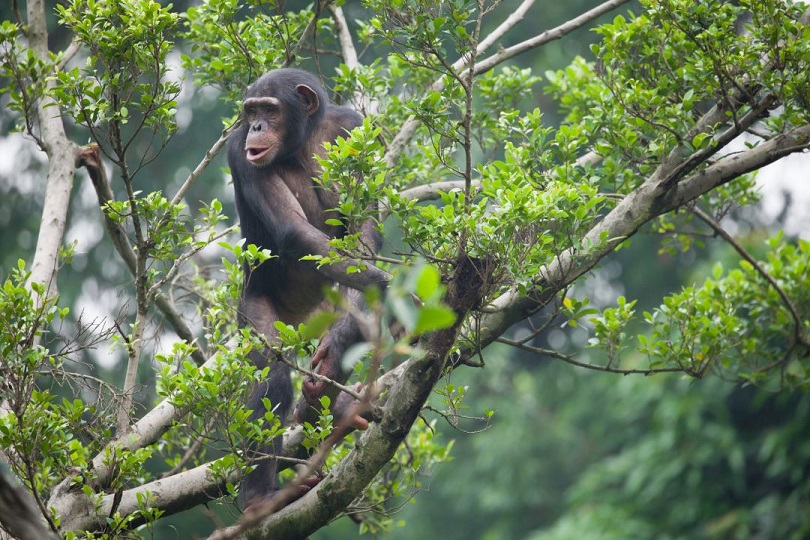
Kibale Safari
Kibale Safari
The Ultimate Guide to a Kibale Safari: Exploring Uganda’s Primate Paradise
Introduction to Kibale Safari
Nestled in the heart of Uganda, Kibale National Park is a haven for nature lovers and wildlife enthusiasts. Known as the “Primate Capital of the World,” this lush rainforest is home to an incredible diversity of flora and fauna, including the highest concentration of primates in Africa. A Kibale safari offers an unforgettable experience, combining breathtaking landscapes, thrilling wildlife encounters, and a deep dive into the wonders of the natural world.
In this comprehensive guide, we’ll explore everything you need to know about planning a safari in Kibale, from the best time to visit to the activities you can enjoy. Whether you’re a seasoned traveler or a first-time adventurer, this article will equip you with all the information you need for an extraordinary journey.
Why Choose Kibale National Park?
Kibale National Park is a gem in Uganda’s tourism crown. Spanning over 795 square kilometers, the park boasts a mix of tropical rainforest, grasslands, and wetlands. Its unique ecosystem supports a wide variety of wildlife, making it a must-visit destination for anyone passionate about biodiversity.
Key Highlights of Kibale National Park:
- Primate Diversity: Home to 13 primate species, including chimpanzees, red colobus monkeys, and L’Hoest’s monkeys.
- Birdwatching Paradise: Over 375 bird species, including the African pitta and green-breasted pitta.
- Rich Flora: Towering trees, vibrant flowers, and unique plant species.
- Cultural Experiences: Interact with local communities and learn about their traditions.
For more details about the park, visit the official Uganda Wildlife Authority website.
Best Time to Visit Kibale National Park
Timing is crucial when planning a Kibale safari. The park is accessible year-round, but certain seasons offer better conditions for specific activities.
Dry Season (June to September and December to February)
- Advantages:
- Easier trekking conditions due to dry trails.
- Higher chances of spotting wildlife as animals gather around water sources.
- Disadvantages:
- Can be more crowded due to peak tourist season.
Wet Season (March to May and October to November)
- Advantages:
- Lush greenery and vibrant landscapes.
- Fewer tourists, offering a more intimate experience.
- Disadvantages:
- Slippery trails and potential rainfall interruptions.
For a detailed weather forecast, check out Uganda’s climate guide.
Top Activities on a Kibale Safari
A Kibale safari is packed with exciting activities that cater to a variety of interests. Here’s a breakdown of the must-do experiences:
1. Chimpanzee Tracking
Kibale is renowned for its chimpanzee population, with over 1,500 individuals. Guided treks allow you to observe these fascinating creatures in their natural habitat. The experience is both thrilling and educational, offering insights into their behavior and social structures.
2. Birdwatching
With over 375 bird species, Kibale is a paradise for birdwatchers. Some of the notable species include:
- African pitta
- Green-breasted pitta
- Black bee-eater
- Yellow-rumped tinkerbird
3. Nature Walks
Explore the park’s diverse ecosystems on guided nature walks. These walks offer a chance to see unique plant species, smaller mammals, and insects.
4. Bigodi Wetland Sanctuary
Located near Kibale, the Bigodi Wetland Sanctuary is a community-run conservation area. It’s an excellent spot for birdwatching and primate sightings, including the rare red colobus monkey.
5. Cultural Encounters
Engage with local communities to learn about their traditions, crafts, and way of life. This adds a rich cultural dimension to your safari experience.
For more information on these activities, visit Kibale National Park’s official page.
Accommodation Options in Kibale
Kibale offers a range of accommodation options to suit different budgets and preferences. Whether you’re looking for luxury lodges or budget-friendly campsites, you’ll find something that meets your needs.
Luxury Lodges
- Kyaninga Lodge: Offers stunning views of Lake Kyaninga and the Rwenzori Mountains.
- Ndali Lodge: A charming lodge surrounded by tea plantations.
Mid-Range Options
- Chimpanzee Forest Guesthouse: Comfortable and affordable, with great views of the forest.
- Isunga Lodge: Known for its friendly staff and serene environment.
Budget-Friendly Choices
- Kibale Forest Camp: A great option for backpackers and budget travelers.
- Rweteera Safari Park: Offers basic amenities and a close-to-nature experience.
For bookings and reviews, check out TripAdvisor’s Kibale accommodation section.
Packing Tips for Your Kibale Safari
Packing the right gear is essential for a successful safari. Here’s a checklist to help you prepare:
Clothing
- Lightweight, breathable clothing
- Waterproof jacket
- Sturdy hiking boots
- Hat and sunglasses
Essentials
- Binoculars
- Camera with extra batteries
- Insect repellent
- Sunscreen
Documents
- Passport and visa
- Travel insurance
- Permits for chimpanzee tracking
For a complete packing guide, visit Safari Packing Tips.
Conservation Efforts in Kibale
Kibale National Park is not just a tourist destination; it’s also a critical conservation area. Various organizations work tirelessly to protect the park’s biodiversity and support local communities.
Key Conservation Initiatives:
- Chimpanzee Habituation Project: Focuses on acclimating chimpanzees to human presence for research and tourism.
- Community-Based Tourism: Encourages local involvement in conservation efforts.
- Anti-Poaching Measures: Ensures the safety of wildlife.
Learn more about these initiatives at Uganda Conservation Foundation.
FAQs About Kibale Safari
1. What is the cost of a Kibale safari?
The cost varies depending on the activities, accommodation, and duration of your trip. On average, a chimpanzee tracking permit costs $250 per person. For detailed pricing, visit Uganda Wildlife Authority.
2. Is chimpanzee tracking safe?
Yes, chimpanzee tracking is safe when conducted with experienced guides. Always follow the guidelines provided during the trek.
3. How do I get to Kibale National Park?
Kibale is accessible by road from Kampala, Uganda’s capital. The journey takes about 5-6 hours. Alternatively, you can fly to Kasese or Entebbe and drive to the park.
4. What other attractions are near Kibale?
Nearby attractions include Queen Elizabeth National Park, Semuliki National Park, and the Rwenzori Mountains.
5. Can children participate in chimpanzee tracking?
Children under the age of 12 are not allowed to participate in chimpanzee tracking. However, there are other family-friendly activities available.
Conclusion
A Kibale safari is more than just a trip; it’s an adventure that connects you with the wonders of nature. From the thrill of chimpanzee tracking to the serenity of the Bigodi Wetland Sanctuary, Kibale offers something for everyone. By planning your visit carefully and respecting the park’s conservation efforts, you can ensure a memorable and sustainable experience.