
Lake Elementaita Safari
Lake Elementaita Safari
Lake Elementaita Safari: A Complete Guide to Flamingos, Game Drives, and Rift Valley Wonders
Lake Elementaita is one of Kenya’s most rewarding Rift Valley stops: a soda lake framed by acacia woodland, volcanic ridges, and big-sky vistas, with exceptional birdlife especially flamingos—plus easy access to nearby reserves for classic safari sightings.
Why Choose a Lake Elementaita Safari?
A Lake Elementaita safari fits beautifully into a Kenya itinerary because it combines:
- High bird density (flamingos, pelicans, raptors, migratory species)
- Photogenic Rift Valley scenery
- Proximity to Lake Nakuru National Park, Soysambu Conservancy, and Hell’s Gate
- Calm, less-crowded alternatives to busier circuits—while still being logistically easy from Nairobi
Where Is Lake Elementaita?
Lake Elementaita lies in Kenya’s Great Rift Valley, roughly midway between Nairobi and the Maasai Mara route corridors. It’s close to:
- Nakuru (major hub)
- Gilgil and Naivasha
- Lake Nakuru National Park (excellent for rhino and big cat potential)
If you’re building a longer northern circuit (Samburu, Turkana, etc.) and want a Rift Valley stop on the way, Turkana Wildlife Safaris also runs broader Kenya routes:
Top Things to Do at Lake Elementaita
1) Flamingo and Waterbird Viewing
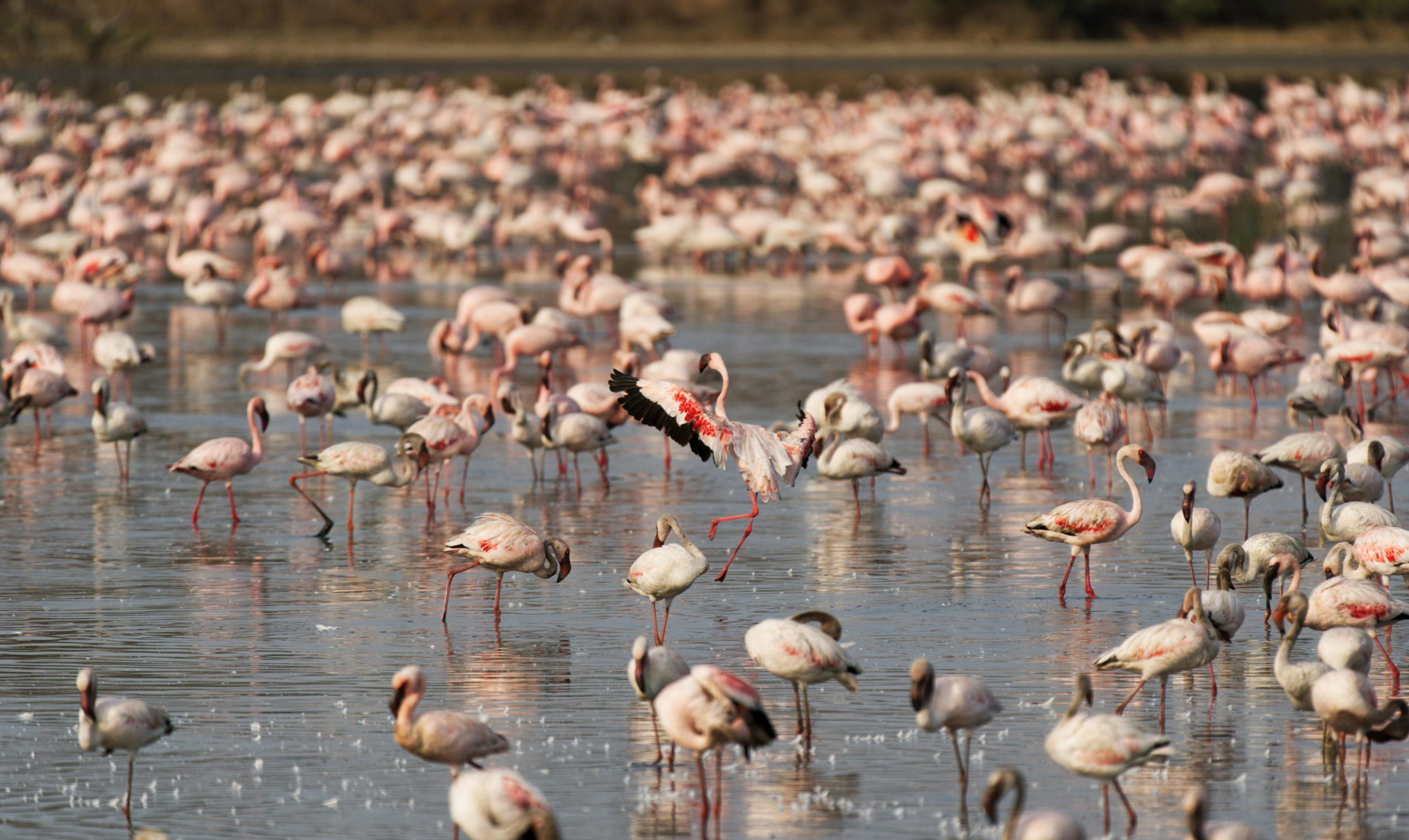
Lake Elementaita is a soda lake that can attract flocks of flamingos depending on algae levels and conditions across the Rift Valley lakes. Birding highlights often include:
- Greater and lesser flamingos (numbers vary seasonally)
- Great white pelicans
- Avocets, stilts, plovers
- Fish eagles and other raptors in surrounding areas
Tips for photographers
- Go early morning for softer light and calmer winds
- Pack a long lens (300mm+) plus a wider lens for landscapes
- Bring a scarf/cover for fine alkaline dust if it’s windy
2) Game Drives in Nearby Reserves
Lake Elementaita itself is primarily a birding and scenery destination. For classic big game, pair it with:
- Lake Nakuru National Park (rhinos, lions, leopards, buffalo; superb birdlife)
- Soysambu Conservancy (private conservation area near Elementaita often quieter, scenic, and wildlife-rich)
- Hell’s Gate National Park (near Naivasha dramatic gorges, cycling/walking options in some zones)
If you want an organized multi-park plan, Turkana Wildlife Safaris offers Kenya safari packages you can adapt:
3) Rift Valley Viewpoints & Nature Walks (Where Permitted)
Elementaita’s surroundings are excellent for:
- Sunset viewpoints over the lake
- Short guided walks on lodge/conservancy land (rules vary by property)
- Visits to nearby volcanic features and escarpment lookouts
4) Culture and Local Stops
Depending on your route, you can include:
- Local markets in Nakuru/Naivasha
- Community-led craft stops (where available)
- Farm-to-table style lodge experiences in the Rift Valley
Best Time to Visit Lake Elementaita
Dry seasons (generally June–October, and Jan–Feb)
- Easier roads and clearer views
- Comfortable for photography and day trips
- Wildlife viewing in nearby parks is often strong
Wet seasons (generally March–May, and Nov–Dec)
- Greener landscapes and excellent light after rains
- Some roads can be muddy
- Birding can be superb with migratory arrivals (varies by timing)
Flamingos: Numbers fluctuate; they move between Rift Valley lakes based on food availability and water chemistry. Plan for “excellent birding” rather than guaranteeing massive flamingo carpets.
Suggested Itineraries Including Lake Elementaita
Option A: 2 Days / 1 Night (Quick Rift Valley Escape)
- Day 1: Nairobi → Lake Elementaita (sunset views, birding)
- Day 2: Morning birding → Lake Nakuru NP game drive → return Nairobi
Option B: 3 Days / 2 Nights (Balanced Birds + Big Game)
- Day 1: Nairobi → Elementaita (relaxed afternoon, viewpoints)
- Day 2: Lake Nakuru NP full/half-day game drive + Soysambu/Elementaita surrounds
- Day 3: Naivasha/Hell’s Gate stop → Nairobi
Option C: 5–7 Days (Rift Valley + Maasai Mara)
Use Elementaita as a scenic mid-point before the Mara:
- Elementaita / Nakuru / Naivasha → Maasai Mara
Where to Stay Around Lake Elementaita
You’ll find a mix of:
- Lodges with lake views
- Tented camps with Rift Valley ambience
- Properties that can arrange local guides, birding walks, and conservancy access
What to look for
- Location: lakefront vs. escarpment views
- Access: distance to Lake Nakuru gate(s) and main highway
- Activities: bird walks, sundowners, conservancy drives
- Photography: viewpoints, hides, open areas, and sunrise positioning
Practical Planning Tips
Getting There
- From Nairobi: typically a few hours by road, depending on traffic and route
- By safari vehicle: ideal for flexible stops and onward travel to Nakuru/Mara
What to Pack
- Neutral clothing and a warm layer for early mornings
- Binoculars (birding is a major highlight)
- Sun protection and rehydration salts
- Camera cleaning kit (fine dust can be common)
Safety & Etiquette
- Keep a respectful distance from birds and wildlife
- Follow park/conservancy rules on walking zones
- Avoid loud behavior near nesting/feeding birds
FAQ (Lake Elementaita Safari)
1) Are there guaranteed flamingos at Lake Elementaita?
No, flamingo numbers vary widely across seasons and between Rift Valley lakes. You’ll still have excellent birding and scenery even when flamingo counts are lower.
2) Is Lake Elementaita better than Lake Nakuru for birding?
They’re complementary. Lake Nakuru NP offers strong birding plus classic big game (including rhino). Elementaita can feel calmer and more scenic for a relaxed bird-and-landscape focus.
3) Can I do Lake Elementaita as a day trip from Nairobi?
It’s possible, but a 1-night stay is far more rewarding for sunrise/sunset light and unhurried birding.
4) What’s the best pairing with Elementaita for a short safari?
Pair it with Lake Nakuru National Park for a high-impact 2–3 day itinerary: birds + rhino potential + big cat chance.