
Lake Bogoria Safari
Lake Bogoria Safari
Lake Bogoria Safari: A Complete Guide to Flamingos, Geysers, and Rift Valley Escapes
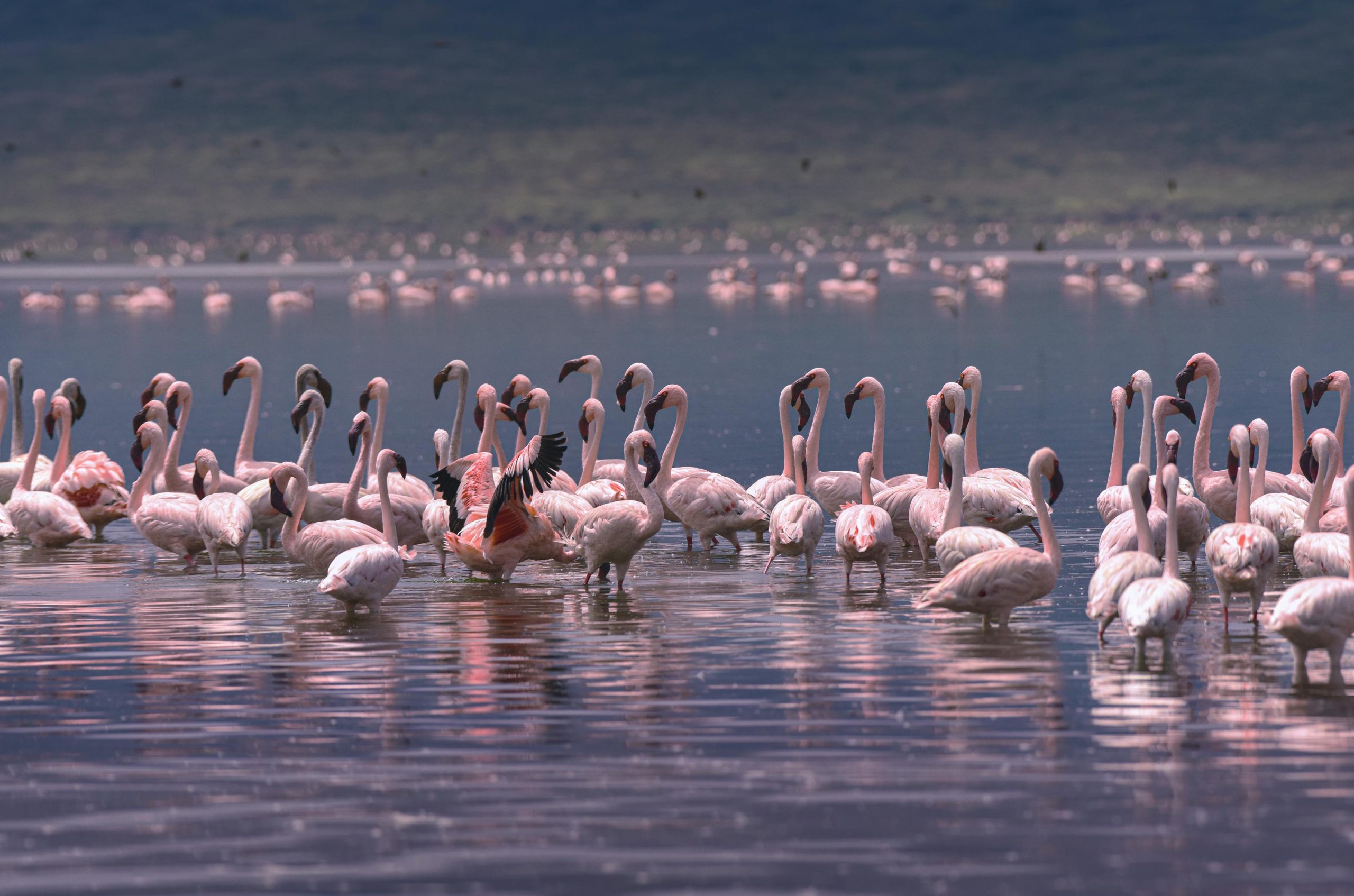
Lake Bogoria is one of Kenya’s most captivating Rift Valley destinations: a dramatic alkaline lake rimmed by rugged hills, renowned for vast congregations of flamingos, and fringed by steaming hot springs and geysers that feel almost otherworldly at dawn. A well-planned Lake Bogoria safari delivers a rare blend of wildlife viewing, geothermal spectacle, cultural encounters, and scenic photography without the heavy crowds associated with some flagship parks.
If you want this trip to feel seamless logistics handled, routes optimized, and time spent exactly where the light and wildlife are best consider booking through a specialist outfitter such as Turkana Wildlife Safaris, whose Kenya itineraries can be tailored around Bogoria and the wider Rift Valley circuit.
Why Choose a Lake Bogoria Safari?
Lake Bogoria sits within the Lake Bogoria National Reserve, a protected area that combines bird-rich lake shores with geothermal features and a semi-arid savannah ecosystem. It’s especially compelling for travelers who want something different from classic “big five” drives though large mammals still appear in the reserve and surrounding landscapes.
Key reasons it belongs on your Kenya route:
- Excellent flamingo viewing (seasonal and variable, but often spectacular)
- Unique hot springs and geysers along the shoreline
- Strong birding potential with dozens of species
- Superb sunrise/sunset photography with Rift Valley panoramas
- A rewarding add-on to Lake Nakuru, Baringo, and even northward journeys toward Samburu or Turkana
Plan your trip through a trusted operator for smoother transfers and the right timing; start by exploring Turkana Wildlife Safaris and their Kenya safari planning options.
Lake Bogoria Highlights: What You’ll See and Do
1) Flamingos and Birdlife on the Alkaline Shoreline
Lake Bogoria is part of the same ecological story as other Rift Valley soda lakes: nutrient-rich waters feed algae and small organisms that attract flamingos and other waterbirds. Numbers fluctuate with rainfall, water chemistry, and conditions at neighboring lakes—so viewing can vary, but the setting remains extraordinary even when flamingo densities shift.
Look out for:
- Greater and lesser flamingos (when conditions are right)
- Pelicans, cormorants, herons, and various waders
- Raptors and dry-country birds in the surrounding bush
If birding is a priority, ask your safari planner to structure time for slower shoreline drives and strategic stops. A tailored itinerary via Turkana Wildlife Safaris can help you align Bogoria with other bird-rich lakes for better overall sightings.
2) Bogoria’s Hot Springs and Geysers
The geothermal belt along the lake’s edge is one of Bogoria’s signature experiences. Steam vents, bubbling pools, and periodic spurts from geysers create an almost “planetary” landscape—particularly photogenic in the cool early morning when vapor hangs in the air.
Tips for enjoying the geothermal area:
- Visit early for softer light and fewer visitors
- Keep a safe distance ground can be unstable and temperatures extreme
- Protect lenses from steam and mineral spray
- Bring water; the climate can be hot and dry
3) Wildlife Beyond Birds: What Mammals to Expect
While Bogoria isn’t marketed as a big-cat hotspot, wildlife sightings can still be rewarding, especially if you appreciate landscapes and species adapted to semi-arid terrain.
You may encounter:
- Greater kudu
- Impala, gazelles, and other antelope
- Warthog and smaller mammals
- Occasional predators (less predictable)
For travelers who want more mammal density, Bogoria pairs well with nearby reserves or conservancies. A Rift Valley circuit planned by Turkana Wildlife Safaris can balance geothermal and birding experiences with stronger game-viewing areas.
Best Time to Visit Lake Bogoria
Lake Bogoria can be visited year-round, but your “best time” depends on priorities:
For flamingos and birds
- Flamingo presence varies; consider combining Bogoria with other soda lakes to increase your chances of peak spectacles.
- Migratory and seasonal bird activity can shift with rains.
For weather and comfort
- Drier months generally mean easier travel and clearer skies for photography.
- After rains, landscapes can be greener but some routes may be slower.
If you’re uncertain, share your dates and interests with Turkana Wildlife Safaris and request a timing recommendation based on current conditions and recent sightings.
How to Get to Lake Bogoria
Most travelers approach Bogoria via Kenya’s Rift Valley route, commonly from:
- Nairobi (as part of a multi-day circuit)
- Lake Nakuru area
- Lake Baringo
Because road conditions and timing can vary, many visitors prefer traveling with an experienced driver-guide who knows the best access points and can adjust stops to maximize light, wildlife, and comfort. You can start planning logistics and routing with Turkana Wildlife Safaris.
Ideal Lake Bogoria Safari Itineraries
2-Day Lake Bogoria Escape
Best for: quick Rift Valley add-on
Day 1
- Drive from Nairobi or Nakuru
- Afternoon geothermal exploration and shoreline viewing
- Sunset photography
Day 2
- Early birding and flamingo search
- Optional nearby cultural stops
- Return to Nakuru/Nairobi or continue north
4–6 Day Rift Valley Lakes Circuit (Highly Recommended)
Best for: birders, photographers, and travelers who want variety
Possible pairings:
- Lake Bogoria + Lake Baringo (birds, boats, local culture)
- Lake Bogoria + Lake Nakuru (more classic wildlife and scenery)
- Extend toward Samburu for stronger mammal viewing
To build a well-paced circuit, consult Turkana Wildlife Safaris and request an itinerary that blends lakes, viewpoints, and wildlife-focused drives.
Where to Stay Around Lake Bogoria
Accommodation options typically range from simple lodges and camps to more comfortable properties depending on your route and budget. Because Bogoria is often visited as part of a broader circuit, your overnight choice may be influenced by where you’re heading next (Baringo, Nakuru, or north toward Samburu/Turkana).
A good tour operator can match lodging to your itinerary pacing so you’re not doing long backtracks. This is another area where Turkana Wildlife Safaris can help streamline the experience.
What to Pack for Lake Bogoria
Bogoria’s conditions can be hot, bright, and dusty near the lake, yet mornings can be cool.
Bring:
- Lightweight breathable clothing + a warmer layer for early hours
- Sun protection: hat, sunscreen, sunglasses
- Comfortable walking shoes (for safe geothermal viewing points)
- Camera with zoom lens for birds + wide lens for landscapes
- Binoculars (essential for birding)
- Reusable water bottle
Photography Tips: Getting the Iconic Bogoria Shots
To capture Bogoria at its best:
- Prioritize sunrise: steam + soft light creates dramatic layers
- Shoot wide for geysers and shoreline patterns
- Use telephoto for flamingo textures and bird behavior
- Watch wind direction near steam vents to avoid lens fogging
- Compose with Rift Valley ridgelines for depth and scale
If you’d like a photography-centered schedule, ask Turkana Wildlife Safaris to plan game drives and geothermal stops around optimal light.
Responsible Travel & Safety Notes
Lake Bogoria is a fragile environment. Responsible travel protects both visitors and the ecosystem:
- Keep distance from wildlife and nesting areas
- Do not approach unstable geothermal ground
- Avoid single-use plastics where possible
- Respect local communities and cultural norms
- Stay on established tracks and follow ranger guidance
FAQ: Lake Bogoria Safari
1) Are flamingos guaranteed at Lake Bogoria?
No. Flamingo numbers fluctuate depending on water conditions and food availability, sometimes shifting between Rift Valley lakes. A multi-lake itinerary improves your chances. You can plan one with Turkana Wildlife Safaris.
2) How long do you need at Lake Bogoria?
A full day can cover the essentials, but 2 days is ideal for better light, birding time, and a more relaxed pace—especially if you want both geothermal and shoreline experiences.
3) Is Lake Bogoria good for families?
Yes, if children can follow safety rules around hot springs and geysers. The scenery is exciting and the geothermal features are memorable, but supervision is essential.
4) Can I combine Lake Bogoria with Lake Baringo?
Yes, this is one of the best pairings in the Rift Valley. Baringo adds boat rides, different birdlife, and cultural texture, complementing Bogoria’s geothermal landscapes.
5) What’s the easiest way to organize a Lake Bogoria safari?
The simplest approach is to book a private or small-group tour that includes transport, guiding, and accommodation. You can start inquiries and itinerary planning through Turkana Wildlife Safaris.
Plan Your Lake Bogoria Safari
Lake Bogoria rewards travelers who slow down: watching flamingos filter the shoreline, listening to birds in the acacia scrub, and feeling the heat rise from the earth in columns of steam. Whether you’re building a Rift Valley lakes circuit or adding a short detour from Nakuru, Bogoria is a high-impact destination that feels distinctly Kenyan and beautifully untamed.
To tailor dates, routing, and lodging to your budget and interests, explore Turkana Wildlife Safaris and request a Lake Bogoria-focused itinerary.