
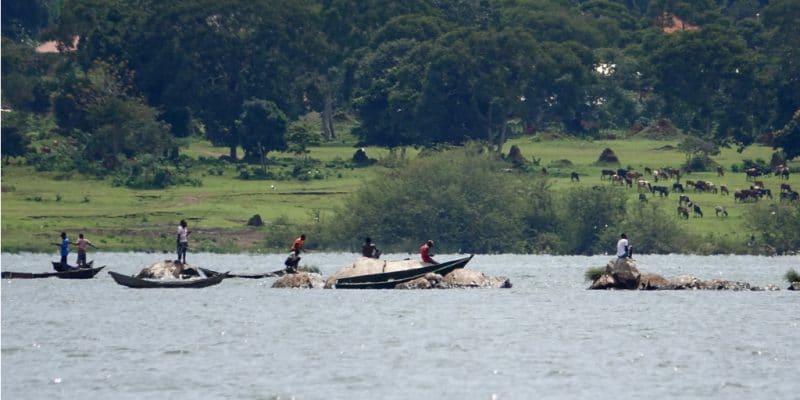
Lake Victoria Climate Change
Lake Victoria Climate Change
The Impact of Climate Change on Lake Victoria: A Comprehensive Analysis
Introduction
Lake Victoria, the largest lake in Africa and the second-largest freshwater lake in the world, is a vital resource for the millions of people living in the East African region. Spanning across Uganda, Kenya, and Tanzania, the lake supports livelihoods through fishing, agriculture, and transportation. However, the effects of climate change are increasingly threatening this critical ecosystem, with profound implications for the environment, economy, and communities that rely on it.
In this article, we will explore the various ways in which climate change is impacting Lake Victoria, from rising temperatures and fluctuating water levels to the disruption of biodiversity and local economies. We will also discuss potential mitigation strategies and the role of policy in addressing these challenges. This comprehensive analysis aims to provide a detailed understanding of the current situation and the future outlook for Lake Victoria in the face of climate change.
The Geography and Importance of Lake Victoria
A Vital Resource for East Africa
Lake Victoria is not only a geographical marvel but also an essential resource for the region. It covers an area of approximately 68,800 square kilometers and serves as the headwaters for the Nile River. The lake’s ecosystem supports a rich diversity of species, including the famous Nile perch, which is a key part of the local fishing industry. Additionally, the lake provides water for domestic use, agriculture, and hydroelectric power generation.
Economic and Social Significance
The lake’s economic significance cannot be overstated. It supports a population of over 40 million people who depend on it for fishing, agriculture, and transportation. The fishing industry alone contributes significantly to the economies of Uganda, Kenya, and Tanzania, with an estimated $500 million in annual revenue. Furthermore, the lake is a crucial transportation route, facilitating trade and commerce between the three countries.
The Effects of Climate Change on Lake Victoria
Rising Temperatures and Water Levels
One of the most noticeable impacts of climate change on Lake Victoria is the rise in temperatures. Over the past few decades, the region has experienced an increase in average temperatures, which has led to changes in the lake’s water levels. While some areas have seen a rise in water levels due to increased rainfall, others have experienced a decline due to evaporation and reduced inflows from rivers.
The fluctuation in water levels has significant consequences for the lake’s ecosystem. For instance, higher temperatures can lead to increased evaporation, reducing the overall water volume. This, in turn, affects the availability of water for agriculture and domestic use, putting additional pressure on already scarce resources.
Disruption of Biodiversity
The changing climate is also having a profound impact on the biodiversity of Lake Victoria. The lake is home to over 500 species of fish, many of which are endemic to the region. However, rising temperatures and changes in water quality are threatening these species, particularly the Nile perch and tilapia, which are vital to the local fishing industry.
Additionally, the increase in water temperatures has led to the proliferation of invasive species, such as the water hyacinth, which has choked large parts of the lake. This invasive plant not only disrupts the ecosystem but also hampers fishing and transportation activities, further exacerbating the economic challenges faced by local communities.
Impact on Local Communities and Economies
The effects of climate change on Lake Victoria are not limited to the environment; they also have far-reaching implications for the local communities and economies that depend on the lake. As fish stocks decline due to changing water conditions and overfishing, many fishermen are struggling to make a living. This has led to increased poverty and food insecurity in the region.
Moreover, the fluctuating water levels have disrupted agricultural activities, particularly in areas that rely on irrigation from the lake. Farmers are finding it increasingly difficult to grow crops, leading to reduced agricultural productivity and higher food prices. The combination of these factors is contributing to a cycle of poverty and vulnerability in the region.
Mitigation Strategies and Policy Responses
Sustainable Fishing Practices
One of the key strategies for mitigating the impact of climate change on Lake Victoria is the promotion of sustainable fishing practices. Overfishing has been a major problem in the lake, and without proper management, fish stocks are likely to continue declining. Governments and local communities must work together to implement fishing regulations that limit overfishing and protect endangered species.
Addressing Invasive Species
Tackling the issue of invasive species, particularly the water hyacinth, is another critical step in mitigating the effects of climate change on Lake Victoria. Governments and environmental organizations are already working on programs to remove the water hyacinth and restore the lake’s natural ecosystem. However, more needs to be done to prevent the spread of invasive species and protect the lake’s biodiversity.
Climate-Resilient Agriculture
In addition to addressing the challenges facing the fishing industry, it is essential to promote climate-resilient agricultural practices in the Lake Victoria region. This includes the adoption of drought-resistant crops, improved irrigation techniques, and better water management practices. By enhancing the resilience of agriculture to climate change, local communities can reduce their dependence on the lake and improve food security.
Regional Cooperation and Policy
Given that Lake Victoria spans three countries, regional cooperation is essential for addressing the challenges posed by climate change. The East African Community (EAC) has already taken steps to promote cross-border collaboration on environmental issues, but more needs to be done to ensure that policies are effectively implemented. This includes strengthening regional agreements on water management, fishing regulations, and environmental conservation.
The Future Outlook for Lake Victoria
The Role of Technology and Innovation
As the effects of climate change continue to intensify, there is a growing need for innovative solutions to protect Lake Victoria and its surrounding communities. Technology can play a crucial role in this effort, from the use of satellite imagery to monitor water levels and fish stocks to the development of early warning systems for extreme weather events.
The Importance of Community Engagement
Ultimately, the success of any mitigation strategy will depend on the active participation of local communities. By involving fishermen, farmers, and other stakeholders in the decision-making process, governments and organizations can ensure that policies are not only effective but also sustainable in the long term.
Conclusion
The impact of climate change on Lake Victoria is a complex and multifaceted issue that requires urgent attention. From rising temperatures and fluctuating water levels to the disruption of biodiversity and local economies, the challenges facing the lake are significant. However, with the right combination of policy, technology, and community engagement, it is possible to mitigate these effects and protect this vital resource for future generations.
FAQ
1. How is climate change affecting Lake Victoria?
Climate change is causing rising temperatures, fluctuating water levels, and the disruption of biodiversity in Lake Victoria. These changes are affecting the local fishing industry, agriculture, and the livelihoods of millions of people who depend on the lake.
2. What are the main challenges facing Lake Victoria?
The main challenges include overfishing, the spread of invasive species like the water hyacinth, and the impact of climate change on water levels and biodiversity. These issues are compounded by poverty and food insecurity in the region.
3. What can be done to mitigate the effects of climate change on Lake Victoria?
Mitigation strategies include promoting sustainable fishing practices, addressing invasive species, adopting climate-resilient agriculture, and strengthening regional cooperation on environmental issues.
4. How are local communities being affected by the changes in Lake Victoria?
Local communities are facing increased poverty and food insecurity due to declining fish stocks, disrupted agricultural activities, and rising food prices. Many fishermen and farmers are struggling to make a living as a result of these changes.
5. What role does technology play in protecting Lake Victoria?
Technology can help monitor water levels, fish stocks, and extreme weather events. It can also support the development of early warning systems and innovative solutions to protect the lake and its surrounding communities.