
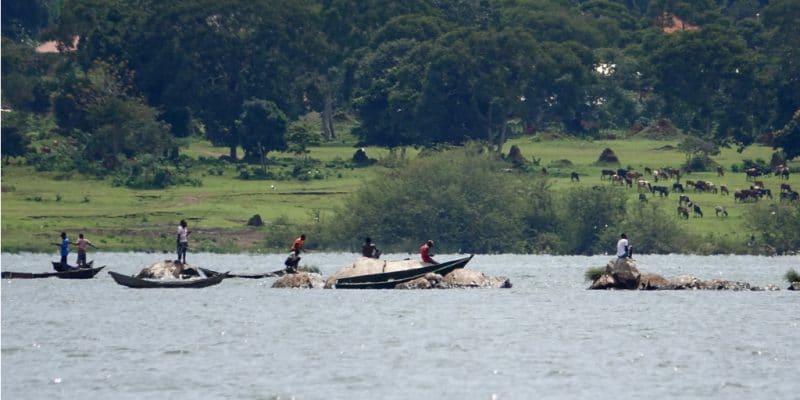
Lake Victoria Water Resources
Lake Victoria Water Resources
Lake Victoria Water Resources: A Comprehensive Overview
Introduction
Lake Victoria, the largest lake in Africa and the second-largest freshwater lake in the world by surface area, is a critical water resource for East Africa. Spanning across three countries—Tanzania, Uganda, and Kenya—this vast body of water plays a pivotal role in the livelihoods of millions of people. It supports agriculture, fishing, transportation, and even hydroelectric power generation. However, Lake Victoria’s water resources face numerous challenges, from pollution to overfishing, climate change, and water management issues.
In this article, we will delve into the significance of Lake Victoria’s water resources, the challenges they face, and the sustainable solutions that can help preserve this vital ecosystem. We will also explore the economic, environmental, and social impacts of the lake on the surrounding region.
The Importance of Lake Victoria’s Water Resources
Lake Victoria is not just a geographical landmark; it is the lifeblood of the region. The lake’s water resources are essential for various sectors, including:
- Agriculture: The fertile lands around Lake Victoria benefit from its water for irrigation, supporting crops such as maize, rice, and sugarcane.
- Fishing: Lake Victoria is home to a diverse range of fish species, including the Nile perch and tilapia, which are critical for both local consumption and export.
- Transportation: The lake serves as a major transportation route, connecting towns and cities across Tanzania, Uganda, and Kenya.
- Hydroelectric Power: The lake feeds into the Nile River, which is harnessed for hydroelectric power generation, supplying electricity to millions of people.
- Biodiversity: Lake Victoria boasts a rich ecosystem, with hundreds of species of fish, birds, and other wildlife that depend on its waters.
Economic Impact
The economic significance of Lake Victoria cannot be overstated. The lake supports a thriving fishing industry, which provides employment to over 200,000 people directly and millions more indirectly. Fish exports, particularly Nile perch, contribute significantly to the economies of Uganda, Tanzania, and Kenya.
In addition to fishing, the lake’s water resources are crucial for agriculture. The surrounding region is one of the most agriculturally productive areas in East Africa, thanks to the availability of water for irrigation. This agricultural output not only feeds local populations but also contributes to regional food security.
Environmental Impact
Lake Victoria’s ecosystem is incredibly diverse, with hundreds of species of fish, birds, and other wildlife. However, this biodiversity is under threat due to pollution, invasive species, and habitat destruction. The introduction of the Nile perch in the 1950s, for example, has led to the decline of many native fish species, disrupting the lake’s natural balance.
Pollution is another major issue. Industrial waste, agricultural runoff, and untreated sewage are all contributing to the degradation of water quality in Lake Victoria. This pollution not only harms aquatic life but also poses a risk to the millions of people who rely on the lake for drinking water.
Social Impact
For the communities living around Lake Victoria, the lake is a vital source of sustenance. Fishing and agriculture are the primary livelihoods for many people in the region, and the lake provides water for drinking, cooking, and sanitation. However, the degradation of the lake’s water resources is having a direct impact on these communities, with declining fish stocks and water quality threatening their way of life.
Challenges Facing Lake Victoria’s Water Resources
Despite its importance, Lake Victoria’s water resources are under significant pressure. The main challenges include:
1. Pollution
Pollution is one of the most pressing issues facing Lake Victoria. Industrial waste, agricultural runoff, and untreated sewage are all contributing to the contamination of the lake’s waters. This pollution not only affects aquatic life but also poses a serious health risk to the millions of people who rely on the lake for drinking water.
2. Overfishing
Overfishing is another major challenge. The introduction of the Nile perch, a predatory fish, has led to the decline of many native fish species. In addition, unsustainable fishing practices, such as the use of illegal nets, have further depleted fish stocks. This has had a devastating impact on the fishing industry and the livelihoods of those who depend on it.
3. Climate Change
Climate change is exacerbating the challenges facing Lake Victoria. Rising temperatures and changing rainfall patterns are affecting water levels in the lake, leading to periods of drought and flooding. These changes are not only impacting agriculture and fishing but also increasing the risk of waterborne diseases.
4. Water Management
Effective water management is crucial for the sustainability of Lake Victoria’s water resources. However, the lake’s management is complicated by the fact that it spans three countries, each with its own priorities and policies. Coordinating efforts to manage the lake’s water resources is a significant challenge, and there is a need for greater cooperation between Tanzania, Uganda, and Kenya.
Sustainable Solutions for Lake Victoria’s Water Resources
To address the challenges facing Lake Victoria, a range of sustainable solutions must be implemented. These include:
1. Pollution Control
Reducing pollution is essential for the health of Lake Victoria’s water resources. This can be achieved through:
- Improved Waste Management: Governments and industries must invest in better waste management systems to prevent industrial waste and sewage from entering the lake.
- Agricultural Best Practices: Farmers should adopt sustainable agricultural practices, such as reducing the use of chemical fertilizers and pesticides, to minimize agricultural runoff.
- Community Education: Educating local communities about the importance of protecting the lake and reducing pollution can help foster a sense of responsibility and encourage sustainable practices.
2. Sustainable Fishing Practices
To prevent further depletion of fish stocks, sustainable fishing practices must be adopted. This includes:
- Regulating Fishing: Governments should enforce regulations on fishing practices, such as banning the use of illegal nets and setting limits on the amount of fish that can be caught.
- Fish Farming: Promoting fish farming as an alternative to wild fishing can help reduce pressure on the lake’s fish stocks.
- Restocking Native Species: Efforts should be made to restock native fish species that have been depleted due to overfishing and the introduction of the Nile perch.
3. Climate Change Adaptation
Adapting to the impacts of climate change is crucial for the long-term sustainability of Lake Victoria’s water resources. This can be achieved through:
- Water Conservation: Encouraging water conservation practices, such as rainwater harvesting, can help reduce the demand for water from the lake.
- Flood and Drought Management: Developing strategies to manage periods of drought and flooding, such as building reservoirs and improving irrigation systems, can help mitigate the impacts of climate change on agriculture and water resources.
4. Regional Cooperation
Given that Lake Victoria spans three countries, regional cooperation is essential for the effective management of its water resources. This can be achieved through:
- Joint Water Management Policies: Tanzania, Uganda, and Kenya should work together to develop joint policies for managing the lake’s water resources, including setting limits on water extraction and pollution control.
- Cross-Border Conservation Efforts: Regional conservation efforts, such as protecting wetlands and reforesting areas around the lake, can help preserve the lake’s ecosystem and improve water quality.
Conclusion
Lake Victoria is a vital water resource for East Africa, supporting millions of people and a diverse ecosystem. However, the lake’s water resources are under significant pressure from pollution, overfishing, climate change, and water management challenges. To ensure the long-term sustainability of Lake Victoria, it is essential to implement sustainable solutions, including pollution control, sustainable fishing practices, climate change adaptation, and regional cooperation.
By taking action now, we can protect Lake Victoria’s water resources for future generations and ensure that this vital ecosystem continues to thrive.
Frequently Asked Questions (FAQ)
1. Why is Lake Victoria important?
Lake Victoria is important because it supports millions of people in East Africa by providing water for drinking, agriculture, fishing, transportation, and hydroelectric power generation. It is also home to a diverse range of wildlife.
2. What are the main challenges facing Lake Victoria?
The main challenges facing Lake Victoria include pollution, overfishing, climate change, and water management issues. These challenges are threatening the lake’s ecosystem and the livelihoods of the people who depend on it.
3. How can pollution in Lake Victoria be reduced?
Pollution in Lake Victoria can be reduced through improved waste management, sustainable agricultural practices, and community education. Governments and industries must invest in better waste management systems, and farmers should adopt practices that minimize agricultural runoff.
4. What is the impact of overfishing on Lake Victoria?
Overfishing has led to the depletion of many native fish species in Lake Victoria, particularly due to the introduction of the Nile perch. This has had a devastating impact on the fishing industry and the livelihoods of those who depend on it.
5. How can regional cooperation help manage Lake Victoria’s water resources?
Regional cooperation is essential for managing Lake Victoria’s water resources because the lake spans three countries—Tanzania, Uganda, and Kenya. Joint water management policies and cross-border conservation efforts can help preserve the lake’s ecosystem and ensure its sustainability.