
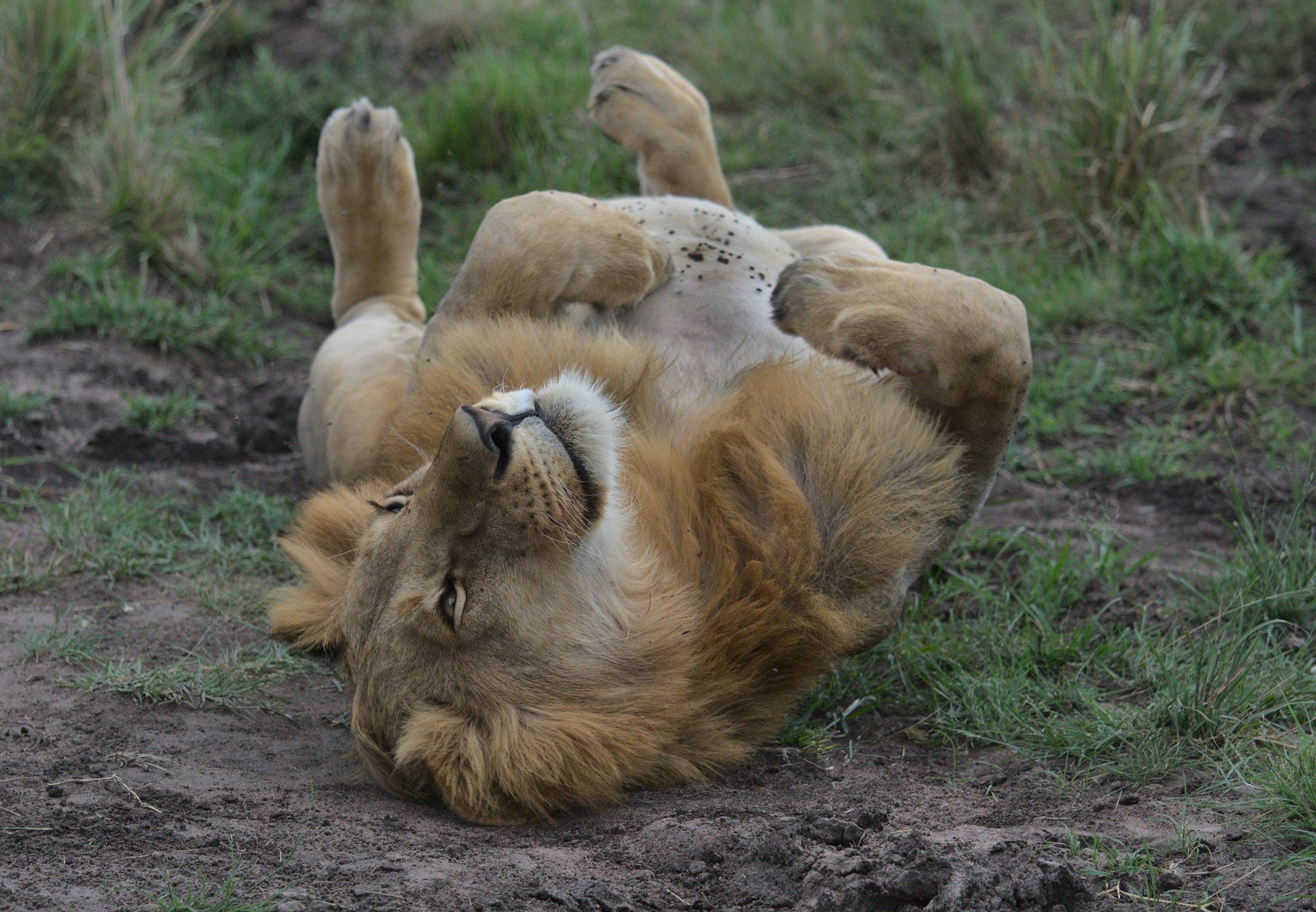
Lion Conservation
Lion Conservation
The Roar of Survival: A Comprehensive Guide to Lion Conservation in the 21st Century
Introduction
The lion, often revered as the “King of the Jungle,” is a majestic symbol of power and resilience. Yet, despite its iconic status, the lion is under siege. Across Africa and parts of Asia, lion populations are plummeting due to habitat encroachment, human-wildlife conflict, poaching, and climate-induced pressures. Lion conservation is no longer a regional concern—it is a global responsibility.
This expertly crafted guide delves deep into the current state of lion conservation, with a special focus on the efforts in East Africa, particularly in Uganda and Rwanda. These two nations, known for their rich biodiversity and commitment to conservation, are emerging as critical players in the fight to protect Africa’s lions.
The Decline of the Lion Population: A Global Crisis
From Dominance to Decline
Lions once roamed across vast territories in Africa, the Middle East, and parts of Europe and Asia. Today, they are confined to fragmented habitats, with an estimated population of fewer than 20,000 individuals in the wild.
- Historical range: Africa, southern Europe, Middle East, India
- Current strongholds: Sub-Saharan Africa, with a remnant population in the Gir Forest of India
Primary Threats to Lion Survival
- Habitat Loss
Expanding agriculture, urbanization, and infrastructure projects have decimated lion habitats. - Human-Wildlife Conflict
Lions often prey on livestock, leading to retaliatory killings by communities. - Poaching and Illegal Trade
Lions are hunted for their bones, skin, and other body parts, often trafficked for traditional medicine and trophies. - Decline in Prey Species
Overhunting and environmental degradation reduce the availability of natural prey. - Climate Change
Shifting weather patterns affect water sources and prey distribution, indirectly impacting lion populations.
Lion Conservation in Uganda and Rwanda: A Regional Perspective
Uganda: A Beacon of Hope in East Africa
Uganda is home to some of Africa’s most iconic wildlife, including a modest but vital population of lions. The Uganda Wildlife Authority (UWA) has been instrumental in implementing conservation strategies that balance ecological sustainability with community development.
Key Lion Habitats in Uganda
- Queen Elizabeth National Park
Known for its unique population of tree-climbing lions, this park is a major conservation priority. - Murchison Falls National Park
Uganda’s largest protected area, offering a relatively stable lion population.
Conservation Strategies in Uganda
- Community Involvement: Programs like the Community Conservation Rangers engage locals in wildlife monitoring and anti-poaching efforts.
- Eco-Tourism: Uganda promotes sustainable tourism, with lion tracking experiences that generate revenue for conservation.
- Research and Monitoring: Collaborations with institutions like Wildlife Conservation Society help track lion populations and study their behavior.
Rwanda: Reintroducing the King
Rwanda, once devoid of lions due to the 1994 genocide and subsequent instability, has made remarkable strides in wildlife restoration. In 2015, lions were reintroduced into Akagera National Park, marking a significant milestone in Rwanda’s conservation journey.
Akagera National Park: A Conservation Success Story
- Reintroduction Program: Seven lions were translocated from South Africa in 2015. By 2023, the population had more than tripled.
- Management by African Parks: In partnership with the Rwanda Development Board (RDB), African Parks has transformed Akagera into a model of modern conservation.
- Community Engagement: Local communities are involved in eco-tourism and benefit directly from conservation-related employment.
Innovations in Rwanda’s Conservation Model
- High-Tech Monitoring: GPS collars and drones are used to monitor lion movements.
- Education Campaigns: Awareness programs reduce fear and promote coexistence between lions and humans.
- Revenue Sharing: A portion of park revenue is reinvested into community development projects.
Broader Conservation Strategies Across Africa
Protected Areas and Transboundary Parks
- Serengeti-Mara Ecosystem: A lion stronghold spanning Tanzania and Kenya.
- Kavango-Zambezi Transfrontier Conservation Area (KAZA): One of the largest conservation areas in the world, covering parts of Angola, Botswana, Namibia, Zambia, and Zimbabwe.
Anti-Poaching Measures
- Ranger Training: Enhanced training and equipment for anti-poaching units.
- Technology Integration: Use of AI-powered camera traps and satellite surveillance.
Genetic Diversity and Breeding Programs
- Captive Breeding: Managed carefully to avoid inbreeding and maintain genetic health.
- Rewilding Initiatives: Reintroducing captive-bred lions into secure habitats.
The Role of International Policy and NGOs
CITES and Legal Frameworks
The Convention on International Trade in Endangered Species (CITES) regulates the trade of lion parts and ensures that international commerce does not threaten their survival.
Key Organizations in Lion Conservation
- Panthera
- Born Free Foundation
- Lion Recovery Fund
- Wildlife Conservation Society
- African Wildlife Foundation
Eco-Tourism: A Catalyst for Conservation
Benefits of Eco-Tourism
- Revenue Generation: Funds park operations and community projects.
- Job Creation: Employs locals in guiding, hospitality, and park management.
- Awareness Building: Educates tourists on conservation issues.
Best Practices for Ethical Travel
- Choose operators that support conservation.
- Avoid attractions involving captive lion interactions.
- Participate in conservation-oriented experiences like lion tracking.
Technological Innovations in Lion Conservation
Smart Surveillance
- Drones: Monitor vast landscapes and detect poachers.
- AI and Machine Learning: Analyze data from camera traps and GPS collars.
Mobile Apps and Citizen Science
- Wildlife Spotting Apps: Platforms like iNaturalist allow users to contribute to lion tracking.
- Community Reporting Tools: Enable locals to report sightings or conflicts.
Education and Advocacy
Raising Awareness
- Social Media Campaigns: Hashtags like #ProtectLions and #RoarForChange.
- Documentaries: Films like The Last Lions and Vanishing Kings highlight the urgency of conservation.
School Programs
- Conservation education integrated into school curricula in Uganda and Rwanda.
- Field trips to national parks to foster appreciation for wildlife.
Global Partnerships and Sustainable Development
Collaboration Across Borders
- Transboundary Conservation: Joint efforts between countries to protect migratory corridors.
- Public-Private Partnerships: Corporations investing in conservation as part of CSR.
Sustainable Development Goals (SDGs)
Lion conservation aligns with multiple SDGs, including:
- Goal 15: Life on Land
- Goal 13: Climate Action
- Goal 1: No Poverty (through eco-tourism and community development)
How You Can Make a Difference
Support Conservation Organizations
Donate to reputable groups like African Parks or Panthera.
Adopt a Lion
Symbolic adoptions through platforms like WWF help fund critical projects.
Volunteer or Intern
Opportunities exist in Uganda and Rwanda for fieldwork, education, and research.
Advocate and Educate
Use your voice to raise awareness and influence policy through petitions and social media.
Frequently Asked Questions (FAQ)
1. Are there lions in Uganda and Rwanda?
Yes. Uganda has established lion populations in parks like Queen Elizabeth and Murchison Falls. Rwanda reintroduced lions to Akagera National Park in 2015, and the population is growing steadily.
2. What makes Uganda and Rwanda important for lion conservation?
Both countries are investing in sustainable conservation models that combine community engagement, eco-tourism, and technological innovation. Their efforts are setting examples for other regions.
3. Can tourists see lions in Uganda and Rwanda?
Absolutely. Uganda offers lion tracking experiences in Queen Elizabeth National Park, while Rwanda’s Akagera National Park provides guided safaris with high chances of lion sightings.
4. How do local communities benefit from lion conservation?
Through employment, revenue sharing from tourism, and education programs. In Rwanda, 10% of park revenue is reinvested in community projects.
5. What is the future outlook for lions in East Africa?
With continued investment, community support, and international collaboration, the outlook is promising. Both Uganda and Rwanda are proving that lion populations can rebound with the right strategies.
Conclusion: Roaring Toward a Sustainable Future
Lion conservation is a complex challenge, but one that can be overcome through science, policy, and community-driven action. Uganda and Rwanda exemplify how nations can turn the tide, restoring lion populations and fostering coexistence between humans and wildlife. The roar of the lion must continue to echo across the savannas—not as a memory, but as a living legacy.