
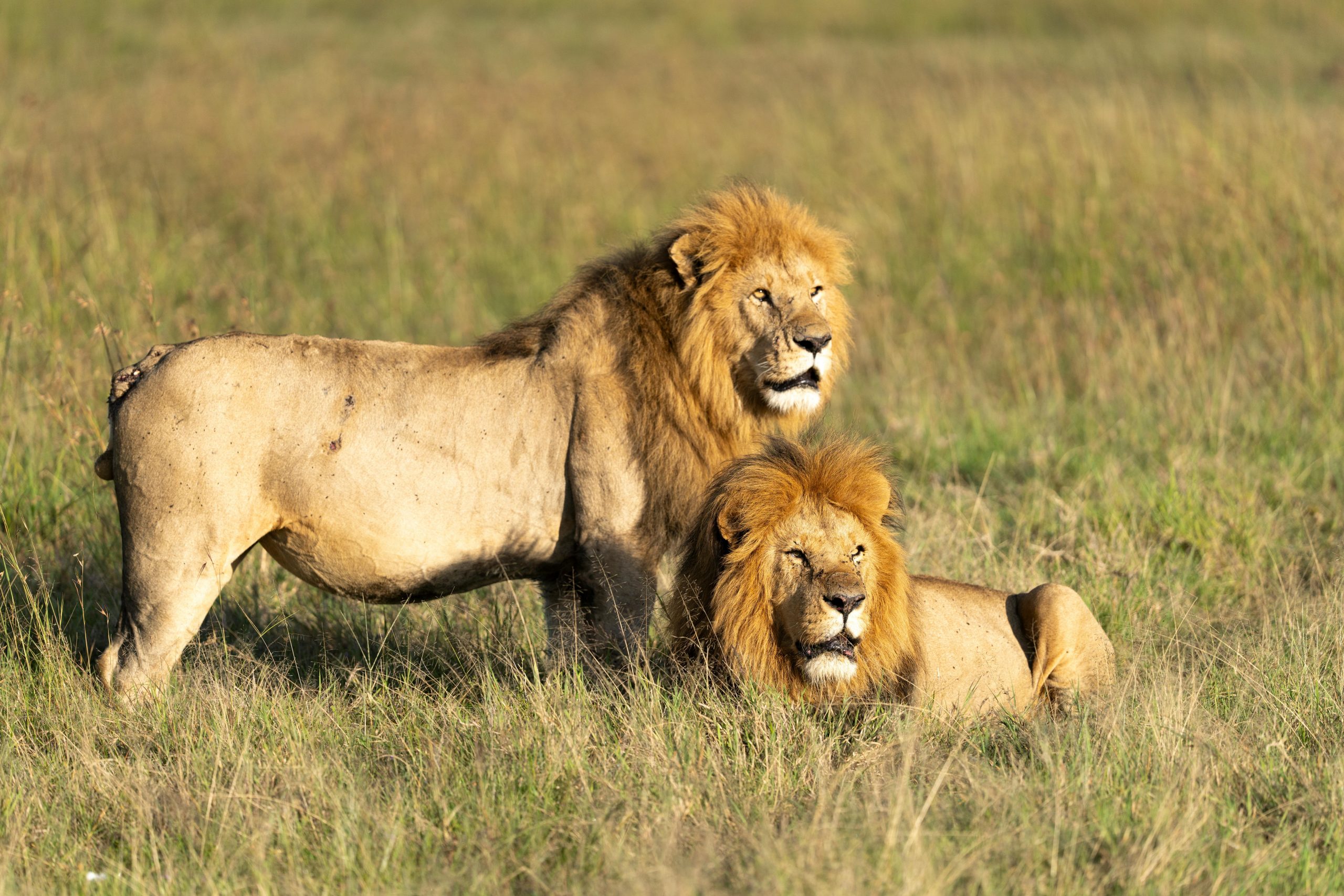
Lion Sanctuary
Lion Sanctuary
Exploring the Majesty of Lion Sanctuaries: A Journey into Conservation, Culture, and Coexistence
Introduction
East Africa, a region synonymous with vast savannahs, acacia-dotted plains, and the thunderous roar of lions, is home to some of the world’s most vital lion sanctuaries. These protected areas are not just havens for the iconic African lion but are also crucial battlegrounds in the fight to preserve biodiversity, promote sustainable tourism, and foster harmony between wildlife and local communities.
In this comprehensive guide, we delve into the heart of East Africa’s lion sanctuaries, exploring their ecological significance, the challenges they face, and the innovative conservation strategies that are shaping the future of the African lion. Whether you’re a wildlife enthusiast, a conservationist, or a curious traveler
The Significance of Lion Sanctuaries in East Africa
Why East Africa?
East Africa, encompassing countries such as Kenya, Tanzania, Uganda, and Ethiopia, is a biodiversity hotspot. The region is part of the African Lion Range, hosting a significant portion of the continent’s lion population. These sanctuaries serve as critical strongholds for the species, whose numbers have plummeted by over 40% in the past few decades due to habitat loss, human-wildlife conflict, and poaching.
Ecological Importance
Lions are apex predators, playing a pivotal role in maintaining the balance of ecosystems. By regulating herbivore populations, they prevent overgrazing and promote the health of grasslands and savannahs. Their presence is a key indicator of a functioning and healthy ecosystem.
Top Lion Sanctuaries in East Africa
1. Serengeti National Park – Tanzania
The Serengeti is arguably the most famous wildlife sanctuary in the world. Spanning over 14,750 square kilometers, it is home to one of the largest populations of lions globally.
Highlights:
- Over 3,000 lions roam freely.
- Part of the greater Serengeti-Mara ecosystem.
- Site of the Great Migration, attracting millions of wildebeest and zebras.
2. Maasai Mara National Reserve – Kenya
The Maasai Mara is a northern extension of the Serengeti and is renowned for its dense lion population and dramatic predator-prey interactions.
Key Features:
- Famous for the “Big Five.”
- Strong community-based conservation efforts.
- Home to the Marsh Pride, featured in BBC’s “Big Cat Diary.”
3. Ngorongoro Conservation Area – Tanzania
A UNESCO World Heritage Site, Ngorongoro is a unique blend of conservation and human habitation. The crater floor is a natural enclosure teeming with wildlife, including a healthy lion population.
Notable Aspects:
- High lion density in a confined ecosystem.
- Coexistence of Maasai pastoralists and wildlife.
- Exceptional photographic opportunities.
4. Queen Elizabeth National Park – Uganda
This park is famous for its rare tree-climbing lions in the Ishasha sector. Queen Elizabeth National Park offers a unique twist on lion behavior and ecology.
Unique Traits:
- Tree-climbing lions – a rare phenomenon.
- Diverse habitats: savannah, wetlands, and forests.
- Strong conservation and research initiatives.
5. Meru National Park – Kenya
Once nearly abandoned due to poaching, Meru has made a remarkable comeback. It is now a thriving sanctuary for lions and other big cats.
Highlights:
- Rehabilitated ecosystem.
- Fewer tourists, offering exclusive experiences.
- Home to Elsa the lioness of “Born Free” fame.
Conservation Challenges Facing Lion Sanctuaries
Habitat Loss and Fragmentation
Urbanization, agriculture, and infrastructure development have drastically reduced lion habitats. Sanctuaries are becoming ecological islands, making genetic diversity and migration more difficult.
Human-Wildlife Conflict
As human populations expand, lions often come into contact with livestock and people, leading to retaliatory killings. This is a significant threat in areas bordering sanctuaries.
Poaching and Illegal Wildlife Trade
While lions are not typically targeted for bushmeat, they are increasingly victims of poaching for body parts used in traditional medicine and as trophies.
Climate Change
Changing weather patterns affect prey availability, water sources, and vegetation, indirectly impacting lion populations.
Innovative Conservation Strategies
Community-Based Conservation
Programs like the Lion Guardians in Kenya train local Maasai warriors to monitor and protect lions, turning former lion hunters into conservationists.
Wildlife Corridors
Establishing corridors between sanctuaries allows for genetic exchange and seasonal migration, essential for long-term species survival.
Eco-Tourism
Sustainable tourism provides funding for conservation while incentivizing local communities to protect wildlife. Lodges and safari operators often contribute directly to sanctuary upkeep.
Technology in Conservation
- GPS Collars: Track lion movements to prevent conflicts.
- Camera Traps: Monitor populations and behavior.
- Drones: Survey vast areas for poaching activity.
The Role of Sanctuaries in Education and Research
Lion sanctuaries are not just tourist attractions; they are living laboratories. Researchers study lion behavior, genetics, and ecology, contributing to global knowledge and conservation strategies.
Key Institutions Involved:
Cultural Significance of Lions in East Africa
Lions hold deep cultural meaning for many East African communities. The Maasai, for example, revere lions as symbols of bravery and strength. Traditional stories and rituals often feature lions, reflecting the deep-rooted connection between people and wildlife.
How to Visit a Lion Sanctuary Responsibly
Tips for Ethical Wildlife Tourism:
- Choose eco-certified lodges and tour operators.
- Avoid disturbing wildlife or encouraging unnatural behavior.
- Support local businesses and conservation initiatives.
- Follow park rules and respect local customs.
Future Outlook: Can Lions Survive the 21st Century?
With concerted global and local efforts, there is hope. Sanctuaries in East Africa are at the forefront of this battle, offering a blueprint for lion conservation worldwide. However, sustained funding, political will, and community engagement are essential to ensure these majestic creatures continue to roam the wild.
Frequently Asked Questions (FAQ)
1. What is the best time to visit lion sanctuaries in East Africa?
The dry season (June to October) is ideal for wildlife viewing, as animals congregate around water sources and vegetation is sparse, making lions easier to spot.
2. Are lion sanctuaries safe for tourists?
Yes, when visited with licensed guides and tour operators. Sanctuaries follow strict safety protocols to ensure a secure and enriching experience.
3. How do lion sanctuaries contribute to conservation?
They provide protected habitats, support research, promote eco-tourism, and engage local communities in conservation efforts.
4. Can I volunteer at a lion sanctuary in East Africa?
Yes, several organizations offer volunteer programs. Always choose reputable programs that prioritize animal welfare and community involvement.
5. How can I support lion conservation from abroad?
- Donate to organizations like Panthera or AWF.
- Raise awareness through social media.
- Adopt a lion symbolically through conservation programs.
Conclusion
Lion sanctuaries are more than just protected areas—they are symbols of hope, resilience, and the enduring bond between humans and nature. By supporting these sanctuaries, whether through responsible tourism, donations, or advocacy, we contribute to a future where lions continue to reign over the African plains.