
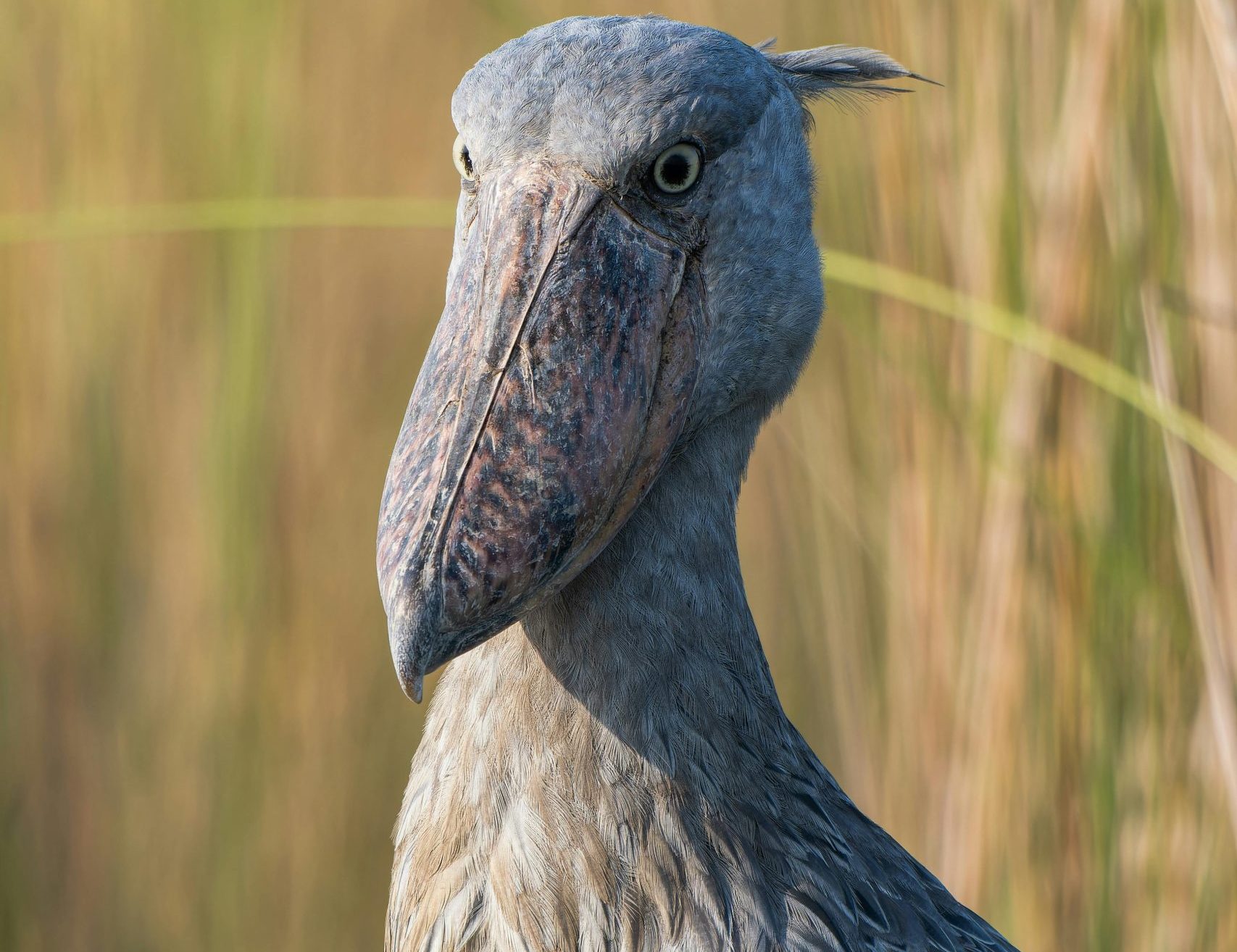
Mabamba Swamp Shoebill Birding
Mabamba Swamp Shoebill Birding
Mabamba Swamp Shoebill Birding: A Complete Guide to Uganda’s Iconic Birding Experience
Introduction
Nestled on the northern shore of Lake Victoria, the Mabamba Swamp is a birdwatcher’s paradise and one of the best places in the world to spot the elusive and prehistoric-looking Shoebill Stork. This vast wetland ecosystem, located just a short drive from Uganda’s capital, Kampala, offers a unique opportunity for avian enthusiasts and eco-tourists to witness one of Africa’s most iconic bird species in its natural habitat.
In this comprehensive guide, we’ll explore everything you need to know about Mabamba Swamp Shoebill birding—from the best times to visit, how to get there, what to expect, and why this experience is a must for any serious birder. Whether you’re a seasoned ornithologist or a curious traveler, this article will provide you with all the insights to make your birding adventure unforgettable.
Why Mabamba Swamp is a Birding Hotspot
A Ramsar Wetland of International Importance
Mabamba Swamp is designated as a Ramsar site due to its ecological significance. The swamp spans over 2,424 hectares of papyrus, water lilies, and marshland, supporting a rich diversity of birdlife, including over 300 species.
Home of the Shoebill Stork
The star attraction of the swamp is undoubtedly the Shoebill, a large, solitary bird with a massive shoe-shaped bill, piercing eyes, and a dinosaur-like appearance. This rare and vulnerable species is notoriously difficult to find elsewhere, making Mabamba one of the most reliable spots for sightings.
The Shoebill: Uganda’s Feathered Icon
Physical Characteristics
- Height: Up to 5 feet tall
- Wingspan: Over 8 feet
- Weight: Around 4–7 kg
- Distinctive Feature: Enormous, shoe-shaped bill used to catch lungfish and other prey
Behavior and Habitat
Shoebills are solitary hunters, often seen standing motionless for long periods before striking with lightning speed. They thrive in freshwater swamps and wetlands with abundant fish populations, particularly lungfish, which are their primary diet.
Best Time to Go Shoebill Birding in Mabamba
Dry Season (June–September & December–February)
- Ideal weather conditions
- Easier access to swamp trails
- Higher chances of clear sightings
Wet Season (March–May & October–November)
- Lush vegetation and vibrant bird activity
- May require more effort due to muddy paths and higher water levels
How to Get to Mabamba Swamp
From Kampala or Entebbe
- By Road: A 1–1.5 hour drive from Kampala or Entebbe to the village of Mabamba.
- By Boat: From Entebbe, you can take a scenic boat ride across Lake Victoria to the swamp.
Guided Tours
For a seamless experience, consider booking a Shoebill birding tour with a reputable operator like Turkana Wildlife Safaris, which offers expert guides and all-inclusive packages.
What to Expect on a Mabamba Birding Safari
The Canoe Experience
Birding in Mabamba is done via dugout canoes paddled by local guides. These silent, eco-friendly vessels allow you to glide through narrow channels without disturbing the wildlife.
Bird Species You Might Encounter
- Shoebill Stork
- African Jacana
- Malachite Kingfisher
- Papyrus Gonolek
- Blue-breasted Bee-eater
- Goliath Heron
- Purple Swamphen
- African Fish Eagle
Essential Tips for Shoebill Birding
What to Bring
- Binoculars or a spotting scope
- Camera with a telephoto lens
- Sunscreen and insect repellent
- Waterproof shoes or boots
- Light rain jacket (especially in the wet season)
Birding Etiquette
- Keep noise to a minimum
- Avoid sudden movements
- Respect local guides and their knowledge
- Do not feed or disturb the birds
Combining Mabamba with Other Birding Destinations
For a more extensive birding itinerary, consider combining your Mabamba visit with other top birding destinations in Uganda:
- Bwindi Impenetrable Forest: Home to the Albertine Rift endemics
- Queen Elizabeth National Park: Over 600 bird species
- Murchison Falls National Park: Excellent for savanna and riverine species
- Semuliki National Park: Congo biome species
Conservation Efforts in Mabamba
Community Involvement
The local communities around Mabamba are deeply involved in conservation through eco-tourism. Canoe guides, birding scouts, and conservationists work together to protect the swamp and its inhabitants.
Threats to the Ecosystem
- Encroachment for agriculture
- Pollution and waste dumping
- Climate change affecting water levels
Support responsible tourism by choosing eco-conscious tour operators like Turkana Wildlife Safaris, who contribute to local conservation initiatives.
Sample Itinerary: 1-Day Shoebill Birding Tour
Morning
- 6:30 AM: Pick-up from hotel in Entebbe or Kampala
- 8:00 AM: Arrival at Mabamba and start of canoe birding
- 10:30 AM: Shoebill sighting and photography session
Afternoon
- 12:00 PM: Picnic lunch by the swamp
- 1:00 PM: Continue birding or visit local community projects
- 3:00 PM: Return to hotel
Book your 1-day Shoebill tour now for a seamless and unforgettable experience.
Why Choose Turkana Wildlife Safaris?
- Expert birding guides with years of experience
- Customized itineraries for all skill levels
- Commitment to conservation and community empowerment
- Excellent reviews and safety record
Explore their full range of Uganda birding tours for more inspiration.
Frequently Asked Questions (FAQ)
1. What is the best time of day to see the Shoebill?
Early morning (6:30–10:00 AM) is the best time, as the Shoebill is most active during these hours. Book a morning birding tour for optimal sightings.
2. Is it safe to visit Mabamba Swamp?
Yes, it is very safe. Local guides are trained and knowledgeable, and the area is well-patrolled. Always go with a licensed tour operator like Turkana Wildlife Safaris.
3. Can I see other wildlife besides birds?
While Mabamba is primarily a birding destination, you may also spot otters, sitatungas (a type of swamp antelope), and various reptiles.
4. Do I need prior birding experience?
Not at all. Whether you’re a beginner or a seasoned birder, the experience is tailored to your level. Guides will help you identify species and provide background information.
5. How can I support conservation in Mabamba?
Choose eco-friendly tour operators, avoid littering, and consider donating to local conservation projects. Turkana Wildlife Safaris actively supports such initiatives.
Final Thoughts
Mabamba Swamp offers an unparalleled opportunity to witness one of the most extraordinary birds on the planet—the Shoebill Stork—in a pristine and peaceful environment. With its rich biodiversity, scenic beauty, and strong community involvement, this destination is a shining example of sustainable eco-tourism in Africa.
For birders, photographers, and nature lovers alike, a trip to Mabamba is not just a tour—it’s a transformative experience. Don’t miss your chance to explore this avian wonderland with the experts at Turkana Wildlife Safaris.