
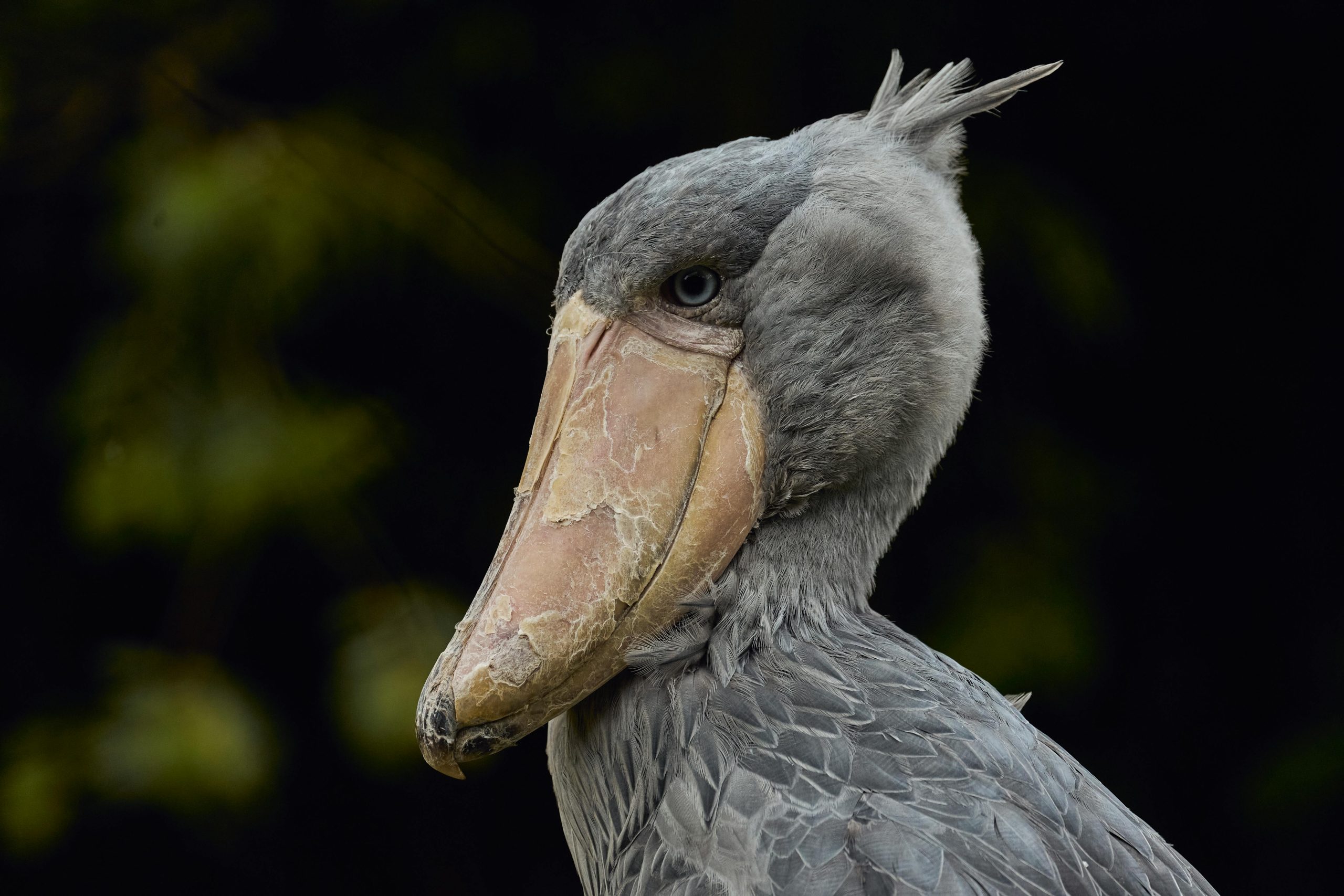
Mabamba Swamp Shoebill Experience
Mabamba Swamp Shoebill Experience
Mabamba Swamp Shoebill Experience: A Complete Guide to Uganda’s Most Iconic Bird Encounter.
Mabamba Swamp is one of East Africa’s most celebrated birding wetlands and widely regarded as the most reliable place in Uganda to see the prehistoric-looking shoebill in the wild. Located on the fringes of Lake Victoria a short trip from Entebbe or Kampala this papyrus-laced ecosystem offers a high-impact, low-effort wildlife experience: a canoe glide through quiet channels, a horizon of reeds, and the possibility of watching one of the world’s most extraordinary birds standing motionless like a statue.
This guide covers everything you need for a complete Mabamba Swamp shoebill excursion: what to expect, when to go, logistics, ethics, photography tips, other birds you might see, and how to combine Mabamba with broader Uganda travel plans. It also includes a set of curated references to Turkana Wildlife Safaris for trip planning and safari extensions.
Why Mabamba Swamp Is Famous for Shoebills
The shoebill (Balaeniceps rex) is a rare, swamp-dependent species with a limited distribution across central and eastern Africa. It favors vast, shallow wetlands with floating vegetation and abundant prey. Mabamba Swamp fits that profile perfectly: a mosaic of papyrus, lily pads, and calm backwaters where shoebills hunt lungfish, catfish, frogs, and even young water birds.
What makes Mabamba special isn’t only the possibility of a sighting, it’s the format of the encounter. Instead of a noisy vehicle chase, you’re in a small boat with an expert local guide, moving gently through channels. When the bird is located, the approach is typically slow and respectful, allowing you to observe natural behavior from a safe distance.
What a Shoebill Sighting Feels Like
A good shoebill moment is not always dramatic. Often, it’s the stillness that’s unforgettable: a tall, grey-blue figure, broad-shouldered and statuesque, with a massive “shoe-shaped” bill, standing in a clearing of reeds. Sometimes it will:
- Scan the water for prey
- Make a sudden lunge strike
- Fly short distances with surprisingly large wings
- Clatter its bill (a “machine-gun” sound) in display
Where Exactly Is Mabamba Swamp?
Mabamba Swamp sits on the western edge of Lake Victoria, near the fishing communities around Kasanje and Busi Island. Most travelers access it from Entebbe (often 45–90 minutes by road depending on traffic and the launch point), making it one of the easiest “big-ticket” wildlife experiences near Uganda’s main airport.
Common Starting Points
- Entebbe: ideal for short stays or arrival/departure-day activities
- Kampala: feasible as a day trip (expect heavier traffic)
If you’re already doing a broader safari circuit, Mabamba can slot in before heading to places like Murchison Falls, Kibale, Queen Elizabeth, or Bwindi.
The Mabamba Swamp Shoebill Experience: Step-by-Step
A typical shoebill excursion follows a simple rhythm: transfer → briefing → canoe search → sighting (hopefully) → return.
1) Arrival and Briefing
You’ll meet a guide (often part of a community birding association). They’ll explain:
- Expected duration (commonly 2–4 hours on the water)
- Birding etiquette
- Safety basics (life jackets, seating, balance)
2) Canoe Ride Through Papyrus Channels
The journey is itself the experience quiet, immersive, and rich in birdlife. You’ll likely see a range of wetland specialists even before the shoebill appears.
3) Shoebill Search and Sighting
Guides coordinate with each other and track likely shoebill positions. Shoebills can be mobile, but Mabamba’s reliability is high by regional standards.
4) Return and Optional
Depending on your time, you can add:
- Extra birding time
- A relaxed lake-edge lunch stop
- Transfer to/from Entebbe hotel or the airport
If you want a tailored trip arrangement (transfer + permits/fees + guide), Turkana Wildlife Safaris can help coordinate logistics
Best Time to See Shoebills in Mabamba
Shoebills can be seen year-round, but conditions matter.
Seasonal Considerations
- Dry seasons (often Dec–Feb, Jun–Aug): easier mobility, clearer canoe routes, comfortable weather
- Wet seasons: lush scenery and excellent birding, but rain can affect comfort and visibility
Best Time of Day
- Morning often brings calmer conditions and active wildlife
- Late afternoon can be beautiful for light, but weather shifts are more likely
Because it’s a wetland, you should plan for humidity and occasional showers any time of year.
How to Get There: Transport Options
By Road (Most Common)
From Entebbe or Kampala to the launch point, then canoe.
Pros
- Flexible timing
- Easy add-on to arrival/departure days
Cons
- Kampala traffic can be unpredictable
By Boat (Less Common)
Some itineraries include a longer water transfer across Lake Victoria, depending on the operator and conditions.
What to Pack for Mabamba Swamp (Practical Checklist)
Wetlands reward preparedness. Bring light gear that handles water, sun, and sudden rain.
Essentials
- Neutral clothing (greens/browns/greys)
- Light rain jacket or poncho
- Sun protection (hat, sunscreen)
- Insect repellent
- Water bottle
- Waterproof bag or dry sack
Birding & Photography
- Binoculars (8x or 10x)
- Camera with zoom (300mm+ ideal; 400–600mm excellent)
- Extra battery + memory cards
- Lens cloth (humidity and spray happen)
Footwear
- Closed shoes or secure sandals (canoe stability matters)
Shoebill Photography Tips (Without Disturbing the Bird)
Shoebills are sensitive to crowding and noise. Ethical viewing improves both conservation outcomes and photo quality.
Get Better Images by Doing Less
- Avoid sudden movements: slow hands, slow camera raises
- Use continuous AF + burst when the bird is likely to strike
- Expose for grey plumage: watch highlights in bright conditions
- Shoot low if possible for a more immersive perspective
Respectful Distance = Natural Behavior
A calm shoebill is more likely to hunt, fly, or display giving you better moments than a stressed bird that retreats into reeds.
Other Birds You May See in Mabamba Swamp
Even if the shoebill plays hard to find (it happens), Mabamba is an exceptional birding site. You may see:
- African jacana
- Malachite kingfisher
- Pied kingfisher
- African fish eagle
- Great egret
- Purple heron
- African pygmy goose
- Long-toed lapwing
For travelers building a broader birding or wildlife trip beyond Mabamba, Turkana Wildlife Safaris is a useful starting point for Uganda safari planning
Conservation, Community, and Why Your Visit Matters
Many Mabamba excursions are guided by trained community members. That matters because community-based eco-tourism:
- Creates local income tied to habitat protection
- Incentivizes wetland conservation over destructive land use
- Builds pride in biodiversity assets
When booking, ask how your fees support guides, canoe owners, and conservation groups.
Good Visitor Conduct
- Keep voices low
- Don’t pressure guides to get closer than ethical viewing distance
- Don’t feed wildlife
- Don’t litter (even “biodegradable” waste is a problem in wetlands)
Common Itinerary Pairings (Maximizing Your Uganda Trip)
Mabamba is often combined with other experiences to create a well-rounded itinerary.
Popular Combinations
- Mabamba + Entebbe botanical/forest walks (easy, close-range nature)
- Mabamba + Kampala cultural day (markets, museums, food)
- Mabamba + Murchison Falls National Park (big game + Nile boat)
- Mabamba + Kibale Forest (chimp tracking)
- Mabamba + Bwindi Impenetrable National Park (gorilla trekking)
Costs, Permits, and Booking Notes (What to Expect)
Pricing varies by:
- Group size (private vs shared canoe)
- Transfers (Entebbe vs Kampala)
- Whether you add birding specialists or extra time
Typical Inclusions
- Canoe + paddler
- Local bird guide
- Entrance/community fees (varies)
- Life jacket
Tips for Booking
- Confirm the meeting point and start time
- Ask about private canoe options if photography is a priority
- Clarify what happens if weather changes (rescheduling policies)
Safety and Comfort on the Water
Mabamba excursions are generally low-risk, but it’s still a wetland with water travel.
- Always wear the provided life jacket
- Keep gear secured (strap your camera)
- Move slowly in the canoe
- Tell your guide if you have back issues seating can be adjusted
Frequently Asked Questions (FAQ)
1) How likely is it to see a shoebill in Mabamba Swamp?
Mabamba is considered one of Uganda’s most reliable sites, but sightings are never guaranteed, wildlife moves. Going with experienced local guides improves odds significantly.
2) How long does the Mabamba Swamp canoe trip take?
Most outings are 2–4 hours on the water, plus road transfer time from Entebbe or Kampala.
3) Is Mabamba Swamp suitable for beginners (non-birders)?
Yes. You don’t need birding expertise to enjoy it, guides help you spot and understand wildlife, and the canoe ride itself is scenic and calm.
4) What should I wear for the shoebill experience?
Light, breathable clothing in neutral colors, a rain layer, sun protection, and shoes that won’t slip. Bring insect repellent.
5) Can I do Mabamba Swamp as a day trip from Entebbe?
Absolutely, this is one of the best day trips from Entebbe. If you need help organizing transport and timing, you can consult a tour planner such as Turkana Wildlife Safaris