
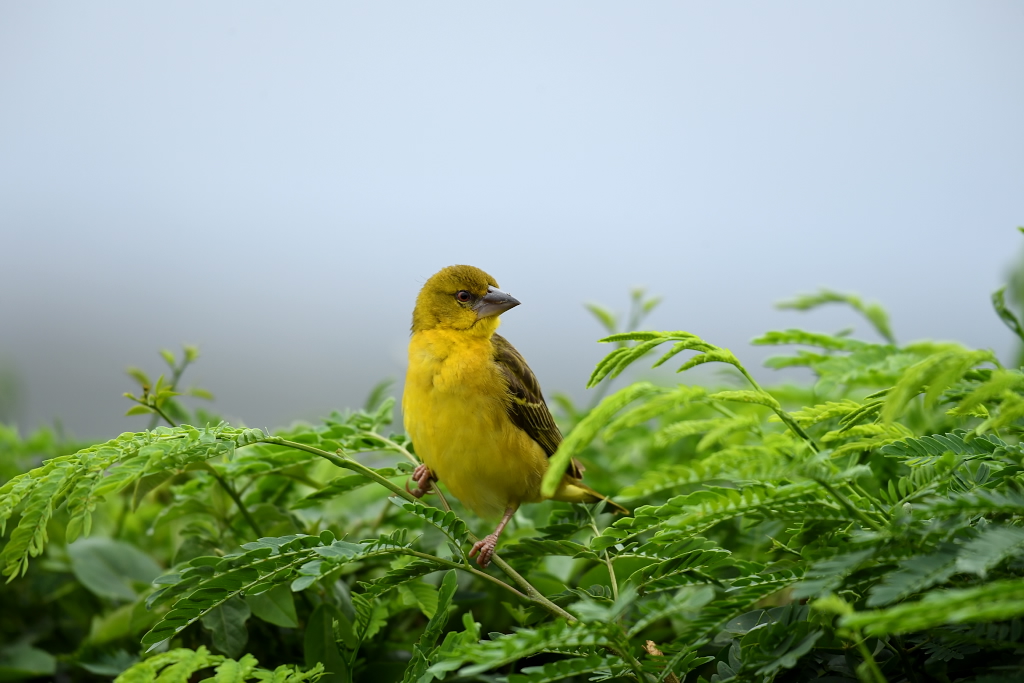
Uganda Birding Tour Excursion
Uganda Birding Tour Excursion
Uganda Birding Tour Excursion: A Complete Guide to an Unforgettable Avian Adventure
Uganda is one of Africa’s most rewarding birding destinations an intensely biodiverse country where savanna, rainforest, papyrus wetlands, afro-alpine moorlands, and vast lakes create a mosaic of habitats that host extraordinary birdlife. A well-designed Uganda birding tour excursion can deliver everything from dazzling forest specials and iconic Albertine Rift endemics to waterbirds and raptors in staggering variety all within a relatively compact travel circuit.
This guide breaks down what makes Uganda exceptional for birders, the best places to visit, what you can realistically see, when to go, how to plan, what to pack, and how to shape an itinerary that balances “must-see” birds with comfort and logistics.
If you’d like professional planning and guided logistics, you can also explore safari options and trip planning resources at Turkana Wildlife Safaris.
Why Uganda Is a World-Class Birding Destination
Uganda’s bird list exceeds 1,000 species an astonishing total for a country of its size. That richness comes from its geographic position at the meeting point of several ecological zones:
- The Albertine Rift (a hotspot of endemism)
- Congo Basin-influenced rainforests in the west
- East African savannas in the north and northeast
- Great Lakes ecosystems, including Lake Victoria, Lake Albert, and Lake Bunyonyi
- Extensive papyrus swamps and wetland networks
This combination offers:
- A high diversity of habitats in short driving distances
- Excellent opportunities for both forest birding and open-country birding
- Several iconic target species that rank among Africa’s top “dream birds”
For travelers who want a safari that combines birds with mammals, Uganda is also famous for primates and classic wildlife experiences. For inspiration on combining themes.
Signature Birds to Look For in Uganda
Uganda has a deep bench of sought-after species, but a few stand out as major tour highlights.
Shoebill (the headline species)
Uganda is among the best places in Africa to see the prehistoric-looking Shoebill, most reliably in the wetlands around Mabamba and other papyrus swamps.
Albertine Rift endemics
The montane forests of Bwindi and Mgahinga are famous for endemics and near-endemics such as:
- African Green Broadbill
- Grauer’s Rush Warbler
- Handsome Francolin
- Ruwenzori Turaco
- Strange Weaver
Forest specials
In Kibale and Budongo forests you can encounter:
- Great Blue Turaco
- Nahan’s Francolin (Budongo)
- Green-breasted Pitta (seasonal/targeted)
- A wide variety of greenbuls, flycatchers, and sunbirds
Raptors and savanna birds
Uganda’s savannas and river systems offer:
- African Fish Eagle
- Martial Eagle
- Bateleur
- Abyssinian Ground Hornbill
- Secretarybird (more localized, depends on area)
Waterbirds and wetland species
In wetlands and lake edges you can find:
- Papyrus Gonolek
- Blue Swallow (seasonal, specialized locations)
- African Jacana
- Saddle-billed Stork
- Pelicans, herons, egrets, and plovers galore
Best Uganda Birding Destinations (Top Parks & Key Hotspots)
Uganda’s best birding is not limited to a single “perfect park”—it’s the network that makes the country exceptional. Here are the places most often included in well-rounded birding excursions.
Bwindi Impenetrable National Park (Forest + Albertine Rift)
Bwindi is famous for mountain gorillas, but birders come for its montane forest diversity and Albertine Rift specialties.
Why it’s special:
- High endemism
- Dense forest birding with rewarding mixed flocks
- Possibility to pair birding with gorilla trekking
Typical birding approach:
- Early morning forest trails
- Slow-paced birding with frequent stops for calls and flock movements
- Optional community/buffer zone birding
Kibale Forest National Park (Forest Birding + Primates)
Kibale is among the best places in Africa for primate density, and its birding especially in Bigodi Wetland Sanctuary adds excellent variety.
What to expect:
- Forest canopy species (turacos, hornbills)
- Wetland and edge species at Bigodi
- Strong chances for primate-and-bird combo walks
Queen Elizabeth National Park (Savanna + Wetlands)
Queen Elizabeth is a top choice for a mixed safari: birds, mammals, and classic landscapes.
Key birding zones:
- Kazinga Channel boat cruise (waterbirds and raptors)
- Mweya peninsula
- Ishasha sector (open habitats + unique species possibilities)
Murchison Falls National Park (River + Savanna)
Murchison offers dramatic scenery and excellent birding along the Nile.
Best birding activities:
- Nile boat trip (great for waterbirds, kingfishers, bee-eaters)
- Game drives for bustards, hornbills, raptors
- Delta area (often productive for specialty waterbirds)
Mabamba Swamp (Shoebill Focus)
Mabamba is a classic day-trip or add-on from Entebbe/Kampala and remains one of the most reliable Shoebill sites.
What makes it ideal:
- Papyrus channels navigated by canoe
- Excellent wetland species list beyond Shoebill
- Efficient for travelers with limited time
Lake Mburo National Park (Acacia Savanna + Easy Access)
Often underrated, Lake Mburo is wonderful for:
- Acacia-associated species
- Night drives (when permitted)
- Short travel time from Kampala/Entebbe en route to western Uganda
Semuliki National Park (Congo Basin Influence)
Semuliki is a major highlight for serious birders wanting species with more Central African affinities.
Why it’s unique:
- Distinct lowland rainforest avifauna
- Excellent for targeted birding lists
- Adds “different” birds compared to typical Uganda circuits
When to Go: Best Time for a Uganda Birding Tour
Uganda is a year-round destination, but timing affects visibility, road conditions, and the presence of migrants.
Dry seasons (often easiest logistics)
- Generally: December–February and June–August
- Pros:
- Better road conditions
- More comfortable walking in forests
- Easier travel between parks
Wet seasons (often best for bird activity, but challenging roads)
- Generally: March–May and September–November
- Pros:
- Lush landscapes
- Increased breeding activity and vocalizations
- Some migrant and seasonal opportunities
- Cons:
- Muddy trails and slower transfers
If your priority is maximizing species diversity and you’re comfortable with rain, shoulder seasons can be excellent.
What a Well-Designed Uganda Birding Itinerary Looks Like
The best birding itinerary is built around habitat variety, realistic driving times, and target species priorities. Here are three common structures.
1) Short birding excursion (3–5 days)
Best for: travelers based near Entebbe/Kampala or those adding birding to a business trip.
Possible inclusions:
- Mabamba Swamp (Shoebill)
- Entebbe Botanical Gardens
- Lake Victoria shores
- A day in Lake Mburo (if time allows)
2) Classic Uganda birding circuit (7–10 days)
Best for: birders who want a strong overview with multiple habitats.
Typical route flow:
- Entebbe/Mabamba
- Kibale + Bigodi
- Queen Elizabeth (Kazinga)
- Bwindi
- Lake Mburo return route
3) Comprehensive birding expedition (12–18 days)
Best for: serious birders chasing endemics + Congo-forest influence.
Possible additions:
- Murchison Falls + Budongo Forest
- Semuliki
- Rwenzori foothills / highland areas
- More time in Bwindi sectors for endemics
For professionally arranged circuits and logistics planning, you can start with Turkana Wildlife Safaris and then refine based on your target list.
Birding Activities You Should Include (for Maximum Species)
A strong Uganda birding tour excursion usually blends several activity types:
- Forest walks (slow pace, call playback used ethically where allowed)
- Wetland canoeing (especially for papyrus species and Shoebill)
- Boat cruises (Kazinga Channel, Nile—high yield for waterbirds)
- Game drives (savanna birds + raptors + mammal viewing)
- Community/buffer zone birding (often surprisingly productive)
- Night birding (owls, nightjars—depending on park regulations)
Packing List for Uganda Birding
Bring gear that supports comfort in humidity, rain, and long days outside.
Essentials
- Binoculars (8x or 10x)
- Field guide or birding app + offline checklist
- Lightweight rain jacket + pack cover
- Quick-dry long-sleeve shirts and trousers
- Hat and sunscreen
- Insect repellent (and consider permethrin-treated clothing)
- Refillable water bottle + electrolytes
- Sturdy waterproof hiking shoes (forest trails can be slick)
Helpful extras
- Monopod or lightweight tripod (for photography)
- Power bank(s)
- Dry bags for electronics
- Small torch/headlamp
- Notebook or voice recorder for notes and call descriptions
Guides, Ethics, and Birding Best Practices in Uganda
Uganda’s birding culture is strong, and a good guide can transform your trip. Look for guides who:
- Know calls well and can track mixed flocks
- Understand habitat-specific behaviors
- Follow ethical birding standards (minimize disturbance, careful use of playback, keep respectful distances)
Ethical birding improves sightings and helps protect the very species travelers come to see.
Combining Birding with Gorilla Trekking (Smart Planning Tips)
Many visitors pair birding with gorilla trekking—especially in Bwindi. The key is to plan pacing:
- Schedule gorilla trekking on a day when you can rest the afternoon
- Place intense forest-birding days before or after trekking, not back-to-back if you’re not used to steep terrain
- Choose a Bwindi sector that aligns with both your lodge plan and bird targets
If you want a combined wildlife-and-birding approach, explore curated safari formats at Turkana Wildlife Safaris and then tailor them for birding intensity.
Typical Costs: What Influences the Price of a Uganda Birding Tour?
Pricing varies widely, but the biggest cost drivers are:
- Number of travel days (vehicle + guide + fuel)
- Domestic flights vs. road transfers
- Lodge category (budget, midrange, luxury)
- Permit activities (e.g., gorilla permits)
- Private tour vs. small group
- Specialized birding guide vs. general safari guide
To keep value high:
- Prioritize more time in key habitats over constant long transfers
- Use a focused “target list” to decide where to spend extra days
- Add Shoebill early (near Entebbe) to reduce circuit pressure later
Sample 10-Day Uganda Birding Tour Excursion (Outline)
This is a model structure you can customize.
- Day 1 – Entebbe area birding (gardens, lake edge)
- Day 2 – Mabamba Swamp (Shoebill + papyrus birds)
- Day 3 – Transfer to Kibale (birding stops en route)
- Day 4 – Kibale Forest + Bigodi
- Day 5 – Transfer to Queen Elizabeth (evening birding)
- Day 6 – Kazinga Channel boat cruise + game drive
- Day 7 – Transfer to Bwindi (birding in transition habitats)
- Day 8 – Bwindi full birding day (endemics focus)
- Day 9 – Lake Mburo (acacia birds, optional walk)
- Day 10 – Return to Entebbe (final birding stops)
If you tell me your travel dates and birding priorities (e.g., “Albertine Rift endemics” vs. “Shoebill + raptors”), I can refine this into a tighter, realistic day-by-day plan.
FAQ: Uganda Birding Tour Excursion
1) Is Uganda good for beginner birders?
Yes. Uganda offers high species diversity and many “iconic” birds that are relatively accessible, especially around wetlands and open habitats. A knowledgeable guide makes identification much easier.
2) Where is the most reliable place to see Shoebill in Uganda?
Mabamba Swamp (near Entebbe) is one of the most reliable sites, typically explored by canoe through papyrus channels.
3) How many days do I need for a satisfying birding experience?
A focused 5–7 day trip can be excellent, but 10–14 days is ideal if you want forest endemics plus savanna, wetlands, and a more complete species list.
4) What’s the best season for birding in Uganda?
Uganda is productive year-round. Dry seasons are easier for travel, while wetter months can bring more breeding activity and vocal birds at the cost of muddier conditions.
5) Can I combine birding with a classic safari and primate tracking?
Absolutely. Many Uganda itineraries combine birding with chimp tracking in Kibale and (optionally) gorilla trekking in Bwindi, plus savanna wildlife in Queen Elizabeth or Murchison.