
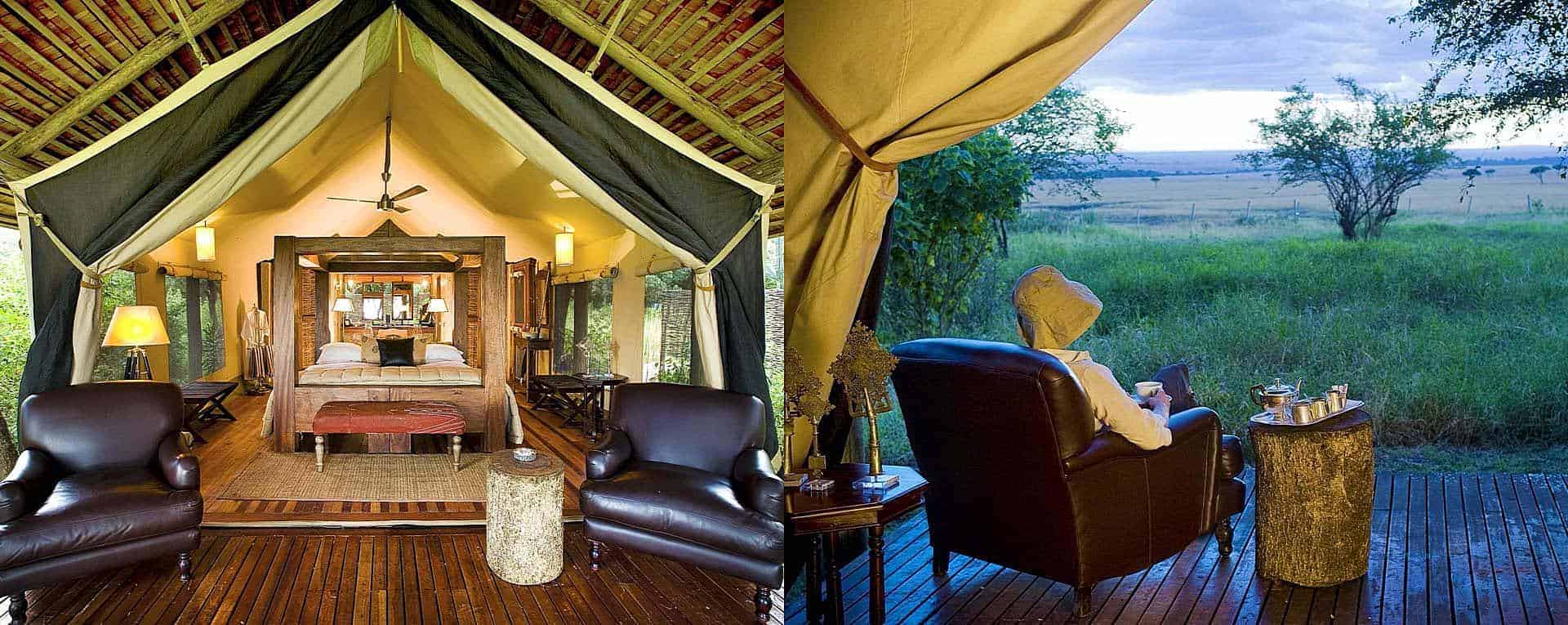
Masai Mara Accommodation
Masai Mara Accommodation
The Ultimate Guide to Masai Mara Accommodation: Where Luxury Meets Wilderness
Introduction
Nestled in the heart of Kenya, the Masai Mara National Reserve is one of Africa’s most iconic safari destinations. Known for its breathtaking landscapes, abundant wildlife, and the world-renowned Great Migration, the Masai Mara is a magnet for adventurers, photographers, and nature enthusiasts alike. But to truly experience the magic of this wild paradise, choosing the right accommodation is essential.
In this comprehensive guide, we delve into the best Masai Mara accommodation options, from opulent lodges to eco-conscious camps. Whether you’re seeking a luxurious retreat or a rustic bush experience, this article offers everything you need to know to find your perfect stay.
Why Masai Mara Is a Top Safari Destination
The Masai Mara is a continuation of Tanzania’s Serengeti ecosystem and is famed for its rich biodiversity. It hosts the Big Five—lion, leopard, elephant, buffalo, and rhino—and is the stage for the awe-inspiring Great Migration, where millions of wildebeest and zebras cross the Mara River.
Key Attractions:
- The Great Migration (July–October)
- Big Five Safaris
- Hot Air Balloon Rides
- Cultural Visits to Maasai Villages
- Bird Watching (450+ species)
Types of Accommodation in Masai Mara
1. Luxury Safari Lodges
These lodges offer a blend of comfort, elegance, and immersive wilderness experiences. They often include private decks, plunge pools, gourmet dining, and personalized game drives.
Top Picks:
- Angama Mara: Perched on the edge of the Great Rift Valley, offering panoramic views and ultra-luxury.
- Mara Bushtops: Known for its spa, fine dining, and open-fronted tents.
- Sanctuary Olonana: Eco-luxury with a focus on sustainability and community.
2. Tented Safari Camps
For a more authentic bush experience, tented camps provide intimacy with nature without sacrificing comfort.
Recommended Camps:
- Kichwa Tembo Tented Camp: Ideal for first-time safari-goers.
- Governors’ Camp: One of the oldest and most iconic camps in the Mara.
- Elewana Sand River Mara: Colonial-style luxury with riverfront views.
3. Mid-Range Lodges
These offer a balance between comfort and affordability, perfect for families or travelers on a moderate budget.
Notable Options:
- Mara Serena Safari Lodge: Located on a hill with magnificent views.
- Ashnil Mara Camp: Great location near the Mara River.
- Fig Tree Camp: Offers both tented and chalet-style rooms.
4. Budget-Friendly Camps
For backpackers or budget-conscious travelers, these camps provide basic amenities and a close-to-nature experience.
Budget Gems:
- Maji Moto Eco Camp: Community-run with a strong focus on sustainability.
- Enchoro Wildlife Camp: Affordable and close to the Oloolaimutia Gate.
- Rhino Tourist Camp: Simple, clean, and close to the reserve.
Choosing the Right Area in Masai Mara
The Masai Mara is divided into several regions and conservancies, each offering unique experiences.
Main Reserve
- Pros: High wildlife density, especially during the migration.
- Cons: Can be crowded during peak season.
Mara North Conservancy
- Pros: Exclusive game drives, fewer vehicles.
- Cons: Higher price point.
Olare Motorogi Conservancy
- Pros: Excellent predator sightings, luxury camps.
- Cons: Limited budget options.
Naboisho Conservancy
- Pros: Community-based tourism, night game drives allowed.
- Cons: Less migration action compared to the main reserve.
Best Time to Visit Masai Mara
| Season | Months | Highlights | Accommodation Tip |
|---|---|---|---|
| Peak Season | July–October | Great Migration | Book 6–12 months in advance |
| Green Season | November–June | Fewer tourists, lush scenery | Enjoy lower rates and more availability |
Unique Features to Look for in Masai Mara Accommodation
When selecting your stay, consider the following features to enhance your safari experience:
- Private Game Drives: Ideal for photographers and couples.
- All-Inclusive Packages: Covers meals, drinks, and excursions.
- Eco-Friendly Practices: Solar power, water recycling, and local sourcing.
- Cultural Experiences: Visits to Maasai villages, traditional dances.
- Child-Friendly Amenities: Family tents, kids’ programs, babysitting services.
Sustainable Tourism and Community Involvement
Many lodges and camps in the Masai Mara are deeply involved in conservation and community development.
Examples of Impact:
- Angama Foundation: Supports education, healthcare, and conservation.
- Basecamp Explorer: Partners with Maasai communities to run eco-lodges.
- Mara Elephant Project: Works with camps to protect elephants from poaching.
By choosing such accommodations, travelers contribute directly to preserving the ecosystem and uplifting local communities.
Sample Itinerary with Accommodation Suggestions
Day 1–2: Arrival and Relaxation
- Stay at: Karen Blixen Coffee Garden in Nairobi
- Activities: City tour, Giraffe Centre, Karen Blixen Museum
Day 3–5: Masai Mara Safari Begins
- Stay at: Mara Ngenche Safari Camp
- Activities: Morning and evening game drives, sundowners
Day 6–7: Cultural Immersion
- Stay at: Basecamp Masai Mara
- Activities: Visit to Talek village, tree planting, Maasai storytelling
Frequently Asked Questions (FAQ)
1. What is the best time to visit Masai Mara for the Great Migration?
The best time is from July to October, when the wildebeest cross the Mara River. For more details, visit the Great Migration Guide.
2. Are there family-friendly lodges in Masai Mara?
Yes, many lodges like Mara Serena Safari Lodge and Fig Tree Camp offer family tents, kids’ activities, and babysitting services.
3. Is it safe to stay in tented camps?
Absolutely. Tented camps like Kichwa Tembo and Governors’ Camp have trained staff, security, and are designed with guest safety in mind.
4. Do accommodations include game drives?
Most mid-range to luxury accommodations include two game drives per day. Always check the package details before booking.
5. Can I book accommodation directly or should I use a tour operator?
While direct booking is possible through sites like Booking.com or the lodge’s website, using a reputable safari operator can simplify logistics and often provide better value.
Final Thoughts
Choosing the right accommodation in the Masai Mara is more than just picking a place to sleep—it’s about crafting an unforgettable experience in one of the world’s most majestic wildernesses. Whether you dream of sipping champagne under the stars in a luxury lodge or waking up to the sounds of lions in a canvas tent, the Masai Mara has a place just for you.
So pack your binoculars, charge your camera, and prepare for the adventure of a lifetime. The Masai Mara awaits.