
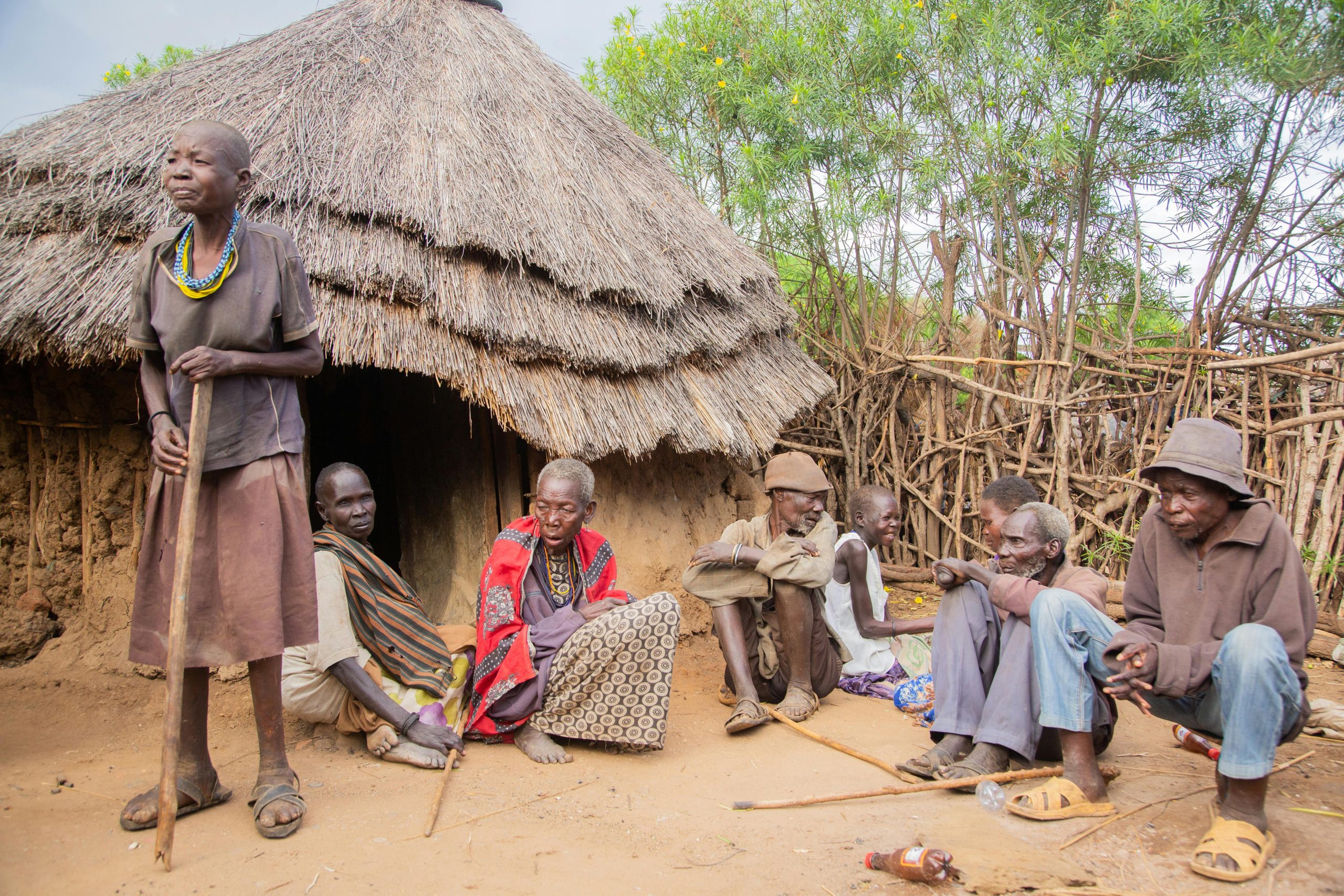
Masai Mara Culture
Masai Mara Culture
Discovering the Rich and Vibrant Culture of the Masai Mara
Introduction to the Masai Mara and Its Cultural Significance
The Masai Mara is not only a globally renowned wildlife reserve in southwestern Kenya but also a cultural epicenter for one of Africa’s most iconic ethnic groups—the Maasai people. Nestled along the Great Rift Valley and extending into the Serengeti in Tanzania, the Masai Mara is a living museum of traditions, rituals, and a way of life that has remained largely untouched by modernity.
This article delves deep into the heart of the Masai Mara culture, exploring the customs, beliefs, and societal structures that define the Maasai community. From their intricate beadwork to their age-old rites of passage, we will uncover how this semi-nomadic tribe has preserved its identity amidst a rapidly changing world.
The Origins and Identity of the Maasai People
The Maasai are a Nilotic ethnic group that migrated from the Nile Valley to their current territories in Kenya and northern Tanzania around the 15th century. Known for their tall stature, colorful attire, and fierce warrior reputation, the Maasai have long captured the imagination of anthropologists, travelers, and historians alike.
Key Characteristics of the Maasai Identity:
- Language: The Maasai speak Maa, a language belonging to the Nilo-Saharan family, though many also speak Swahili and English.
- Territory: Their lands span across the Great Rift Valley, encompassing the Masai Mara and parts of the Serengeti.
- Social Structure: The Maasai society is patriarchal, with elders playing a crucial role in decision-making.
Traditional Clothing and Adornments
One of the most visually striking aspects of the Masai Mara culture is the traditional attire worn by the Maasai people. Their clothing is not just a matter of aesthetics but a symbol of identity, age, and social status.
Elements of Traditional Maasai Dress:
- Shúkà: A red-checked or striped cloth wrapped around the body, symbolizing bravery and unity.
- Beadwork: Intricate beaded jewelry worn by both men and women, often indicating marital status, age group, and social role.
- Ornaments: Earrings, necklaces, and headpieces crafted from locally sourced materials like bone, wood, and metal.
The vibrant colors and patterns are not random; they carry deep cultural meanings. For instance, red represents courage and strength, while blue symbolizes energy and sustenance.
The Role of Cattle in Maasai Life
Cattle are at the core of Maasai culture, serving not just as a food source but as a measure of wealth, social status, and spiritual well-being.
Importance of Cattle:
- Economic Value: Cattle are used in barter, dowries, and as a form of currency.
- Diet: The Maasai diet traditionally consists of milk, meat, and blood from cattle.
- Rituals: Cattle play a central role in ceremonies such as weddings, initiations, and sacrifices.
To the Maasai, cattle are not just animals—they are sacred beings that connect them to their ancestors and the divine.
Rites of Passage and Ceremonial Practices
The Maasai community is known for its elaborate rites of passage, which mark the transition from one life stage to another. These ceremonies are deeply spiritual and are often accompanied by singing, dancing, and feasting.
Major Rites of Passage:
- Enkipaata: A pre-circumcision ceremony for boys.
- Emuratta: The circumcision ritual that marks the transition from boyhood to manhood.
- Eunoto: A ceremony that graduates warriors into elderhood.
- Marriage Rituals: Involving dowry negotiations, blessings, and community gatherings.
These ceremonies are not only personal milestones but also communal events that reinforce social cohesion and cultural continuity.
The Role of Elders and Gender Dynamics
In Maasai society, elders are the custodians of wisdom and tradition. They mediate disputes, bless ceremonies, and guide the younger generations.
Gender Roles in the Maasai Community:
- Men: Serve as warriors (morans) in their youth and later as elders and decision-makers.
- Women: Play vital roles in family life, beadwork, and cultural preservation, though they traditionally have limited political power.
However, modern influences and education are gradually reshaping these roles, especially among younger Maasai women who are advocating for gender equality and access to education.
Music, Dance, and Oral Traditions
The Maasai have a rich oral tradition that includes songs, proverbs, and storytelling. Music and dance are integral to their cultural expression, often performed during ceremonies and communal gatherings.
Cultural Expressions:
- Adumu (Jumping Dance): Performed by young warriors to showcase strength and endurance.
- Chanting and Singing: Used in rituals, storytelling, and daily life.
- Proverbs and Folktales: Convey moral lessons and historical narratives.
These artistic expressions serve as a living archive of Maasai history, values, and cosmology.
Spiritual Beliefs and Cosmology
The Maasai believe in a monotheistic god known as Enkai or Engai, who is both benevolent and wrathful. Enkai is closely associated with rain, fertility, and the well-being of cattle.
Spiritual Practices:
- Laibon: Spiritual leaders who act as healers, prophets, and intermediaries between the people and Enkai.
- Sacred Sites: Natural landmarks like mountains and trees are considered holy.
- Ancestral Worship: Ancestors are revered and often invoked during rituals.
Spirituality permeates every aspect of Maasai life, from agriculture to warfare, and is a guiding force in community decisions.
Challenges to Cultural Preservation
Despite their resilience, the Maasai face numerous challenges that threaten their traditional way of life.
Key Challenges:
- Land Encroachment: Expansion of agriculture and tourism has led to loss of grazing lands.
- Climate Change: Droughts and erratic weather patterns affect cattle herding.
- Modernization: Education, technology, and urbanization are influencing younger generations.
However, many Maasai are actively working to preserve their culture through cultural centers, education programs, and partnerships with conservation organizations.
Cultural Tourism in the Masai Mara
Cultural tourism has become a vital source of income for the Maasai, allowing them to share their heritage with the world while sustaining their communities.
Cultural Tourism Activities:
- Village Visits: Tourists can experience Maasai homesteads (enkangs), participate in dances, and learn about traditional practices.
- Craft Markets: Selling handmade beadwork, carvings, and textiles.
- Cultural Performances: Showcasing traditional music, storytelling, and rituals.
While tourism offers economic benefits, it also raises questions about authenticity and cultural commodification, making ethical tourism practices essential.
The Future of the Masai Mara Culture
The future of the Masai Mara culture lies in balancing tradition with adaptation. Education, digital storytelling, and community-led conservation are empowering the Maasai to take control of their narrative.
Strategies for Cultural Sustainability:
- Cultural Education: Teaching Maasai history and values in schools.
- Digital Archiving: Documenting oral histories and rituals online.
- Community Empowerment: Supporting Maasai-led initiatives in tourism and conservation.
By embracing innovation while honoring their roots, the Maasai are crafting a future where their culture not only survives but thrives.
Frequently Asked Questions (FAQ)
1. What is the significance of the Masai Mara to the Maasai people?
The Masai Mara is not only a wildlife haven but also ancestral land for the Maasai. It holds cultural, spiritual, and economic importance, particularly for cattle grazing and traditional ceremonies.
2. How do the Maasai preserve their culture in modern times?
Through cultural tourism, education, and digital platforms, the Maasai are actively preserving and promoting their heritage while adapting to modern challenges.
3. What role do women play in Maasai society?
While traditionally focused on domestic roles and beadwork, Maasai women are increasingly engaging in education, entrepreneurship, and advocacy for gender equality.
4. Are Maasai rituals still practiced today?
Yes, many traditional rituals such as circumcision, marriage ceremonies, and spiritual blessings are still practiced, though some have been modified to align with modern values and laws.
5. How can tourists respectfully engage with Maasai culture?
By choosing ethical tourism operators, seeking permission before taking photos, and supporting Maasai-owned businesses, tourists can ensure their visits are respectful and beneficial to the community.
Conclusion
The culture of the Masai Mara is a tapestry woven from centuries of resilience, spirituality, and communal living. In a world where globalization often erodes indigenous traditions, the Maasai stand as a testament to the power of cultural identity and the importance of preserving it.
Whether you’re a traveler, a researcher, or simply a curious soul, immersing yourself in the Masai Mara culture offers a profound glimpse into a world where heritage and harmony with nature remain paramount.