
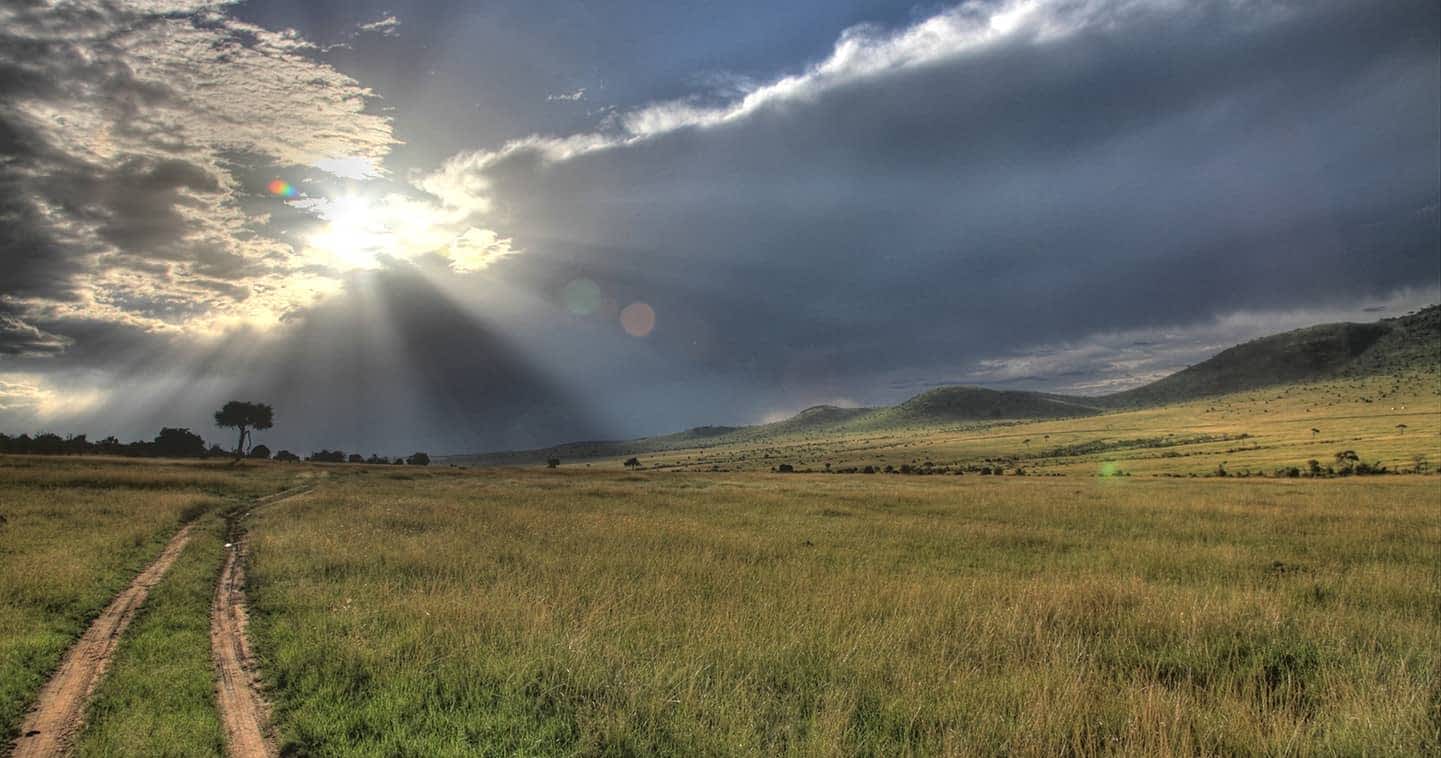
Masai Mara Weather
Masai Mara Weather
Masai Mara Weather: A Complete Guide to Climate, Seasons, and Travel Tips
The Masai Mara National Reserve in Kenya is one of the most iconic safari destinations in the world. Known for its breathtaking landscapes, rich biodiversity, and the legendary Great Migration, understanding the weather in Masai Mara is crucial for planning the perfect trip. In this comprehensive guide, we’ll explore the seasonal climate, monthly weather patterns, and how the weather affects wildlife viewing. Whether you’re a first-time visitor or a seasoned safari-goer, this article will help you make the most of your Masai Mara adventure.
Overview of Masai Mara Climate
The Masai Mara lies in southwestern Kenya and forms part of the greater Serengeti ecosystem. It sits at an altitude of 1,500 to 2,200 meters (4,900 to 7,200 feet) above sea level, giving it a temperate climate year-round. The region experiences a tropical savannah climate, characterized by:
- Warm days and cool nights
- Two rainy seasons (long and short rains)
- Moderate humidity
- Consistent wildlife presence throughout the year
Despite being near the equator, the elevation keeps temperatures from becoming excessively hot, making it a comfortable destination for safaris year-round.
Seasonal Weather Patterns
Dry Season (June to October)
The dry season is considered the best time to visit the Masai Mara. During this period, the weather is sunny and dry, with minimal rainfall.
Key Features:
- Daytime temperatures: 25°C to 28°C (77°F to 82°F)
- Night temperatures: 10°C to 12°C (50°F to 54°F)
- Clear skies and minimal humidity
- Ideal for game viewing due to sparse vegetation
This season coincides with the Great Migration, when millions of wildebeest, zebras, and gazelles cross the Mara River, attracting predators like lions, crocodiles, and cheetahs.
Short Rains (November to December)
The short rains bring brief, scattered showers, usually in the late afternoon or at night.
Highlights:
- Temperatures remain warm: 26°C to 29°C (79°F to 84°F)
- Rainfall is sporadic and rarely disrupts safari activities
- The landscape becomes lush and green
- Fewer tourists, offering a more intimate experience
This is a great time for photographers and bird watchers, as migratory birds begin to arrive and the scenery is vibrant.
Green Season (January to March)
Often overlooked, the green season is a hidden gem for travelers seeking solitude and excellent photographic opportunities.
Pros:
- Warm and sunny days
- Occasional light showers
- Calving season for many herbivores
- Excellent predator sightings
This period offers dramatic scenes of life and survival, as newborn animals attract predators, making for thrilling game drives.
Long Rains (April to May)
The long rains are the wettest time of the year in Masai Mara, but they also bring unique advantages.
What to Expect:
- Heavy rainfall, mostly in the afternoon and evening
- Daytime temperatures: 24°C to 27°C (75°F to 81°F)
- Lush, green landscapes
- Fewer tourists and lower lodge rates
While some roads may become muddy and challenging, the reserve remains open and wildlife is still abundant.
Monthly Weather Breakdown
| Month | Avg Temp (°C) | Rainfall (mm) | Season | Highlights |
|---|---|---|---|---|
| January | 26 / 13 | 50 | Green Season | Calving season, lush landscapes |
| February | 27 / 14 | 40 | Green Season | Predator activity, fewer tourists |
| March | 26 / 14 | 90 | Green Season | Start of long rains, birdwatching |
| April | 24 / 13 | 180 | Long Rains | Heavy rains, fewer tourists |
| May | 23 / 12 | 160 | Long Rains | Green scenery, discounted safaris |
| June | 24 / 11 | 60 | Dry Season | Start of migration, clear skies |
| July | 25 / 10 | 30 | Dry Season | Peak migration, best game viewing |
| August | 26 / 11 | 20 | Dry Season | River crossings, predator action |
| September | 27 / 12 | 40 | Dry Season | Continued migration, sunny days |
| October | 26 / 13 | 60 | Dry Season | End of migration, warm weather |
| November | 25 / 13 | 100 | Short Rains | Greenery returns, fewer crowds |
| December | 26 / 14 | 80 | Short Rains | Festive season, good wildlife |
Best Time to Visit Masai Mara
While the Masai Mara is a year-round destination, the best time depends on your interests:
- For the Great Migration: July to October
- For Bird Watching: November to April (migratory birds present)
- For Photography: January to March (green season light and colors)
- For Budget Travelers: April to May (low season discounts)
How Weather Affects Wildlife Viewing
Weather plays a significant role in wildlife behavior and visibility:
- Dry Season: Animals congregate around water sources, making them easier to spot.
- Rainy Season: Dense vegetation can obscure views, but animals are still active.
- Green Season: Calving attracts predators, offering dramatic interactions.
- Migration Season: Weather patterns influence the timing of river crossings.
Packing Tips Based on the Weather
Essentials for All Seasons
- Lightweight, neutral-colored clothing
- Long-sleeved shirts and pants for sun and insect protection
- Wide-brimmed hat and sunglasses
- Binoculars and camera with zoom lens
- Reusable water bottle
Additional Items by Season
Dry Season:
- Warm layers for early morning and evening drives
- Dust-proof bags for electronics
- Sunscreen and lip balm
Rainy Season:
- Waterproof jacket or poncho
- Quick-dry clothing
- Waterproof bags for gear
- Sturdy, waterproof shoes
Green Season:
- Insect repellent
- Extra memory cards for photography
- Lightweight fleece for cool mornings
FAQs About Masai Mara Weather
1. What is the best month to visit Masai Mara?
Answer: July to October is ideal for witnessing the Great Migration, but January to March offers excellent predator sightings and fewer tourists.
2. Does it rain all day during the rainy season?
Answer: No. Rain typically falls in the late afternoon or evening, allowing for productive game drives in the morning and early afternoon.
3. Is it cold in Masai Mara?
Answer: Nights and early mornings can be chilly, especially during the dry season. Daytime temperatures are generally warm and pleasant.
4. Can I still go on safari during the rainy season?
Answer: Absolutely. While some roads may be muddy, safaris continue, and the lush scenery offers a different, beautiful perspective of the reserve.
5. How does the weather affect the Great Migration?
Answer: Rainfall in the Serengeti and Masai Mara influences the movement of the herds. They follow the rains in search of fresh grazing, which determines when and where they cross the Mara River.
Conclusion
The weather in Masai Mara is as dynamic and captivating as its wildlife. Whether you’re chasing the thunder of hooves during the Great Migration, marveling at newborn antelopes in the green season, or enjoying the tranquility of the rainy months, understanding the climate is key to a successful safari. With this guide, you’re now equipped to choose the best time for your journey, pack appropriately, and experience the magic of Masai Mara in all its seasonal glory.