
Masai Mara Photography
Masai Mara Photography
The Ultimate Guide to Masai Mara Photography: Capturing the Wild Heart of Africa
Introduction
The Masai Mara National Reserve in Kenya is one of the most iconic wildlife destinations on Earth. Known for its breathtaking landscapes, rich biodiversity, and the dramatic spectacle of the Great Migration, it offers a once-in-a-lifetime opportunity for photographers to capture nature in its rawest form. Whether you’re a seasoned wildlife photographer or a passionate amateur, Masai Mara photography demands preparation, patience, and an eye for the extraordinary.
In this comprehensive guide, we’ll explore everything you need to know to master the art of photography in the Masai Mara—from essential gear and shooting techniques to the best times to visit and ethical considerations. Let’s journey into the heart of Africa and discover how to immortalize its wild beauty through your lens.
Why Masai Mara is a Photographer’s Paradise
The Masai Mara is not just a destination—it’s a canvas of untamed beauty. Spanning approximately 1,510 square kilometers, this reserve is home to the “Big Five” (lion, leopard, elephant, buffalo, and rhino), as well as cheetahs, giraffes, zebras, wildebeests, and hundreds of bird species.
Key Highlights for Photographers:
- The Great Migration: Over 1.5 million wildebeests, zebras, and gazelles cross the Mara River annually in a perilous journey from Tanzania’s Serengeti. This natural phenomenon is a goldmine for action-packed shots.
- Predator-Prey Interactions: The abundance of predators makes it ideal for capturing dramatic hunting sequences and animal behavior.
- Golden Hour Light: The Mara’s open savannahs and vast skies provide perfect conditions for golden hour photography.
- Diverse Landscapes: From rolling plains to acacia-dotted horizons and winding rivers, the scenery itself is a subject worth capturing.
Best Time to Visit for Photography
Timing is everything in wildlife photography, and the Masai Mara offers different photographic opportunities throughout the year.
Seasonal Guide:
- July to October: Peak of the Great Migration, with river crossings and predator action.
- December to March: Calving season—ideal for capturing newborns and predator-prey dynamics.
- April to June: Green season—lush landscapes and fewer tourists, though some areas may be inaccessible due to rain.
📸 Pro Tip: Plan your trip around the new moon for better night photography conditions and dramatic starry skies.
Essential Photography Gear for Masai Mara
To make the most of your photographic safari, your gear must be versatile, durable, and suited for the wild.
Must-Have Equipment:
- Camera Body: A DSLR or mirrorless camera with fast autofocus and high ISO performance.
- Lenses:
- 100-400mm or 200-600mm for wildlife close-ups.
- 24-70mm for landscapes and wider scenes.
- 50mm or 85mm for portraits of Maasai people (with permission).
- Tripod or Bean Bag: For stability during long shoots or from safari vehicles.
- Extra Batteries & Memory Cards: Power and storage are critical in remote areas.
- Lens Cleaning Kit: Dust and moisture are constant challenges.
Camera Settings and Techniques
Understanding your camera settings is crucial for capturing fast-moving wildlife and changing light conditions.
Recommended Settings:
- Shutter Speed: 1/1000s or faster for action shots.
- Aperture: f/2.8 to f/5.6 for subject isolation; f/8 for landscapes.
- ISO: Auto ISO with a cap at 3200 or 6400 depending on your camera’s noise performance.
- Focus Mode: Continuous autofocus (AI Servo / AF-C).
- Drive Mode: High-speed burst for capturing sequences.
Techniques:
- Rule of Thirds: Compose your shots with the subject off-center for dynamic images.
- Eye-Level Perspective: Lower your angle for intimate animal portraits.
- Backlighting: Use sunrise or sunset light to create silhouettes or rim lighting.
- Panning: Follow moving subjects with a slow shutter speed to convey motion.
Ethical Wildlife Photography
Respect for wildlife and local communities is non-negotiable in ethical photography.
Do’s and Don’ts:
- ✅ Maintain a safe and respectful distance from animals.
- ✅ Ask for permission before photographing people.
- ✅ Use silent shooting modes to avoid disturbing wildlife.
- ❌ Never bait or provoke animals for a shot.
- ❌ Avoid flash photography, especially at night.
🌍 Ethical photography ensures that your images tell a story without harming the subjects.
Working with Local Guides and Safari Operators
A knowledgeable guide can make or break your photographic safari. They understand animal behavior, know the best spots, and can position your vehicle for optimal lighting and composition.
What to Look for in a Guide:
- Experience with photographers.
- Understanding of light and positioning.
- Patience and respect for wildlife.
- Communication skills and local knowledge.
🔗 Consider booking with photography-focused safari operators for a tailored experience.
Post-Processing Tips
Editing is an essential part of the photographic process, allowing you to enhance your images while staying true to the scene.
Software Recommendations:
- Adobe Lightroom: For global adjustments and cataloging.
- Adobe Photoshop: For advanced retouching and composites.
- DxO PhotoLab: Excellent for noise reduction and lens corrections.
Editing Tips:
- Maintain natural colors—avoid oversaturation.
- Use selective sharpening to draw attention to the subject.
- Crop for composition without losing resolution.
- Use graduated filters to balance sky and land exposure.
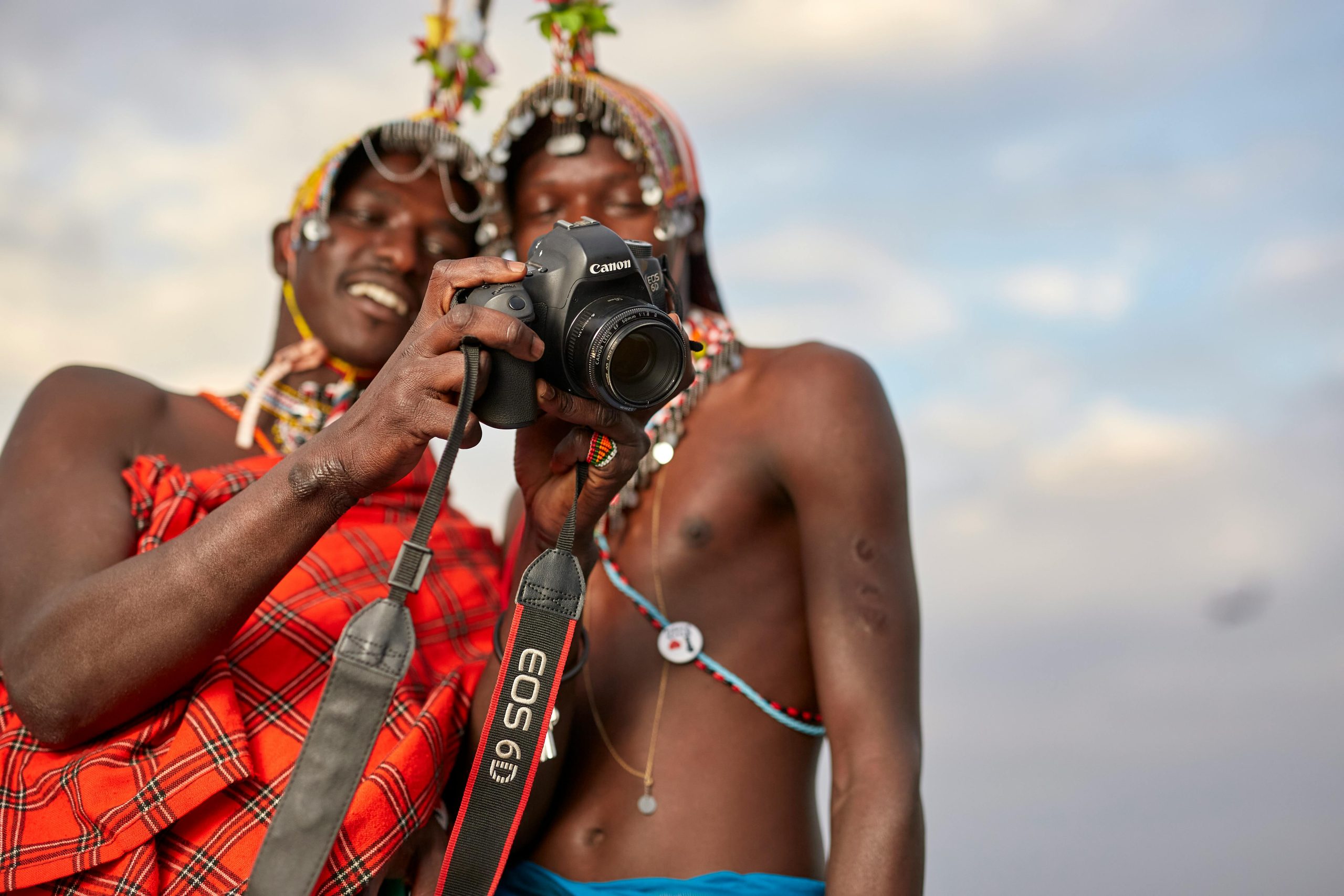
Cultural Photography in the Masai Mara
Beyond wildlife, the Masai Mara is home to the Maasai people, known for their vibrant attire, traditions, and semi-nomadic lifestyle.
Tips for Cultural Photography:
- Always ask for permission before taking portraits.
- Offer a small token or donation if appropriate.
- Capture candid moments that reflect daily life.
- Use a wide aperture for beautiful background blur.
📷 Cultural photography adds depth to your Masai Mara story and supports responsible tourism.
Safety and Logistics
Traveling in the wild requires preparation and awareness.
Safety Tips:
- Follow your guide’s instructions at all times.
- Keep limbs inside the vehicle during game drives.
- Stay hydrated and protect yourself from the sun.
- Carry insect repellent and basic first aid.
Travel Logistics:
- Nearest Airport: Nairobi’s Jomo Kenyatta International Airport (NBO).
- Transfer Options: Charter flights or 4×4 vehicles to the reserve.
- Accommodation: Choose from luxury lodges, tented camps, or eco-friendly stays.
Creating a Photography Portfolio from Your Trip
Your Masai Mara images deserve more than just a spot on your hard drive.
Portfolio Ideas:
- Create a themed photo book (e.g., Big Cats, Migration, Maasai Culture).
- Build an online gallery or website.
- Submit to wildlife photography contests.
- Share on social media with storytelling captions.
🖼️ Let your images inspire conservation and awareness.
Quick Reference Lists
Top Wildlife Subjects:
- Lions and lionesses in golden light
- Cheetahs on termite mounds
- Wildebeest river crossings
- Elephants at sunrise
- Leopards in trees
- Giraffes against sunset skies
- Hippos and crocodiles in the Mara River
Best Photography Spots:
- Mara Triangle
- Talek River crossings
- Musiara Marsh
- Olare Motorogi Conservancy
- Lookout Hill
Gear Checklist:
- DSLR/Mirrorless camera
- Telephoto lens (200-600mm)
- Wide-angle lens (24-70mm)
- Extra batteries and memory cards
- Rain cover and cleaning kit
- Power bank or solar charger
Frequently Asked Questions (FAQ)
1. What is the best time of year for Masai Mara photography?
The best time is during the Great Migration from July to October, when wildlife activity peaks. However, the calving season (December to March) offers unique opportunities for capturing young animals and predator interactions.
2. Do I need a professional camera for great wildlife photos?
While professional gear helps, even advanced bridge cameras or mirrorless cameras with good zoom capabilities can yield stunning results if used with proper technique.
3. Is it safe to photograph in the Masai Mara?
Yes, as long as you follow your guide’s instructions and stay within designated areas. Always respect wildlife boundaries and avoid unnecessary risks.
4. Can I photograph the Maasai people?
Yes, but always ask for permission first. Many Maasai are open to being photographed, especially during cultural visits, and may request a small fee or donation.
5. How do I protect my gear from dust and moisture?
Use ziplock bags, rain covers, and silica gel packs. Clean your lenses regularly and store your gear in padded, weather-resistant bags.
Conclusion
Masai Mara photography is more than just taking pictures—it’s about telling stories of survival, beauty, and the intricate balance of nature. With the right preparation, ethical approach, and artistic vision, your journey into this wild paradise can yield images that resonate with emotion and authenticity.
Whether you’re chasing the thunder of hooves during the migration or capturing the quiet gaze of a lion at dusk, the Masai Mara offers a stage where every frame is a masterpiece waiting to be discovered.