
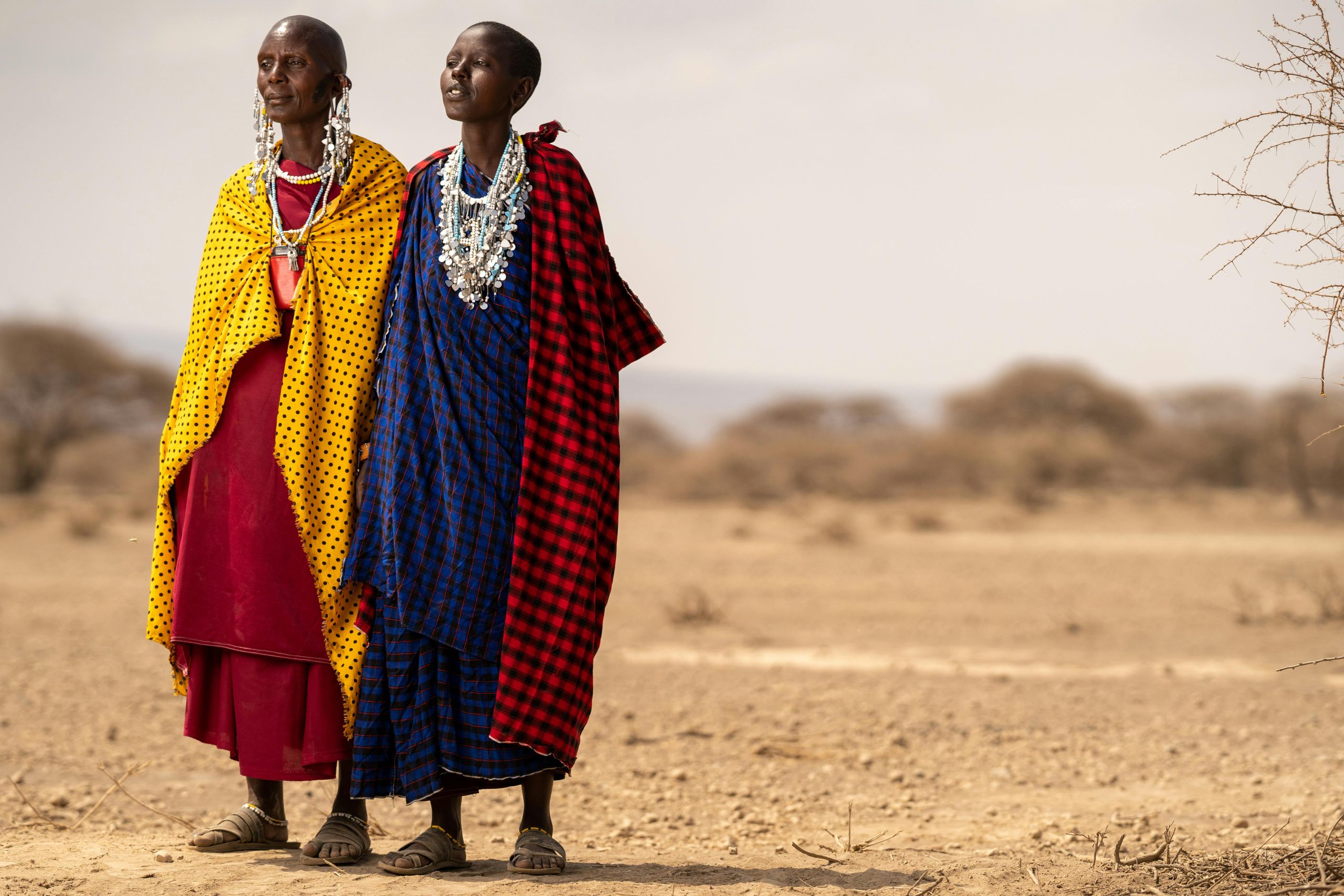
Masai Mara Tribe
Masai Mara Tribe
The Masai Mara Tribe: A Deep Dive into the Culture, History, and Legacy of the Maasai People
Introduction
Nestled in the heart of East Africa, the Masai Mara is not only known for its breathtaking landscapes and the Great Migration but also for being home to one of the most iconic and resilient indigenous communities in the world — the Maasai tribe. With their vibrant red shukas, intricate beadwork, and deep-rooted traditions, the Maasai have captivated the world’s attention for centuries.
This comprehensive guide explores the rich tapestry of the Maasai people — their history, culture, social structure, and the challenges they face in a rapidly modernizing world. Whether you’re a cultural enthusiast, a traveler, or a student of anthropology, this article will provide a profound understanding of one of Africa’s most fascinating communities.
Who Are the Maasai?
The Maasai are a semi-nomadic ethnic group primarily found in southern Kenya and northern Tanzania. They speak the Maa language, part of the Eastern Nilotic branch of the Nilo-Saharan language family. Known for their warrior traditions, pastoral lifestyle, and striking appearance, the Maasai have maintained much of their ancestral culture despite external pressures.
Origins and Migration
The Maasai trace their origins to the Nile Valley region of North Africa. Historical and linguistic evidence suggests that they began migrating southward around the 15th century, eventually settling in the Great Rift Valley. Their migration was marked by the conquest of other tribes and the establishment of expansive grazing lands for their cattle.
Geographic Distribution
The Maasai inhabit the areas surrounding the Masai Mara National Reserve in Kenya and the Serengeti in Tanzania. These regions are not only vital for wildlife conservation but also central to the Maasai way of life.
Cultural Practices and Traditions
The Role of Cattle
Cattle are the cornerstone of Maasai culture. They are not only a source of food and wealth but also play a crucial role in social and spiritual life.
- Dowries are paid in cattle.
- Rituals often involve the sacrifice or blessing of cattle.
- Milk and blood are dietary staples.
“A Maasai without cattle is like a bird without wings.”
Clothing and Adornment
The Maasai are easily recognized by their distinctive attire:
- Shukas: Red or blue cloths wrapped around the body.
- Beadwork: Intricate necklaces, earrings, and bracelets that signify age, marital status, and social standing.
- Ear stretching: A traditional practice among both men and women.
Initiation Rites
The Maasai life cycle is marked by elaborate ceremonies:
- Enkipaata: Pre-circumcision ceremony for boys.
- Emuratta: Circumcision, marking the transition to manhood.
- Eunoto: Ceremony that graduates warriors to elder status.
- Enkigerunoto Imanyara: Marriage ceremony for women.
Each of these rites involves community participation, singing, dancing, and storytelling.
Social Structure and Governance
Age-Set System
The Maasai society is organized into age-sets, a system that groups individuals of similar age into cohorts that progress through life stages together.
- Warriors (Morans): Young men responsible for security and herding.
- Elders: Decision-makers and spiritual leaders.
- Women: Primarily responsible for building homes, raising children, and managing household affairs.
Leadership and Decision-Making
While the Maasai do not have centralized political leadership, decisions are made through councils of elders. These councils resolve disputes, oversee rituals, and maintain social cohesion.
Maasai and the Environment
Land Stewardship
The Maasai have traditionally practiced sustainable grazing, moving their herds to prevent overgrazing. Their deep understanding of the land has made them effective stewards of the savannah ecosystem.
Conflict and Conservation
In recent decades, conservation efforts have sometimes clashed with Maasai land rights. Protected areas like the Masai Mara Reserve have restricted traditional grazing routes, leading to tensions.
However, community-based conservation initiatives are now involving the Maasai in wildlife management, offering them a stake in tourism revenues.
The Maasai in the Modern World
Education and Modernization
While traditionally resistant to formal education, many Maasai communities are now embracing schools. Education is seen as a tool for advocacy and economic empowerment.
- Maasai girls face unique challenges, including early marriage and limited access to education.
- NGOs and local initiatives are working to increase school enrollment and literacy.
Economic Adaptation
Beyond cattle herding, the Maasai are diversifying their income:
- Eco-tourism: Cultural tours, homestays, and guided safaris.
- Handicrafts: Beaded jewelry and textiles sold in local and international markets.
- Agriculture: Small-scale farming in areas with adequate rainfall.
Challenges
- Climate Change: Droughts and unpredictable weather threaten pastoralism.
- Land Disputes: Encroachment by developers and conservation zones.
- Cultural Erosion: Globalization and urbanization are influencing traditional practices.
The Maasai and Tourism
Cultural Tourism
The Maasai have become a symbol of African identity, often featured in documentaries, travel brochures, and advertisements. Tourists visiting the Masai Mara often participate in cultural experiences:
- Visiting Maasai villages (Manyattas).
- Watching traditional dances.
- Learning about beadwork and rituals.
Ethical Considerations
While tourism provides income, it also raises concerns about cultural commodification. Responsible tourism should prioritize:
- Consent and fair compensation.
- Authenticity over staged performances.
- Community-led initiatives.
Maasai Beadwork: A Language of Identity
Beadwork is more than decoration — it’s a form of communication. Each color and pattern has meaning:
- Red: Bravery and unity.
- Blue: Energy and the sky.
- Green: Health and land.
- White: Purity and milk.
- Black: The people and struggles.
Women are the primary artisans, and beadwork is passed down through generations.
Preserving Maasai Heritage
Cultural Preservation Efforts
- Museums: Institutions like the Bomas of Kenya showcase Maasai culture.
- Festivals: Events like the Maasai Mara Cultural Festival celebrate traditional music, dance, and crafts.
- Digital Archives: Projects are underway to document oral histories, songs, and rituals.
Role of NGOs
Organizations such as Maasai Wilderness Conservation Trust and Amref Health Africa work with Maasai communities to:
- Improve healthcare and education.
- Promote sustainable development.
- Advocate for land rights.
Frequently Asked Questions (FAQ)
1. What is the difference between Maasai and Masai?
The correct spelling is Maasai, referring to the people. “Masai” is a colonial-era misspelling that persists in place names like the Masai Mara.
2. Why do the Maasai wear red?
Red symbolizes bravery, strength, and protection. It’s also believed to scare away lions, making it practical for herders.
3. Can tourists visit Maasai villages?
Yes, many Maasai villages welcome tourists. However, it’s important to choose ethical tours that benefit the community and respect cultural norms.
4. What language do the Maasai speak?
The Maasai speak Maa, a Nilo-Saharan language. Many also speak Swahili and English, especially in tourist areas.
5. Are the Maasai still nomadic?
While traditionally semi-nomadic, many Maasai have settled in permanent homes due to land restrictions and modernization. However, pastoralism remains central to their identity.
Conclusion
The Maasai tribe stands as a testament to cultural resilience and adaptability. Despite the pressures of modernization, climate change, and globalization, they continue to uphold their traditions while navigating the complexities of the modern world.
From their rich oral traditions to their vibrant beadwork, from their deep respect for nature to their communal way of life, the Maasai offer invaluable insights into what it means to live in harmony with one’s heritage and environment.
As we move forward in a globalized world, the story of the Maasai reminds us of the importance of preserving cultural diversity and supporting indigenous communities in their quest for self-determination and sustainability.