
Migration Season in Africa
Migration Season in Africa
Migration Season in Africa: A Spectacle of Nature
Introduction
Migration is one of the most awe-inspiring natural phenomena on Earth, and Africa is home to some of the most remarkable migrations in the animal kingdom. The continent’s diverse ecosystems, ranging from vast savannahs to dense forests, provide the perfect backdrop for millions of animals to embark on epic journeys in search of food, water, and breeding grounds. This article delves into the intricacies of Africa’s migration season, exploring the reasons behind these migrations, the species involved, and the challenges they face along the way.
The Great Migration: A Natural Wonder
What is the Great Migration?
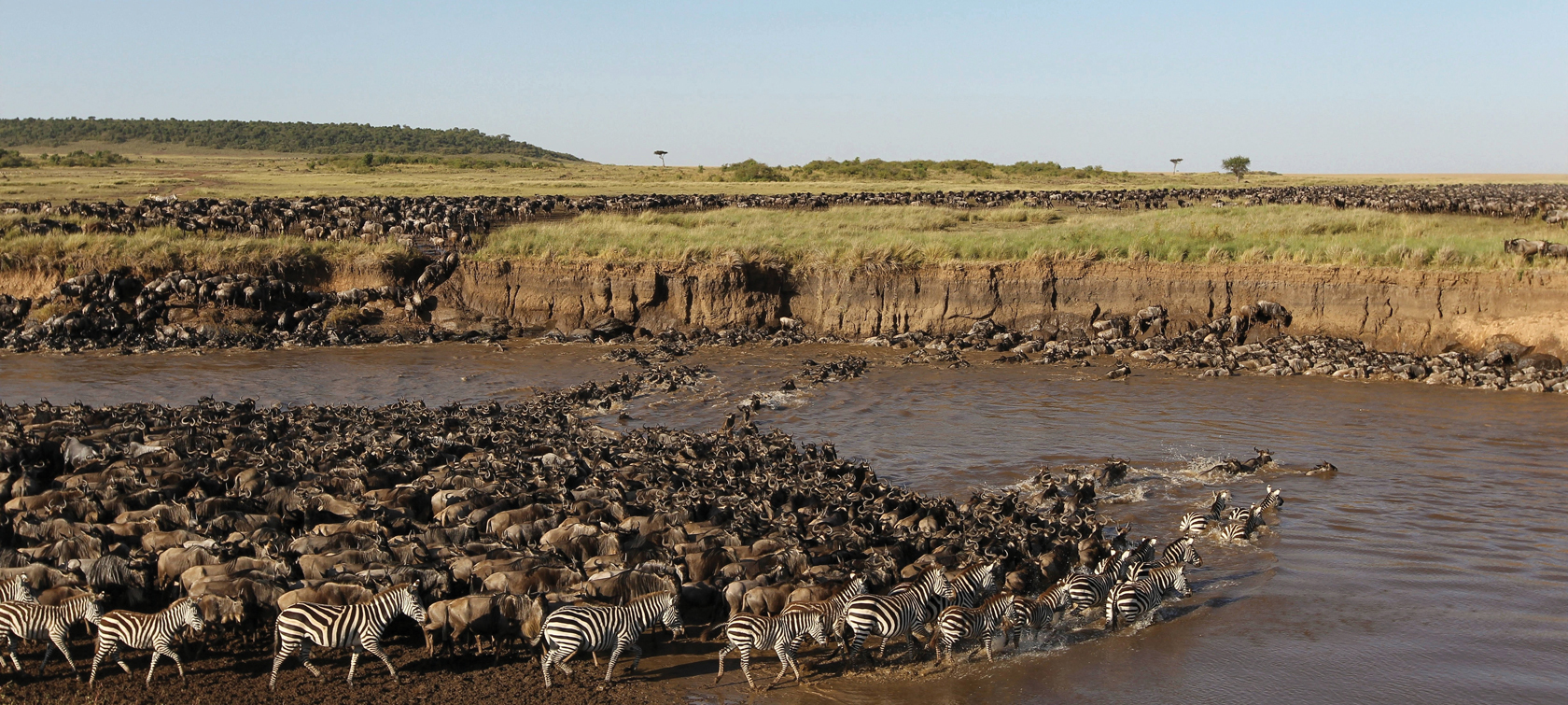
The Great Migration is arguably the most famous migration event in Africa, if not the world. It involves over 1.5 million wildebeest, accompanied by hundreds of thousands of zebras and gazelles, as they traverse the Serengeti-Mara ecosystem in search of greener pastures. This annual journey covers a distance of approximately 1,800 miles and is driven by the seasonal rains that transform the dry plains into lush grazing grounds.
The migration is a continuous cycle, with no definitive start or end. However, it is typically divided into several key stages:
- Calving Season (January to March): The migration begins in the southern Serengeti, where wildebeest give birth to thousands of calves. This is a critical time for the herd, as predators such as lions and hyenas are on the prowl, looking for easy prey.
- The Journey North (April to June): As the dry season approaches, the herds move northward in search of fresh grazing lands. This is a perilous journey, as they must cross rivers teeming with crocodiles and navigate through predator-rich territories.
- The Mara River Crossing (July to September): One of the most dramatic moments of the migration is the crossing of the Mara River. Thousands of animals plunge into the water, risking their lives to reach the fertile plains of the Maasai Mara in Kenya.
- The Return South (October to December): After spending several months in the Mara, the herds begin their journey back to the Serengeti, completing the cycle.
Why Do Animals Migrate?
Migration is primarily driven by the need for food and water. In the case of the Great Migration, the wildebeest and other herbivores follow the rains, which bring new growth to the grasslands. This ensures that they have access to the resources they need to survive and reproduce.
In addition to food, migration also plays a crucial role in the reproductive cycle of many species. For example, the wildebeest calving season is timed to coincide with the availability of fresh grass, which provides the necessary nutrients for lactating mothers and their newborns.
Other Notable Migrations in Africa
While the Great Migration is the most famous, it is by no means the only significant migration event in Africa. The continent is home to a wide variety of migratory species, each with its own unique journey.
Bird Migrations
Africa is a critical stopover for millions of migratory birds, many of which travel thousands of miles between their breeding and wintering grounds. Some of the most notable bird migrations include:
- The Amur Falcon: These small raptors undertake one of the longest migrations of any bird species, traveling from their breeding grounds in Siberia to southern Africa. Along the way, they stop in India and other parts of Asia before crossing the Indian Ocean to reach Africa.
- The White Stork: White storks migrate from Europe to Africa, with some individuals traveling as far as South Africa. They rely on thermal updrafts to soar over long distances, often covering more than 12,000 miles during their round-trip journey.
- The Barn Swallow: Barn swallows breed in Europe and Asia before migrating to sub-Saharan Africa for the winter. These agile birds are known for their acrobatic flight and can cover up to 200 miles per day during migration.
Elephant Migrations
Elephants are known for their long-distance migrations, which are driven by the availability of food and water. In dry regions such as Namibia and Botswana, elephants travel hundreds of miles between water sources, often following ancient migratory routes that have been passed down through generations.
Elephant migrations are crucial for the health of ecosystems, as they help to disperse seeds and create pathways through dense vegetation. However, these migrations are increasingly threatened by habitat loss and human-wildlife conflict, as expanding agricultural and urban areas encroach on traditional migratory routes.
Whale Migrations
Off the coast of Africa, several species of whales undertake long migrations between their feeding and breeding grounds. The humpback whale, for example, migrates from the cold waters of the Southern Ocean to the warmer waters off the coast of East Africa, where they give birth to their calves.
These migrations are essential for the survival of whale populations, as the nutrient-rich waters of the Southern Ocean provide the food they need to build up energy reserves for the long journey to their breeding grounds.
Challenges Faced by Migratory Species
While migration is a natural and necessary part of life for many species, it is not without its challenges. Migratory animals face a variety of threats, both natural and human-induced, that can impact their ability to complete their journeys.
Natural Threats
- Predation: Migrating animals are often more vulnerable to predators, as they must travel through unfamiliar territories and cross dangerous obstacles such as rivers and mountains. For example, during the Great Migration, wildebeest and zebras must navigate through areas teeming with lions, hyenas, and crocodiles.
- Weather: Extreme weather events, such as droughts and storms, can disrupt migration patterns and make it more difficult for animals to find food and water. In some cases, animals may be forced to alter their routes or delay their migration, which can have serious consequences for their survival.
Human-Induced Threats
- Habitat Loss: One of the biggest threats to migratory species is habitat loss, as expanding agricultural and urban areas encroach on traditional migratory routes. This can lead to the fragmentation of habitats, making it more difficult for animals to find the resources they need to survive.
- Climate Change: Climate change is altering the timing and availability of resources that migratory species rely on. For example, changes in rainfall patterns can affect the growth of vegetation, while rising sea levels can impact coastal habitats used by migratory birds.
- Poaching and Hunting: Migratory animals are often targeted by poachers and hunters, particularly in regions where they are seen as a source of food or income. For example, elephants are frequently poached for their ivory, while migratory birds are hunted for sport or food.
Conservation Efforts
Despite the many challenges faced by migratory species, there are numerous conservation efforts underway to protect these animals and their habitats.
Protected Areas
One of the most effective ways to protect migratory species is through the establishment of protected areas, such as national parks and wildlife reserves. These areas provide safe havens for animals during their migrations, allowing them to rest and refuel without the threat of human disturbance.
In Africa, several key protected areas play a crucial role in safeguarding migratory species. For example, the Serengeti National Park in Tanzania and the Maasai Mara National Reserve in Kenya are both critical stopovers for the Great Migration.
International Agreements
Many migratory species cross international borders during their journeys, making it essential for countries to work together to protect them. Several international agreements have been established to facilitate cooperation between nations, including:
- The Convention on Migratory Species (CMS): Also known as the Bonn Convention, the CMS is an international treaty that aims to conserve migratory species and their habitats. It provides a framework for countries to collaborate on conservation efforts and share information about migratory species.
- The African-Eurasian Migratory Waterbird Agreement (AEWA): This agreement focuses on the conservation of migratory waterbirds, such as storks, pelicans, and flamingos, across Africa and Eurasia. It encourages countries to protect key habitats and reduce threats such as hunting and pollution.
Community-Based Conservation
In many parts of Africa, local communities play a vital role in the conservation of migratory species. Community-based conservation initiatives empower local people to take an active role in protecting wildlife and their habitats, often by providing alternative sources of income, such as ecotourism.
For example, in Kenya, the Maasai Mara Conservancies are managed by local Maasai communities, who work in partnership with conservation organizations to protect the land and its wildlife. This model has been successful in reducing human-wildlife conflict and ensuring the long-term survival of migratory species.
FAQ: Migration in Africa
1. What is the best time to witness the Great Migration?
The best time to witness the Great Migration depends on which stage of the migration you want to see. The Mara River crossing, one of the most dramatic moments, typically occurs between July and September. However, the calving season in the southern Serengeti, which takes place from January to March, is also a fascinating time to visit.
2. Why do animals migrate in Africa?
Animals migrate in Africa primarily in search of food and water. Seasonal changes in rainfall and vegetation drive many species to move between different regions to ensure they have access to the resources they need to survive and reproduce.
3. What are the main threats to migratory species in Africa?
Migratory species in Africa face a variety of threats, including habitat loss, climate change, poaching, and human-wildlife conflict. These challenges can disrupt migration patterns and make it more difficult for animals to complete their journeys.
4. How can I support the conservation of migratory species?
You can support the conservation of migratory species by donating to conservation organizations, supporting ecotourism initiatives, and raising awareness about the importance of protecting migratory routes and habitats.
5. Are there any international agreements to protect migratory species?
Yes, several international agreements aim to protect migratory species, including the Convention on Migratory Species (CMS) and the African-Eurasian Migratory Waterbird Agreement (AEWA). These agreements encourage countries to work together to conserve migratory species and their habitats.
Conclusion
Migration is a vital part of life for many species in Africa, allowing them to survive in a constantly changing environment. However, these journeys are fraught with challenges, both natural and human-induced. By working together to protect migratory species and their habitats, we can ensure that these incredible journeys continue for generations to come.