
Migration Seasons Kenya
Migration Seasons Kenya
Migration Seasons in Kenya: A Complete Guide to the Great Wildebeest Migration
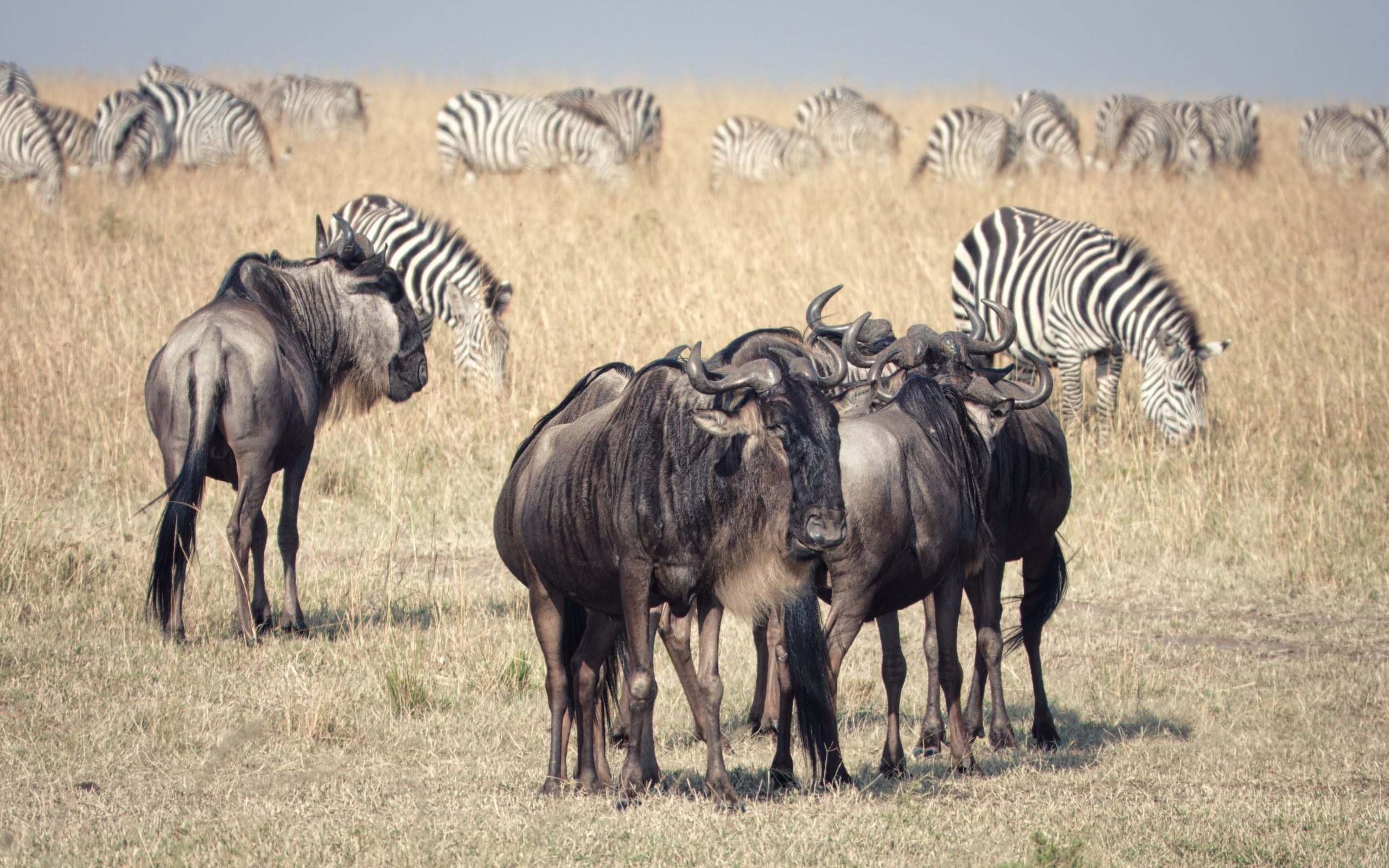
Kenya is one of Africa’s most spectacular safari destinations, and the Great Wildebeest Migration is among the continent’s most unforgettable wildlife experiences. Every year, huge herds of wildebeest, accompanied by zebras and other grazing animals, move across the Maasai Mara ecosystem in search of fresh grass and water.
Understanding the migration seasons in Kenya helps travelers choose the right time for their safari. Whether you want to witness dramatic river crossings, predator encounters, calving wildlife, or simply enjoy excellent game viewing, each period of the migration offers something unique.
For travelers looking to experience Kenya and combine it with an unforgettable East African adventure, Turkana Wildlife Safaris can help create a safari experience tailored to your interests, schedule, and budget.
What Is the Great Wildebeest Migration?
The Great Wildebeest Migration is an annual movement of millions of wildebeest across the Serengeti-Mara ecosystem between Tanzania and Kenya. The animals continuously follow seasonal rains and the availability of fresh grazing.
The migration is not a single event that happens on one specific date. Instead, it is a year-round cycle involving movement between different parts of the ecosystem.
The migration generally includes:
- Wildebeest
- Zebras
- Thomson’s gazelles
- Other grazing animals
- Lions
- Leopards
- Cheetahs
- Hyenas
- Crocodiles
This constant movement creates excellent opportunities for wildlife viewing and photography.
Kenya Migration Season: When Is the Best Time?
The most famous period of the migration in Kenya is generally July to October, when large herds move into the Maasai Mara from Tanzania.
However, the exact timing varies from year to year because the animals respond to rainfall, grass availability, and environmental conditions.
July: Arrival in the Maasai Mara
July is often considered the beginning of the major migration season in Kenya.
Large herds may begin entering the Maasai Mara, although the timing can vary. Some years see early movement, while in other years the herds arrive later.
July can be an excellent month for travelers who want:
- Large concentrations of wildebeest
- Good general game viewing
- Fewer crowds than peak periods in some areas
- Opportunities to see predators following the herds
River crossings may occur during this period, but they are unpredictable.
August: Peak Migration Experiences
August is one of the most popular months for witnessing the migration in Kenya.
Large herds can be present in the Maasai Mara, and the famous Mara River crossings may take place.
These crossings can be spectacular, with thousands of animals gathering near the river before attempting to cross. Crocodiles wait in the water while predators may patrol the surrounding plains.
However, travelers should understand that river crossings are completely natural events. No safari operator can guarantee that a crossing will happen at a particular place or time.
August is ideal for visitors interested in:
- River crossings
- Large wildebeest herds
- Predator action
- Wildlife photography
- Classic Maasai Mara safari experiences
September: Excellent Wildlife Viewing
September remains an excellent migration month.
Depending on rainfall patterns and herd movements, significant numbers of wildebeest may still be found in the Maasai Mara.
The crowds can sometimes begin to decrease compared with the busiest periods, while wildlife viewing remains exceptional.
September is particularly attractive for travelers who want a balance between:
- Excellent wildlife viewing
- Migration opportunities
- Photography
- Comfortable safari conditions
- Potentially fewer visitors than during the busiest weeks
October: The Migration Begins Moving South
By October, the migration may begin moving away from Kenya as the herds follow fresh grazing toward Tanzania.
The exact timing depends heavily on rainfall and local conditions.
Even when the main migration herds have moved south, the Maasai Mara remains an excellent safari destination. Resident wildlife, including lions, elephants, leopards, cheetahs, buffaloes, and giraffes, can still be seen.
The Migration Cycle Throughout the Year
Although Kenya is best known for the migration between July and October, the broader migration cycle continues throughout the year.
January to March: Calving Season
During the early months of the year, large numbers of wildebeest give birth in the southern Serengeti and surrounding areas of Tanzania.
This is an important period in the migration cycle.
Newborn calves attract predators, creating opportunities to observe natural predator-prey interactions.
Travelers interested in:
- Newborn animals
- Predator action
- Wildlife photography
- Fewer crowds
may find this period particularly rewarding.
April to May: The Long Rains
During April and May, rainfall influences the availability of food and water.
The herds begin moving toward areas with fresh grazing, gradually continuing the migration cycle.
This period can offer lush landscapes and excellent photographic scenery, although some roads and safari areas can become challenging because of heavy rainfall.
June: Movement Toward the North
By June, the herds are generally moving northward.
This transitional period can offer fascinating wildlife experiences as animals travel across the Serengeti ecosystem.
June can also provide good safari conditions and is often attractive to travelers who prefer to avoid the busiest peak-season crowds.
July to October: Kenya’s Main Migration Period
This is the period most travelers associate with the Kenyan migration.
The herds enter and move through the Maasai Mara, creating some of East Africa’s most iconic wildlife scenes.
The possibility of witnessing river crossings makes this period especially popular.
Where to See the Migration in Kenya
Maasai Mara National Reserve
The Maasai Mara is the most famous Kenyan destination for the Great Wildebeest Migration.
Its open grasslands provide excellent wildlife viewing, while the Mara River is associated with some of the migration’s most dramatic crossings.
Mara River
The Mara River is one of the best-known locations connected to the migration.
However, visitors should remember that animals do not follow a fixed timetable. They may gather at a crossing point for hours or days before crossing or change direction altogether.
Patience is therefore an important part of a migration safari.
Mara Conservancies
Private conservancies surrounding the Maasai Mara can offer a more exclusive safari experience.
Depending on the conservancy and its regulations, visitors may enjoy fewer vehicles, specialized safari experiences, and a quieter environment.
What Makes Migration Safaris Special?
A migration safari is more than simply seeing large numbers of animals.
It is an opportunity to witness a living ecosystem in motion.
You may see:
- Thousands of wildebeest moving across open plains
- Zebras traveling alongside the herds
- Lions stalking prey
- Cheetahs hunting in the grasslands
- Crocodiles waiting near river crossings
- Elephants and giraffes in the Mara
- Hyenas following migrating herds
- Dramatic African sunsets over the savannah
Every game drive can be different.
Best Time for Photography
For wildlife photographers, July to September is particularly attractive because of the possibility of large herds and dramatic river-crossing scenes.
However, migration photography requires patience.
A professional or serious amateur photographer should consider:
- A telephoto lens
- Extra batteries
- Additional memory cards
- Camera protection against dust
- Binoculars
- Neutral-colored clothing
- A beanbag or other stable camera support
- Early-morning and late-afternoon game drives
The best photographic opportunities are not always predictable, so flexibility is essential.
How Long Should You Spend on a Migration Safari?
A safari of 4 to 7 days can provide a good introduction to the Maasai Mara and migration season.
For travelers who want a deeper experience, 7 to 10 days allows more time to explore different areas and increases the chances of encountering different wildlife situations.
Longer safaris can also be combined with other destinations in Kenya or Uganda.
Combining Kenya and Uganda Safaris
Travelers interested in East Africa do not have to choose between Kenya and Uganda.
A Kenya-Uganda safari can combine the spectacular plains and migration experiences of Kenya with Uganda’s forests, mountains, primates, and diverse wildlife.
A combined itinerary could include:
- Maasai Mara
- Lake Nakuru
- Amboseli
- Kampala
- Murchison Falls
- Queen Elizabeth National Park
- Bwindi Impenetrable National Park
Depending on the traveler’s interests, the itinerary can include traditional game drives, boat safaris, chimpanzee trekking, gorilla trekking, cultural experiences, and photography.
Why Choose Turkana Wildlife Safaris?
Turkana Wildlife Safaris can be a suitable partner for travelers interested in exploring Uganda and combining their safari with experiences across East Africa.
A well-planned safari should take into account the traveler’s preferred dates, wildlife interests, accommodation style, available budget, and desired pace.
For a migration-focused journey, planning ahead is especially important because the most popular months can have high demand for accommodation and safari services.
Turkana Wildlife Safaris can help travelers plan an itinerary that connects their interests with suitable destinations and safari experiences.
Tips for Planning a Kenya Migration Safari
Book Early
July to October is a highly popular period in the Maasai Mara. Booking accommodation and safari services early is recommended, particularly for travel during August and September.
Be Flexible
Never plan your entire trip around a guaranteed river crossing. Migration is controlled by nature, not a safari schedule.
Choose Your Accommodation Carefully
Options range from luxury lodges and tented camps to mid-range and budget-friendly camps.
Your accommodation location can make a major difference to your daily safari experience.
Consider a Private Safari
Private safaris offer greater flexibility with game-drive schedules and photography stops.
Carry Appropriate Clothing
Pack lightweight, comfortable clothing suitable for early mornings and warm afternoons. A jacket or fleece can be useful during early game drives.
Protect Your Camera Equipment
Dust and occasional rain can be challenging for camera equipment. Carry protective covers and keep equipment safely stored when not in use.
Respect Wildlife
Maintain a safe distance from animals and follow your guide’s instructions. Never encourage a driver to approach animals in a dangerous or disruptive way simply to obtain a photograph.
Frequently Asked Questions About Migration Seasons in Kenya
1. What is the best month to see the Great Migration in Kenya?
August and September are commonly regarded as excellent months because large herds may be present in the Maasai Mara and river crossings may occur.
2. When does the wildebeest migration arrive in Kenya?
The herds commonly begin entering the Maasai Mara around July, but the exact timing changes each year depending on rainfall and grazing conditions.
3. Can I see a river crossing in August?
Yes, August can offer opportunities to witness Mara River crossings, but no crossing can be guaranteed.
4. Is September a good month for a Kenya safari?
Yes. September can provide excellent wildlife viewing and migration opportunities while sometimes offering slightly fewer visitors than the busiest periods.
5. Is October too late for the migration?
Not necessarily. Migration timing varies. Some herds may remain in the Maasai Mara during October, while others may have started moving south.
6. Can I see the Big Five during migration season?
Yes. The Maasai Mara is home to lions, leopards, elephants, buffaloes, and rhinos, although sightings of individual species cannot be guaranteed.
7. How long should a Kenya migration safari be?
A 4-to-7-day safari can work well, while 7-to-10 days provides more time for exploration and wildlife viewing.
8. What should I pack for a migration safari?
Important items include lightweight clothing, warm layers for early mornings, comfortable shoes, sunscreen, insect repellent, binoculars, a camera, spare batteries, and personal medication.
9. Can I combine Kenya with Uganda?
Yes. A Kenya-Uganda safari can combine the Maasai Mara migration experience with Uganda’s national parks, primate experiences, and cultural attractions.
10. Can Turkana Wildlife Safaris organize a Kenya and Uganda safari?
Turkana Wildlife Safaris can assist travelers interested in planning an East African safari experience that includes Uganda and Kenya, depending on the itinerary and services required.
Conclusion
The migration seasons in Kenya offer some of the most extraordinary wildlife experiences in Africa. Although July to October is the main period for seeing migrating herds in the Maasai Mara, the Great Wildebeest Migration is actually a continuous natural cycle that takes place throughout the year.
August and September are particularly popular for travelers hoping to witness large herds and possible Mara River crossings, while other months offer calving, predator activity, changing landscapes, and excellent resident wildlife viewing.
The most important thing to remember is that nature does not operate according to a fixed calendar. Rainfall, food availability, and environmental conditions determine where the herds travel.
With thoughtful planning, a knowledgeable safari team, and enough time to explore, your Kenya migration safari can become an unforgettable East African adventure.
For travelers interested in extending the journey beyond Kenya, Turkana Wildlife Safaris can help create a customized Uganda and East Africa safari combining wildlife, landscapes, culture, and some of the continent’s most remarkable natural experiences.