
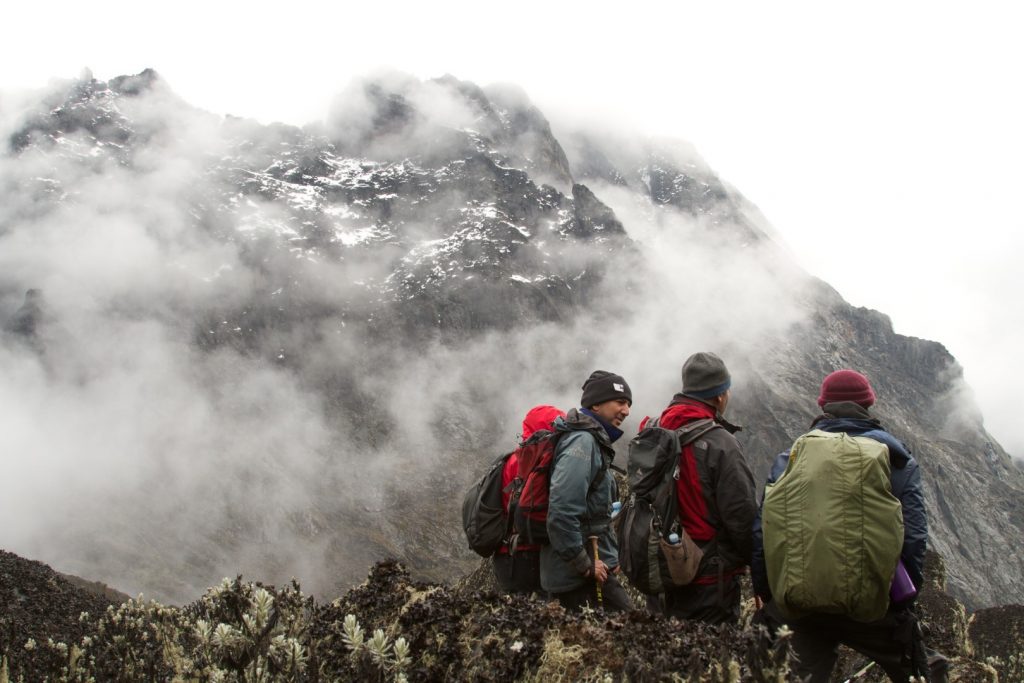
Mountain Hiking in Uganda
Mountain Hiking in Uganda
Mountain Hiking in Uganda: A Complete Guide to Exploring the Pearl of Africa
Uganda, often referred to as the “Pearl of Africa,” is a haven for adventure enthusiasts and nature lovers. Its breathtaking landscapes, diverse ecosystems, and towering mountain ranges make it a prime destination for mountain hiking. From the snow-capped peaks of the Rwenzori Mountains to the volcanic summits of Mount Elgon, Uganda offers a unique hiking experience for both seasoned trekkers and beginners. In this comprehensive guide, we’ll explore the best hiking destinations, tips for preparation, and everything you need to know to make the most of your mountain hiking adventure in Uganda.
Why Choose Uganda for Mountain Hiking?
Uganda’s diverse geography is one of its greatest assets. The country boasts a variety of terrains, ranging from lush rainforests to rugged mountain ranges. Here’s why Uganda should be on your bucket list for hiking:
- Diverse Mountain Ranges: Uganda is home to iconic mountain ranges like the Rwenzori Mountains (also known as the “Mountains of the Moon”) and Mount Elgon, offering trails for all skill levels.
- Unique Flora and Fauna: Hiking in Uganda provides an opportunity to encounter rare wildlife, including mountain gorillas, golden monkeys, and unique bird species.
- Cultural Experiences: Many hiking routes pass through local communities, allowing you to interact with Uganda’s rich cultural heritage.
- Unspoiled Beauty: Unlike more commercialized hiking destinations, Uganda’s trails are relatively untouched, offering a serene and authentic experience.
Top Mountain Hiking Destinations in Uganda
1. Rwenzori Mountains National Park
Known as the “Mountains of the Moon,” the Rwenzori Mountains are a UNESCO World Heritage Site and one of Uganda’s most iconic hiking destinations. The range includes Mount Stanley, which features the Margherita Peak—the third-highest point in Africa at 5,109 meters.
- Highlights:
- Snow-capped peaks and glaciers.
- Unique vegetation zones, including bamboo forests and alpine meadows.
- Rare wildlife like the Rwenzori turaco and forest elephants.
- Popular Trails:
- The Central Circuit Trail (7-9 days).
- Kilembe Trail (6-8 days).
Learn more about the Rwenzori Mountains.
2. Mount Elgon National Park
Located on the Uganda-Kenya border, Mount Elgon is an extinct volcano with one of the largest calderas in the world. Its highest peak, Wagagai, stands at 4,321 meters.
- Highlights:
- Stunning waterfalls, including Sipi Falls.
- Caves and hot springs along the trails.
- Rich biodiversity, including colobus monkeys and over 300 bird species.
- Popular Trails:
- Sasa Trail (4-5 days): The shortest but steepest route.
- Sipi Trail (5-6 days): A scenic route passing through Sipi Falls.
- Piswa Trail (6-7 days): A gentler ascent with panoramic views.
Discover more about Mount Elgon.
3. Mgahinga Gorilla National Park
While primarily known for gorilla trekking, Mgahinga also offers a fantastic hiking experience with its three volcanic peaks: Mount Muhabura, Mount Gahinga, and Mount Sabyinyo.
- Highlights:
- Spectacular views of the Virunga Mountains.
- Opportunities to see golden monkeys and gorillas.
- Cultural encounters with the Batwa people.
- Popular Trails:
- Mount Muhabura Hike (4,127 meters): A challenging one-day hike.
- Mount Gahinga Hike (3,474 meters): A moderate hike through bamboo forests.
- Mount Sabyinyo Hike (3,669 meters): A unique hike crossing three countries (Uganda, Rwanda, and DRC).
Explore Mgahinga Gorilla National Park.
4. Mount Moroto
For those seeking an off-the-beaten-path adventure, Mount Moroto in northeastern Uganda offers a rugged and remote hiking experience. Standing at 3,083 meters, it’s part of the Karamoja region, known for its unique culture and landscapes.
- Highlights:
- Untouched wilderness and solitude.
- Interaction with the Karamojong people.
- Stunning views of the surrounding savannah.
- Popular Trails:
- Day hikes and multi-day treks guided by local experts.
5. Mount Kadam
Another hidden gem in the Karamoja region, Mount Kadam offers a less crowded but equally rewarding hiking experience. Its trails are less developed, making it ideal for adventurous hikers.
- Highlights:
- Pristine landscapes and diverse ecosystems.
- Opportunities to spot unique bird species.
- Cultural experiences with local communities.
Tips for a Successful Hiking Experience in Uganda
- Plan Ahead: Research your chosen trail and ensure you have the necessary permits, especially for national parks.
- Hire a Guide: Local guides are not only knowledgeable about the terrain but also enhance your safety.
- Pack Wisely:
- Sturdy hiking boots.
- Warm clothing for high altitudes.
- Rain gear, as Uganda’s weather can be unpredictable.
- Snacks and plenty of water.
- Acclimatize: For high-altitude hikes like the Rwenzori Mountains, allow time to acclimatize to prevent altitude sickness.
- Respect Nature: Follow Leave No Trace principles to preserve Uganda’s natural beauty.
Best Time for Mountain Hiking in Uganda
Uganda’s climate is generally favorable for hiking year-round, but the best time to visit is during the dry seasons:
- December to February: Ideal for clear skies and dry trails.
- June to August: Another dry season with excellent hiking conditions.
Avoid the rainy seasons (March to May and September to November), as trails can become slippery and challenging.
Frequently Asked Questions (FAQ)
1. What is the best mountain to hike in Uganda?
The Rwenzori Mountains are considered the best for experienced hikers due to their challenging trails and stunning scenery. For beginners, Mount Elgon offers a more accessible but equally rewarding experience.
2. Do I need a guide for hiking in Uganda?
Yes, hiring a guide is highly recommended. Most national parks require you to hike with a licensed guide for safety and to enhance your experience.
3. What should I pack for mountain hiking in Uganda?
Essential items include sturdy hiking boots, warm clothing, rain gear, a first aid kit, snacks, and plenty of water. Don’t forget a camera to capture the breathtaking views!
4. Are there any cultural experiences during hikes?
Yes, many trails pass through local communities, offering opportunities to interact with Uganda’s diverse cultures, such as the Batwa and Karamojong people.
5. Is mountain hiking in Uganda safe?
Yes, mountain hiking in Uganda is generally safe, especially when you follow guidelines, hire a guide, and prepare adequately.
Conclusion
Mountain hiking in Uganda is a once-in-a-lifetime experience that combines adventure, natural beauty, and cultural immersion. Whether you’re scaling the snow-capped peaks of the Rwenzori Mountains or exploring the volcanic landscapes of Mount Elgon, Uganda offers something for every hiker. Plan your trip, pack your gear, and get ready to discover the Pearl of Africa in all its glory.