
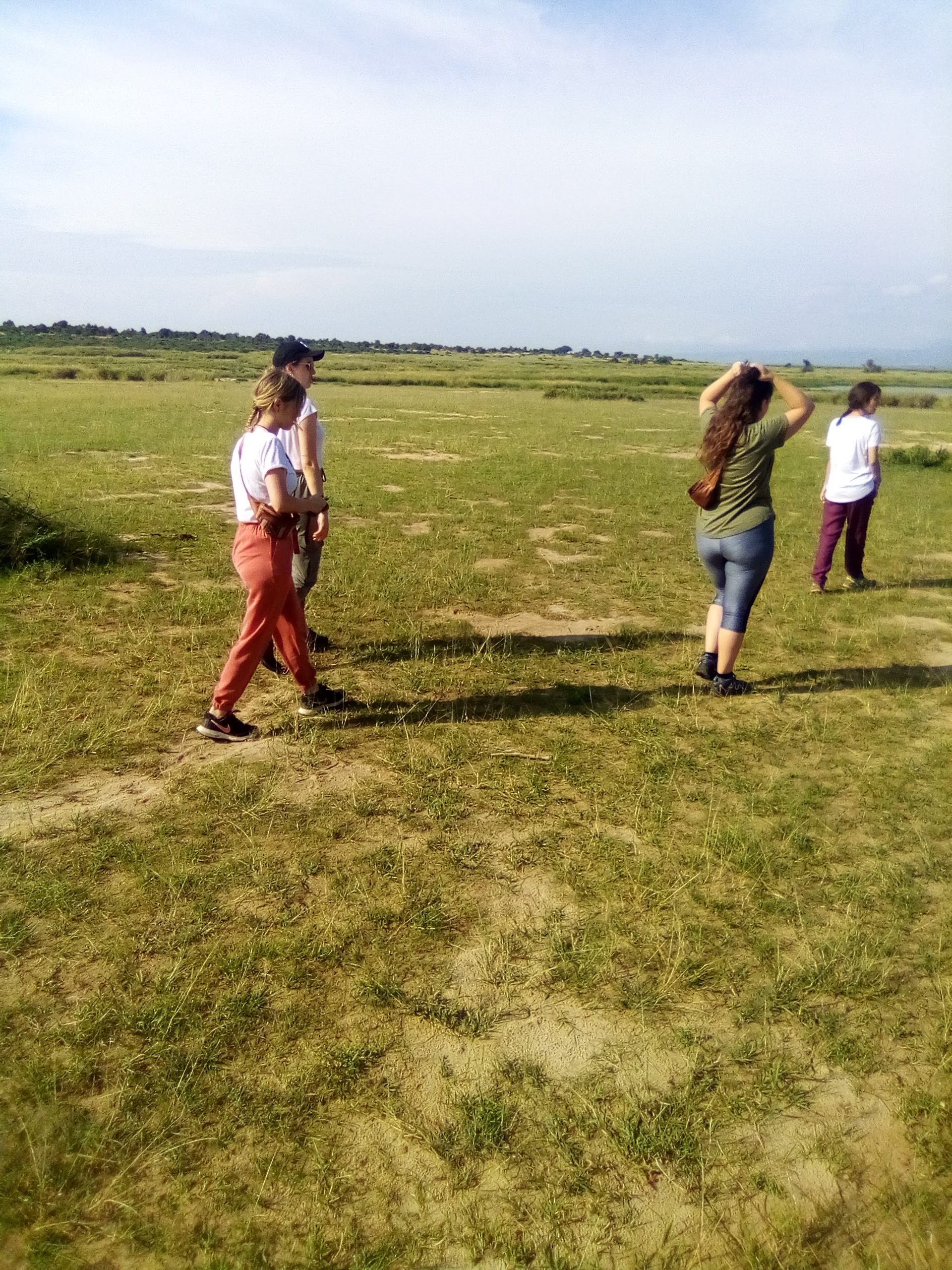
Uganda Trekking
Uganda Trekking
The Ultimate Guide to Uganda Trekking: Discover the Pearl of Africa
Uganda, often referred to as the “Pearl of Africa,” is a land of breathtaking landscapes, diverse wildlife, and unforgettable trekking experiences. From the misty mountains of Bwindi to the rugged peaks of the Rwenzori Range, Uganda offers some of the most rewarding trekking adventures in the world. This guide will take you through everything you need to know about trekking in Uganda, from the best trails to practical tips for an unforgettable journey.
Why Trekking in Uganda is Unique
Uganda stands out as a trekking destination due to its unparalleled biodiversity and unique landscapes. Whether you’re trekking through dense rainforests, climbing snow-capped mountains, or walking alongside the majestic Nile River, Uganda offers a variety of terrains that cater to all levels of trekkers.
Highlights of Trekking in Uganda:
- Gorilla Trekking in Bwindi Impenetrable Forest: A once-in-a-lifetime opportunity to see mountain gorillas in their natural habitat.
- Rwenzori Mountains: Known as the “Mountains of the Moon,” these peaks offer challenging climbs and stunning alpine scenery.
- Mount Elgon: A less-crowded trekking destination with beautiful waterfalls and caves.
- Kibale Forest: Famous for chimpanzee trekking and birdwatching.
- Queen Elizabeth National Park: Home to diverse wildlife and scenic walking safaris.
Top Trekking Destinations in Uganda
1. Bwindi Impenetrable Forest National Park
Bwindi is a UNESCO World Heritage Site and one of the most popular trekking destinations in Uganda. The park is home to nearly half of the world’s remaining mountain gorillas, making it a prime spot for gorilla trekking.
- What to Expect: Trekking through dense rainforest, steep trails, and muddy paths.
- Best Time to Visit: June to September and December to February.
- Permits: Gorilla trekking permits are required and must be booked in advance.
Learn more about gorilla trekking in Bwindi.
2. Rwenzori Mountains National Park
The Rwenzori Mountains, also known as the “Mountains of the Moon,” are a haven for experienced trekkers. The park features snow-capped peaks, glaciers, and unique flora and fauna.
- Key Highlights:
- Margherita Peak (5,109 meters), the third-highest peak in Africa.
- Stunning alpine lakes and waterfalls.
- Difficulty Level: Challenging; suitable for experienced trekkers.
- Best Time to Visit: December to February and June to August.
Explore the Rwenzori Mountains.
3. Mount Elgon National Park
Mount Elgon is an extinct volcano located on the Uganda-Kenya border. It offers a less strenuous trekking experience compared to the Rwenzori Mountains.
- Key Attractions:
- Sipi Falls: A series of beautiful waterfalls near the park.
- Wagagai Peak (4,321 meters): The highest point on Mount Elgon.
- Best Time to Visit: All year round, but dry seasons are preferable.
4. Mgahinga Gorilla National Park
This park is part of the Virunga Mountains and offers a unique trekking experience. It’s another excellent location for gorilla trekking and also features golden monkey tracking.
- Key Highlights:
- Mount Muhabura, Mount Gahinga, and Mount Sabinyo: Three volcanic peaks you can climb.
- Rich cultural experiences with the Batwa pygmies.
- Best Time to Visit: June to September and December to February.
5. Kibale Forest National Park
Kibale is famous for its chimpanzee trekking experiences. The park is also a birdwatcher’s paradise, with over 370 bird species.
- What to Expect:
- Guided treks to see chimpanzees.
- Beautiful forest trails and diverse wildlife.
- Best Time to Visit: December to February and June to September.
Practical Tips for Trekking in Uganda
1. Permits and Regulations
- Gorilla and chimpanzee trekking require permits, which should be booked months in advance.
- Follow park regulations to protect wildlife and the environment.
2. Packing Essentials
- Clothing: Lightweight, moisture-wicking clothes, sturdy hiking boots, and a waterproof jacket.
- Gear: Trekking poles, a daypack, and a good-quality camera.
- Other Essentials: Insect repellent, sunscreen, and a reusable water bottle.
3. Physical Fitness
- Some treks, like those in the Rwenzori Mountains, require a high level of fitness.
- Prepare with regular hikes and cardio exercises before your trip.
4. Hiring Guides and Porters
- Local guides are mandatory for most trekking routes.
- Porters can be hired to carry your gear, allowing you to focus on the trek.
Best Time for Trekking in Uganda
Uganda has two dry seasons, which are the best times for trekking:
- June to September: Ideal for gorilla trekking and mountain climbing.
- December to February: Perfect for wildlife safaris and forest treks.
The rainy seasons (March to May and October to November) can make trails muddy and challenging but are great for birdwatching.
FAQs About Trekking in Uganda
1. Do I need a permit for gorilla trekking?
Yes, a gorilla trekking permit is required and must be booked in advance. Permits can be obtained through the Uganda Wildlife Authority or licensed tour operators.
2. What is the best time to visit Uganda for trekking?
The best time is during the dry seasons: June to September and December to February. These months offer better trail conditions and wildlife visibility.
3. Is trekking in Uganda safe?
Yes, trekking in Uganda is generally safe. Always follow the guidance of your local guides and adhere to park regulations.
4. What should I pack for trekking in Uganda?
Pack lightweight clothing, sturdy hiking boots, a waterproof jacket, insect repellent, sunscreen, and a reusable water bottle. Don’t forget your camera for capturing the stunning landscapes!
5. Can beginners go trekking in Uganda?
Yes, there are trekking options for all levels. While some trails, like those in the Rwenzori Mountains, are challenging, others, like chimpanzee trekking in Kibale, are suitable for beginners.
Conclusion
Trekking in Uganda is an adventure like no other. From the awe-inspiring mountain gorillas of Bwindi to the majestic peaks of the Rwenzori Mountains, Uganda offers a diverse range of trekking experiences that cater to all levels of adventurers. With proper preparation and a sense of adventure, you can explore the “Pearl of Africa” and create memories that will last a lifetime.