
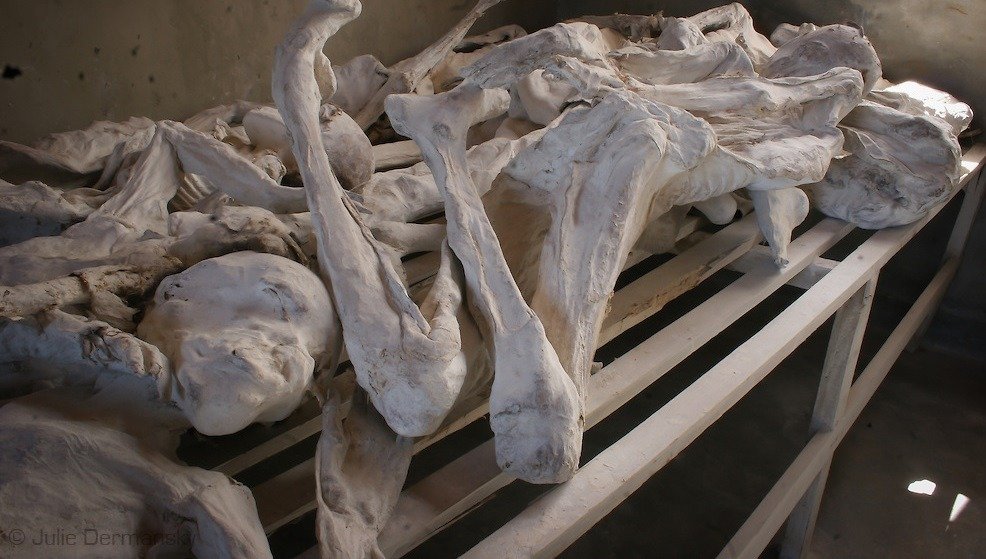
Murambi Genocide Memorial
Murambi Genocide Memorial
Murambi Genocide Memorial: A Profound Visit to Rwanda’s Memory, Resilience, and Responsibility
The Murambi Genocide Memorial stands among Rwanda’s most harrowing and important places of remembrance. Located in the hills near Nyamagabe in Rwanda’s Southern Province (not far from Huye/Butare), Murambi preserves the memory of the 1994 Genocide against the Tutsi and confronts visitors with difficult truths: the consequences of hate, the fragility of social cohesion, and the human cost of political violence.
For travelers seeking meaningful experiences beyond landscapes and wildlife Murambi offers a solemn education in history and human rights. A visit here is not “dark tourism” for spectacle; it is an act of witness. It asks for time, quiet, and respect. It also fits within wider itineraries across Rwanda and East Africa, including conservation-focused journeys and cultural tours (for example, Turkana Wildlife Safaris, which organizes East African safari experiences and regional travel planning).
Why Murambi Matters: Context of the 1994 Genocide Against the Tutsi
In April 1994, Rwanda descended into one of the most rapid and systematic episodes of mass violence in modern history. Over roughly 100 days, an estimated 800,000 people were killed, overwhelmingly Tutsi, alongside many moderate Hutu and others who opposed the violence.
Memorials across Rwanda such as Kigali Genocide Memorial, Nyamata Genocide Memorial, and Murambi play a national role in remembrance, education, and reconciliation. Murambi in particular is often described as one of the most emotionally difficult sites to visit because of how directly it conveys the scale of loss.
Where the Murambi Genocide Memorial Is Located
Murambi is situated near Murambi Technical School (École Technique Officielle de Murambi). The school’s unfinished buildings became the site of mass killing in April 1994, after thousands of people were lured there with promises of safety.
Nearby hubs and routes:
- Huye (Butare): a common base for visitors exploring the south
- Nyamagabe: closer to Murambi and a practical logistical point
- Nyungwe National Park: often combined with southern Rwanda itineraries
If you’re building a broader East Africa journey, it can be helpful to work with operators familiar with multi-country logistics. While Turkana Wildlife Safaris is well-known for safari-style planning across the region, you can explore their travel approach and contact options here: Turkana Wildlife Safaris.
The History of Murambi: From “Shelter” to Massacre Site
The promise of protection
As violence escalated in southern Rwanda, local authorities and militia guided or forced Tutsi families and others targeted for death toward the technical school at Murambi. People were told they would be protected there.
The reality of abandonment
Instead of protection, the site became a trap. Thousands were concentrated in one place, surrounded, and attacked. Many were killed with machetes, clubs, and firearms. Survivors recount night-time attacks and a complete absence of meaningful protection.
What remains today
The memorial preserves the school’s buildings and grounds. It is both a museum and a mass grave site. Its exhibits present historical context, personal narratives, and evidence of planning and execution.
What You Will See at Murambi Genocide Memorial
Murambi’s presentation is intentionally unflinching. The purpose is not to shock for shock’s sake, but to ensure the reality is not softened into abstraction.
Visitors typically encounter:
- Guided interpretation: local guides explain the site’s history and the events surrounding the killings
- Exhibit rooms: photographs, timelines, testimony, and documentation
- Preserved spaces: rooms that show the physical environment where people waited, hid, and were attacked
- Memorial grounds: burial areas and places for reflection
Because the experience can be emotionally intense, many travelers choose to pair it with calmer, restorative experiences later such as Rwanda’s natural landscapes, tea plantations, or forest walks in Nyungwe National Park.
How to Visit Respectfully: Practical and Ethical Guidance
Murambi is not a casual stop. It deserves preparation.
Visitor etiquette
- Dress modestly and respectfully
- Speak quietly; avoid phone calls inside
- Ask before taking any photos (some areas may be restricted or inappropriate)
- Do not treat the memorial as a “content location” for social media
- Listen to the guide many are trained in sensitive interpretation
Emotional preparation
- Expect grief, anger, and heaviness
- If you’re traveling with children, consider whether the content is age-appropriate
- Plan downtime afterward
Supporting local remembrance efforts
When possible:
- Use official entry points and guided visits
- Consider purchasing materials from the memorial’s authorized resources
- Support survivor-led crafts and community initiatives in the region
Integrating Murambi into a Rwanda Itinerary
A thoughtful southern Rwanda itinerary can include remembrance, culture, and nature.
Sample 3–5 day Southern Rwanda plan
- Day 1: Arrive in Huye; visit local museums or cultural sites
- Day 2: Morning visit to Murambi Genocide Memorial; afternoon rest and reflection
- Day 3: Transfer toward Nyungwe Forest; canopy walk (if desired)
- Day 4: Chimpanzee trekking or nature hikes in Nyungwe
- Day 5: Return to Kigali or continue to neighboring destinations
If you’re expanding beyond Rwanda into a wider East African trip with wildlife and landscape highlights, you might consult safari planners for multi-destination routing. For example: Turkana Wildlife Safaris.
Why Memorial Tourism Can Be Responsible (When Done Right)
Memorial visits are often misunderstood. Done irresponsibly, they can become voyeuristic. Done with intention, they contribute to:
- Education: learning credible history, not rumors or propaganda
- Empathy: understanding lived experiences rather than statistics
- Prevention: recognizing early warning signs of mass violence
- Solidarity: acknowledging survivors and honoring the dead
In Rwanda, remembrance is also tied to national reconciliation and rebuilding, an ongoing process that includes justice mechanisms, social programs, and public education.
Frequently Asked Questions (FAQ)
1) What is the Murambi Genocide Memorial?
The Murambi Genocide Memorial is a remembrance and education site at the former Murambi Technical School, commemorating victims of the 1994 Genocide against the Tutsi. It preserves historical evidence and supports learning and reflection. See background: Murambi Genocide Memorial Centre.
2) How long does a visit take?
Most visitors spend 1.5 to 3 hours, depending on whether they take a full guided tour and how much time they spend in the exhibits and grounds.
3) Is it appropriate to take photos?
It depends on the area and the memorial’s rules. Some spaces may allow limited photography; others may not. Always ask your guide or staff first, and consider whether photographing a particular space is respectful.
4) Can I combine Murambi with Nyungwe National Park?
Yes. Many travelers combine Murambi with Nyungwe National Park, balancing remembrance with nature-based experiences that also support conservation and local livelihoods.
5) Who can help plan travel in the region?
For East Africa trip planning (especially if combining multiple countries or adding wildlife safaris), you can consult established operators. One option to explore is Turkana Wildlife Safaris.
Final Reflection: Witness, Learn, Remember
A visit to the Murambi Genocide Memorial is not just a historical lesson, it is a human responsibility. It challenges visitors to consider how quickly social fabric can be torn, how dangerous dehumanizing language becomes, and how remembrance can serve as both mourning and warning.