
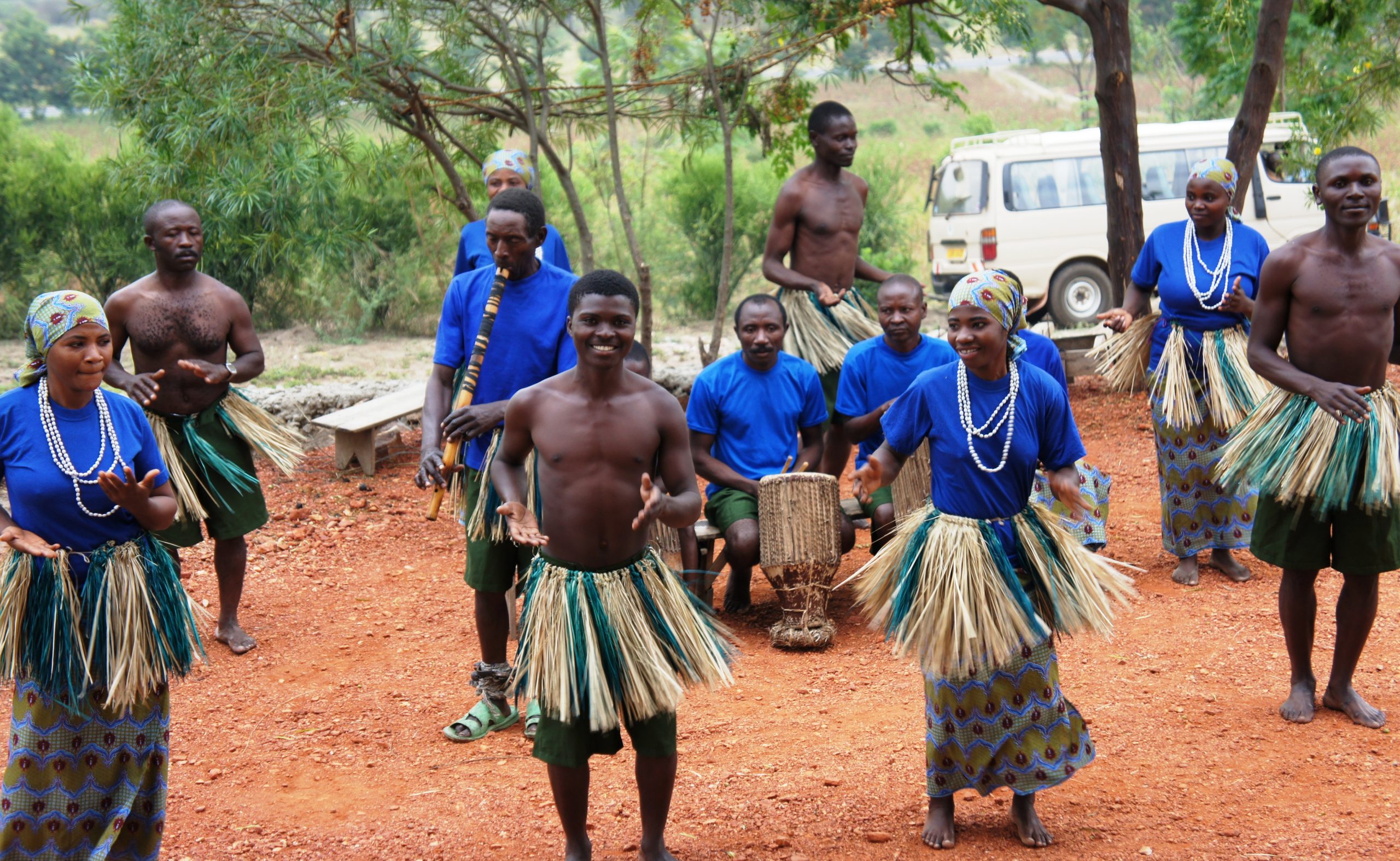
Nyamirambo Cultural Tour
Nyamirambo Cultural Tour
Nyamirambo Cultural Tour: A Deep-Dive Walk Through Kigali’s Most Lively Neighborhood
Nyamirambo is Kigali’s heartbeat in motion an energetic district where daily life, faith, fashion, music, food, and local enterprise intersect in vivid, walkable streets. A Nyamirambo Cultural Tour is not a staged performance; it’s an invitation into a living community that has shaped Kigali’s identity for generations. If you want to experience Rwanda beyond the headline sights, this guided neighborhood walk is one of the most rewarding ways to do it especially when paired with a broader itinerary that includes wildlife, lakes, and regional travel.
This article covers what the tour includes, what to expect, where it goes, how to plan, what to wear, cultural etiquette, accessibility considerations, and how to combine it with other Rwanda and East Africa highlights.
Why Nyamirambo Is the Best Place to Feel Kigali’s Rhythm
Nyamirambo is often described as Kigali’s most vibrant neighborhood and for good reason. It’s historically cosmopolitan, with a strong Muslim presence, bustling markets, street food stalls, salons, tailors, and a constant flow of conversation and commerce.
A guided cultural walk helps you see the area respectfully and insightfully, because a good guide doesn’t just show you streets they translate the social fabric:
- How families and small businesses sustain one another
- What role mosques and churches play in community life
- How fashion and tailoring reflect local creativity
- How food culture ties together tradition and modern tastes
- Why Nyamirambo’s identity is central to Kigali’s story
If you’re planning a complete Rwanda trip, you can pair Kigali’s cultural experiences with nature focused routes.
What a Nyamirambo Cultural Tour Typically Includes
While routes vary by operator and time of day, most Nyamirambo cultural tours are walking-based and focus on everyday life, local entrepreneurship, and respectful community engagement.
Common highlights
- Neighborhood introduction & history
Learn how Nyamirambo developed and why it remains culturally distinctive. - Local market visit
Spices, produce, fabrics, household goods—plus the social dynamics of bargaining and sourcing. - Tailor or fashion stop
Many tours include a tailor shop visit to see how garments are made and fitted. - Hair salon or beauty culture insights
A window into style trends and social routines. - Street food tasting (often optional)
You might try items like grilled skewers, fresh juices, sambusa-style snacks, or local baked goods. - Community initiative visit (depending on operator)
Some tours connect you with women-led cooperatives or vocational programs.
Tip: Ask ahead if your tour supports a community organization and how the funds are used.
Nyamirambo Cultural Tour Itinerary (2–4 Hours)
Here’s a realistic structure you can expect flexible depending on pace and interests.
1) Meet-up and orientation (15–20 minutes)
Your guide sets expectations, etiquette, and photography boundaries. You’ll get context on Nyamirambo’s identity and how to engage respectfully.
2) Main streets and side lanes (45–60 minutes)
You’ll walk through the neighborhood’s daily pulse—shops, schools, cafes, and local hangouts while learning about:
- Community rhythms (workdays vs weekends)
- Changing architecture and urban development
- Language notes (basic Kinyarwanda greetings)
3) Market immersion (30–45 minutes)
Markets are where you’ll feel the neighborhood’s energy most clearly. A guide can help you understand what’s sold and why, and how people shop.
4) Craft, tailoring, or artisan stop (30–45 minutes)
This is often a highlight: tangible, creative, and easy to support via small purchases (if you want).
5) Tea/coffee or snack break (20–30 minutes)
A pause for conversation and reflections often where travelers ask deeper questions.
6) Wrap-up and optional (10–20 minutes)
Some operators can extend into Kigali city highlights or recommend ethical shopping stops.
To integrate this into a multi-day itinerary, you can position it on Day 1 or Day 2 in Kigali before heading to Volcanoes National Park, Nyungwe, or Akagera.
Cultural Etiquette: How to Be a Respectful Visitor
Nyamirambo is welcoming, but respectful travel matters—especially in a living neighborhood.
Photography and filming
- Ask before photographing individuals, children, or shop interiors.
- Your guide may advise when photos are not appropriate (religious sites, private spaces).
- Avoid turning daily life into a “scene.”
Dress recommendations
- Wear modest, comfortable clothing suitable for walking.
- In areas near religious sites, be especially mindful of coverage.
Buying and bargaining
- If bargaining happens, keep it friendly and fair.
- If you can afford the item, don’t pressure for the lowest possible price.
- Ask your guide what’s culturally appropriate.
Conversation sensitivity
- Your guide can help navigate sensitive topics (history, politics, religion).
- Approach discussions with curiosity, not assumptions.
Best Time to Take a Nyamirambo Cultural Tour
Kigali’s weather is relatively mild year-round, but comfort depends on rain patterns.
Seasonal considerations
- Dry seasons (often easier walking): June–September, and parts of December–February
- Rainy seasons: March–May and October–November (showers can be sudden)
Time of day
- Morning tours: Cooler temperatures; markets are active; great for photos in softer light.
- Afternoon tours: Warm; still lively; good if you prefer a slower pace.
What to Wear and Bring
You don’t need special gear, but a few items help.
Essentials
- Comfortable walking shoes (closed-toe preferred)
- Light rain jacket (even in “drier” months)
- Water bottle
- Sunscreen and a hat
- Small cash for snacks or crafts
- A respectful attitude and patience for street-level spontaneity
Optional
- Hand sanitizer or wipes
- A small daypack
- A camera with a strap (avoid flashy setups)
Nyamirambo Food Experiences: What You Might Taste
Food is one of the most immediate ways to connect with place. Your exact tastings depend on the operator and dietary needs, but expect approachable, flavorful options.
Typical bites (varies)
- Fried snacks and pastry-style bites
- Grilled skewers (often beef or goat)
- Fresh fruit or juices
- Tea or coffee in a local setting
If you have allergies, halal preferences, or vegetarian needs, share them in advance, Nyamirambo is generally accommodating, especially with a guide.
Is the Nyamirambo Cultural Tour Safe?
Kigali is widely considered one of the safer capital cities in the region, and guided tours are designed for visitor comfort. As with any city neighborhood experience:
- Stay with your guide
- Keep valuables secure and low-profile
- Avoid wandering off alone into unfamiliar lanes
- Follow local advice regarding evening timing
Guides also help prevent unintentional misunderstandings and ensure your presence remains respectful.
Who Should Take This Tour?
A Nyamirambo cultural walk is ideal for:
- Travelers who want authentic urban culture rather than only national parks
- People interested in local enterprise, community, and daily life
- Photographers who prefer human-centered stories (with permission)
- Families with teens (younger kids can manage if they enjoy walking)
- Solo travelers who want a meaningful, guided introduction to Kigali
How to Combine Nyamirambo With a Rwanda Itinerary
Nyamirambo is in Kigali, so it fits easily at the start or end of a Rwanda journey.
Popular combinations
- Kigali + Nyamirambo + Genocide Memorial (balanced cultural context)
- Kigali + Volcanoes National Park (culture + gorilla trekking)
- Kigali + Akagera National Park (city + classic savanna wildlife)
- Kigali + Nyungwe Forest (city + rainforest canopy walks, primates)
Responsible Tourism: How Your Visit Can Support the Community
A well-run cultural tour can create real value if it channels benefits locally. Here are ways to keep your impact positive:
- Choose operators that employ local guides and support community initiatives
- Buy small items directly from makers (when appropriate)
- Tip fairly if tipping is customary for your operator
- Respect privacy, don’t treat people as attractions
- Leave accurate, thoughtful reviews that highlight ethics and professionalism
Frequently Asked Questions (FAQ)
1) How long is a Nyamirambo Cultural Tour?
Most tours last 2 to 4 hours, depending on the number of stops, pace, and whether food tastings are included.
2) Is the tour suitable for solo travelers?
Yes. It’s a great option for solo visitors because it’s guided, social, and provides context you’d miss walking alone.
3) Can I take children on the tour?
Usually yes, especially for families with kids who enjoy walking and trying new foods. Check in advance about route length and breaks.
4) Will I be able to buy souvenirs?
Yes, commonly from tailors, small shops, and artisan stops. Bring small cash and keep purchases respectful and fair.
5) Do I need to speak Kinyarwanda?
No. Tours are typically guided in English (sometimes French), and your guide can help you learn a few greetings for friendly interactions.