
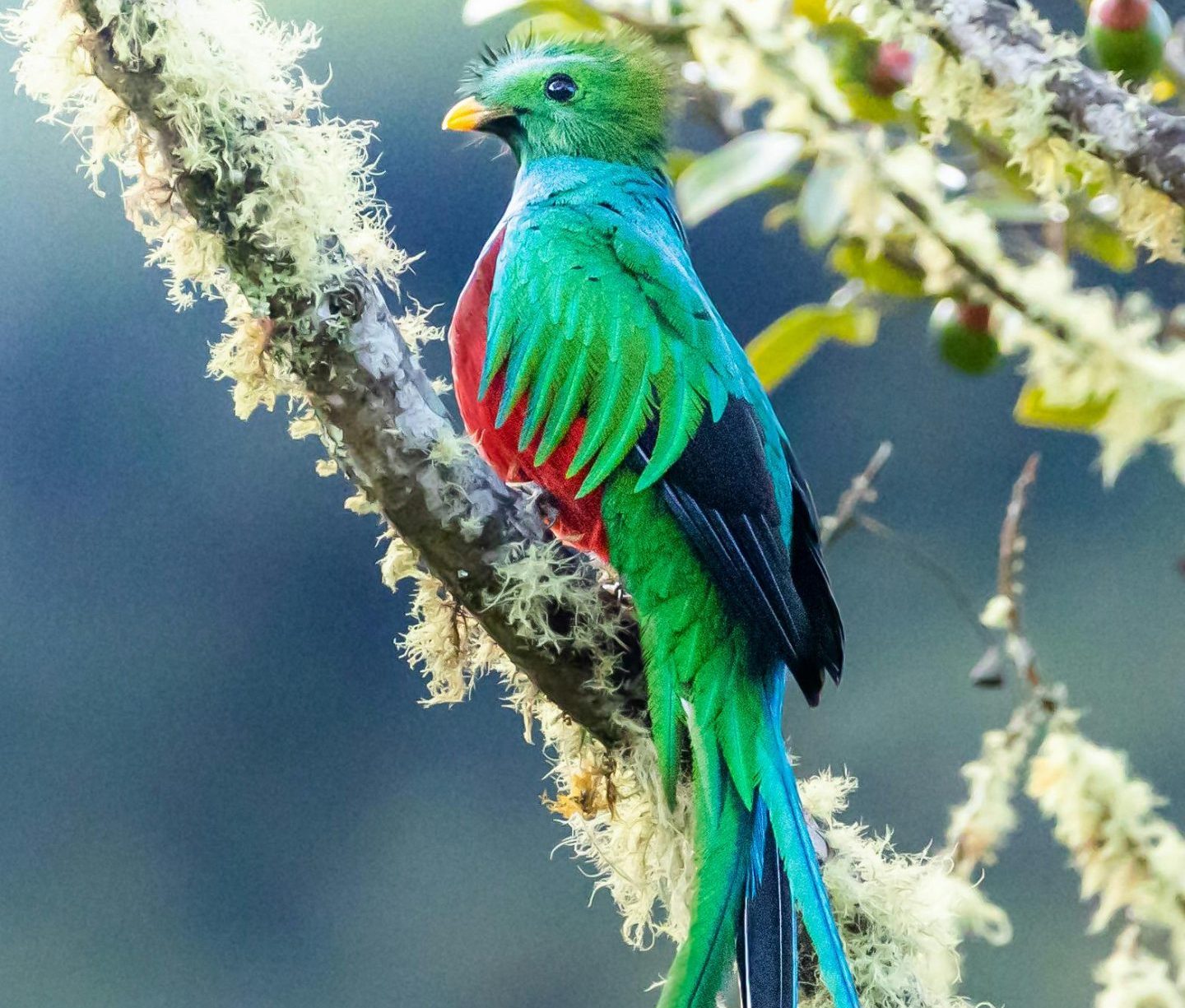
Narina Trogon
Narina Trogon
The Enigmatic Beauty of the Narina Trogon: A Jewel of the African Forests
Introduction
Hidden within the lush canopies of sub-Saharan Africa lies one of the continent’s most captivating avian treasures—the Narina Trogon. Revered for its radiant plumage and elusive nature, this bird is more than just a visual marvel; it is a symbol of biodiversity and ecological balance in tropical forests. In this comprehensive guide, we delve into the world of the Narina Trogon, exploring its habitat, behavior, cultural significance, and conservation status
What is the Narina Trogon?
The Narina Trogon (Apaloderma narina) is a medium-sized bird belonging to the family Trogonidae, known for their vibrant colors and distinctive calls. Native to the forests and woodlands of sub-Saharan Africa, this species is named after Narina, a Khoikhoi woman admired by French explorer François Le Vaillant, who first described the bird in the 18th century.
Key Characteristics
- Scientific Name: Apaloderma narina
- Size: 32–34 cm in length
- Weight: Approximately 60–80 grams
- Coloration: Males exhibit a bright green back, iridescent blue-green head, and vivid red underparts. Females are more subdued with brownish tones.
- Call: A soft, hooting “whoo-whoo-whoo,” often heard before the bird is seen.
Habitat and Distribution
The Narina Trogon thrives in a variety of forested environments, from dense rainforests to open woodlands and riverine forests. Its range extends across much of sub-Saharan Africa, from Senegal in the west to Ethiopia in the east, and down to South Africa.
Preferred Habitats
- Tropical and subtropical forests
- Montane forests
- Wooded savannas
- Riparian zones
These birds are typically found at elevations ranging from sea level to 3,000 meters, depending on the region.
Geographic Range
- West Africa: Ghana, Ivory Coast, Nigeria
- Central Africa: Democratic Republic of Congo, Cameroon
- East Africa: Kenya, Tanzania, Uganda
- Southern Africa: Mozambique, Zimbabwe, South Africa
Explore more on African bird habitats.
Behavior and Ecology
Feeding Habits
The Narina Trogon is an opportunistic feeder, primarily consuming insects and small invertebrates. It also supplements its diet with fruit, especially figs and berries.
Common Prey
- Caterpillars
- Beetles
- Grasshoppers
- Spiders
- Small lizards
These birds often employ a “sit-and-wait” hunting strategy, perching motionless before swooping down on unsuspecting prey.
Breeding and Nesting
The breeding season varies by region but generally coincides with the rainy season when food is abundant.
Nesting Facts
- Nest Type: Natural tree cavities or abandoned woodpecker holes
- Clutch Size: 2–3 eggs
- Incubation: Both parents share duties over a 16–20 day period
- Fledging: Chicks leave the nest after about 20–25 days
The Narina Trogon is monogamous during the breeding season, and both sexes contribute to chick-rearing.
Cultural and Symbolic Significance
In many African cultures, the Narina Trogon is seen as a symbol of beauty and mystery. Its elusive nature and vibrant plumage have inspired folklore and traditional stories.
Symbolism in African Cultures
- Spiritual Messenger: Believed to carry messages from ancestors
- Forest Guardian: Considered a protector of sacred groves
- Symbol of Love: Due to its monogamous behavior and vivid colors
In modern times, the bird has become a favorite among birdwatchers and eco-tourists, further enhancing its cultural value.
Conservation Status
According to the IUCN Red List, the Narina Trogon is currently listed as a species of “Least Concern.” However, habitat destruction and fragmentation pose increasing threats to its populations.
Threats to Survival
- Deforestation: Logging and agricultural expansion
- Habitat Fragmentation: Infrastructure development
- Climate Change: Altered rainfall patterns and forest dynamics
Conservation Efforts
- Protected Areas: Presence in national parks and reserves
- Community Education: Promoting awareness and sustainable practices
- Ecotourism: Encouraging conservation through responsible travel
Organizations like BirdLife International and African Bird Club are actively involved in monitoring and protecting forest bird species, including the Narina Trogon.
Birdwatching and Ecotourism
The Narina Trogon is a sought-after species for birdwatchers visiting Africa. Its striking appearance and melodious call make it a highlight in any birding expedition.
Best Places to Spot the Narina Trogon
- Kruger National Park, South Africa
- Kakamega Forest, Kenya
- Bwindi Impenetrable Forest, Uganda
- Nyungwe Forest, Rwanda
- Dzanga-Sangha Reserve, Central African Republic
Tips for Birdwatchers
- Visit during early morning or late afternoon
- Listen for its distinctive hooting call
- Use binoculars with high clarity
- Wear muted colors to blend into the environment
For more birding tips, check out Audubon’s birdwatching guide.
The Narina Trogon in Photography and Art
Due to its vivid coloration and graceful posture, the Narina Trogon is a favorite subject among wildlife photographers and nature artists.
Photography Tips
- Use a telephoto lens (300mm or more)
- Shoot in natural light for best color rendering
- Be patient—these birds are shy and often remain still for long periods
Artistic Representations
- Featured in African textile designs
- Appears in wildlife paintings and carvings
- Used in educational materials and field guides
Interesting Facts About the Narina Trogon
- Unlike most birds, trogons have heterodactyl feet—two toes facing forward and two backward.
- The Narina Trogon is one of the few African birds with iridescent plumage.
- It often remains motionless for long periods, making it difficult to spot despite its bright colors.
- The species is known to “freeze” when threatened, relying on camouflage rather than flight.
- Its name honors a real woman—Narina, the mistress of a French naturalist.
Summary
The Narina Trogon is a dazzling forest bird native to sub-Saharan Africa, celebrated for its vibrant plumage and elusive behavior. From its ecological role to its cultural symbolism, this bird embodies the richness of Africa’s natural heritage. As habitat threats loom, conservation efforts and ecotourism play a vital role in ensuring its survival. Whether you’re a birder, photographer, or nature enthusiast, the Narina Trogon offers a unique window into the wonders of the African wilderness.
Frequently Asked Questions (FAQ)
1. Where can I see the Narina Trogon in the wild?
You can spot the Narina Trogon in protected areas like Kruger National Park, Bwindi Forest, and Kakamega Forest.
2. What does the Narina Trogon eat?
Its diet includes insects like beetles and caterpillars, as well as fruits such as figs. Learn more about tropical bird diets.
3. Is the Narina Trogon endangered?
Currently, it is listed as “Least Concern” by the IUCN, but habitat loss remains a significant threat.
4. Why is it called the Narina Trogon?
It is named after Narina, a Khoikhoi woman admired by the French explorer François Le Vaillant. Discover more about bird naming conventions.
5. How can I help conserve the Narina Trogon?
Support organizations like BirdLife International and engage in responsible ecotourism.
Final Thoughts
The Narina Trogon is more than a bird—it is a living gem of the African forests, a testament to the continent’s ecological diversity and cultural depth. As we strive to protect our planet’s biodiversity, appreciating and conserving such species becomes not just a duty, but a privilege. Whether through birdwatching, photography, or education, each of us can play a role in preserving the magic of the Narina Trogon for generations to come.