
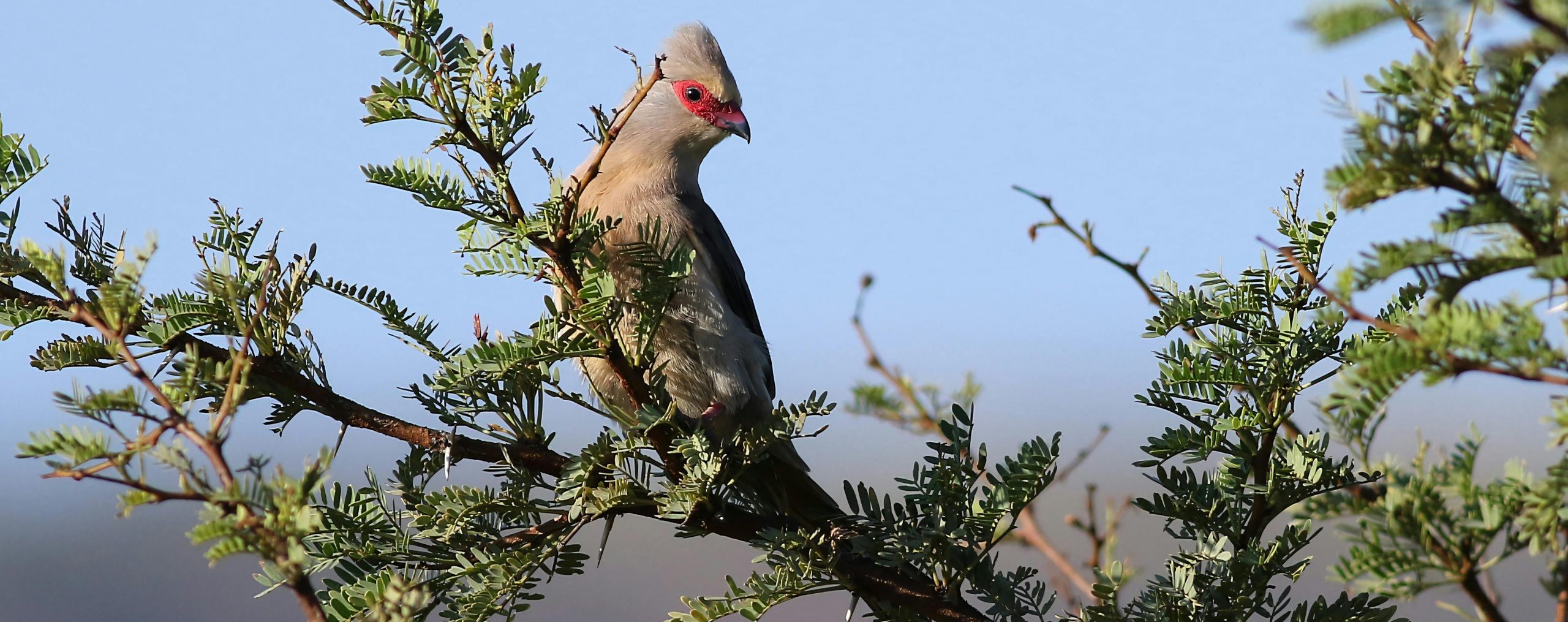
Blue-naped Mousebird
Blue-naped Mousebird
The Blue-naped Mousebird: A Fascinating Journey into the Life of Africa’s Arboreal Acrobat
Introduction
The Blue-naped Mousebird (Urocolius macrourus) is one of Africa’s most intriguing avian species, known for its unique appearance, social behavior, and remarkable agility. Despite its mouse-like movements and tail, this bird is not a rodent but a member of the Coliidae family—an ancient lineage of birds endemic to sub-Saharan Africa. With its soft, dusty plumage, striking blue nape, and long tail, the Blue-naped Mousebird is a marvel of evolutionary adaptation.
In this comprehensive guide, we delve deep into the world of this enigmatic bird. From its taxonomy and physical characteristics to its habitat, diet, and conservation status, this article provides a detailed exploration of everything you need to know about the Blue-naped Mousebird.
Taxonomy and Classification
The Blue-naped Mousebird belongs to the order Coliiformes, which includes only one family: Coliidae. This order is unique to Africa and is considered one of the most ancient branches of modern birds.
- Scientific Name: Urocolius macrourus
- Family: Coliidae
- Order: Coliiformes
- Common Names: Blue-naped Mousebird, Blue-naped Coly
Unlike many other bird families, mousebirds have no close relatives among modern birds, making them a subject of significant interest in avian evolutionary studies.
Physical Characteristics
Size and Shape
The Blue-naped Mousebird is a medium-sized bird, measuring about 28–30 cm (11–12 inches) in length, with more than half of that length attributed to its long, slender tail. It weighs approximately 45–55 grams.
Plumage and Coloration
- Head and Nape: The defining feature is the patch of iridescent blue on the nape, which gives the bird its name.
- Body: The rest of the plumage is soft and dusty brown-grey, offering excellent camouflage in dry savannahs and scrublands.
- Tail: Long and graduated, aiding in balance and maneuverability.
- Feet: Zygodactyl (two toes facing forward and two backward), perfect for climbing and clinging to branches.
Unique Features
- Crest: A subtle crest on the head can be raised or lowered, often used in social signaling.
- Mouse-like Movement: Its scurrying motion along branches and ability to hang upside down resemble that of a rodent, hence the name “mousebird.”
Habitat and Distribution
The Blue-naped Mousebird is widely distributed across sub-Saharan Africa, thriving in a variety of arid and semi-arid environments.
Geographic Range
- Countries: Found in over 30 African nations including Ethiopia, Sudan, Kenya, Uganda, and Nigeria.
- Habitats:
- Acacia woodlands
- Dry savannahs
- Scrublands
- Agricultural lands
- Urban gardens and parks
Adaptability
This species is highly adaptable and often found near human settlements where fruiting trees and shrubs are available. Its ability to thrive in modified landscapes makes it one of the more resilient bird species in Africa.
Behavior and Social Structure
Social Dynamics
Blue-naped Mousebirds are incredibly social, often seen in small flocks of 6–20 individuals. They engage in mutual preening, communal roosting, and cooperative foraging.
- Flocking: Provides safety in numbers and enhances foraging efficiency.
- Roosting: Groups huddle closely on branches, often in a line, to conserve warmth during cooler nights.
Communication
- Vocalizations: Soft, twittering calls used for maintaining contact within flocks.
- Body Language: Crest raising, tail flicking, and wing fluttering are common during interactions.
Locomotion
- Climbing: Uses strong feet and tail for balance while moving through foliage.
- Flight: Short, undulating flights between trees; not strong fliers over long distances.
Diet and Feeding Habits
The Blue-naped Mousebird is primarily frugivorous, but its diet is diverse and opportunistic.
Primary Diet
- Fruits: Figs, berries, and other soft fruits make up the bulk of their diet.
- Leaves and Flowers: Consumes young leaves and flower petals, especially during dry seasons.
- Nectar: Occasionally feeds on nectar, acting as a pollinator.
Foraging Behavior
- Technique: Uses its beak and feet to manipulate food. Often hangs upside down to reach fruit.
- Daily Routine: Forages in the early morning and late afternoon, resting during the hottest part of the day.
Water Intake
Mousebirds rarely drink water directly. They obtain most of their hydration from the moisture in fruits and leaves.
Breeding and Reproduction
Breeding Season
Varies by region but generally coincides with the rainy season when food is abundant.
Nesting
- Nest Type: Cup-shaped nests made of twigs, leaves, and grasses.
- Location: Built in dense shrubs or trees, often well-hidden from predators.
Reproductive Cycle
- Clutch Size: 2–4 eggs
- Incubation: 10–12 days, shared by both parents
- Fledging: Chicks leave the nest around 17–20 days after hatching
Cooperative Breeding
In some cases, older siblings or other flock members assist in feeding and protecting the young, a behavior known as cooperative breeding.
Predators and Threats
Natural Predators
- Birds of prey (e.g., hawks, falcons)
- Snakes
- Small mammals (e.g., genets, mongooses)
Human-Related Threats
- Habitat Loss: Due to agriculture and urbanization
- Pesticides: Contamination of food sources
- Climate Change: Alters food availability and breeding cycles
Despite these threats, the Blue-naped Mousebird is currently listed as “Least Concern” by the IUCN Red List, thanks to its wide distribution and adaptability.
Ecological Role
The Blue-naped Mousebird plays a vital role in its ecosystem.
Seed Dispersal
By consuming fruits and excreting seeds elsewhere, it helps in the propagation of various plant species.
Pollination
Occasional nectar feeding contributes to the pollination of flowering plants.
Pest Control
Feeding on leaves and flowers may help control plant overgrowth and maintain ecological balance.
Cultural Significance
In various African cultures, birds are often symbols of freedom, agility, and spiritual guidance. While the Blue-naped Mousebird is not as prominently featured in folklore as some other species, its unique behavior and appearance make it a subject of curiosity and admiration among birdwatchers and nature enthusiasts.
Conservation Efforts
Although not currently endangered, proactive conservation is essential to ensure the long-term survival of the species.
Key Strategies
- Habitat Preservation: Protecting woodlands and shrublands from deforestation
- Urban Planning: Incorporating green spaces in city planning
- Public Awareness: Educating communities about the ecological importance of native birds
Organizations Involved
- BirdLife International
- African Bird Club
- Local conservation NGOs and wildlife trusts
How to Spot a Blue-naped Mousebird
If you’re in sub-Saharan Africa and want to observe this bird in the wild, here are some tips:
Best Locations
- National parks and wildlife reserves
- Botanical gardens
- Rural farmlands with fruiting trees
What to Look For
- Small flocks moving through trees
- Long-tailed birds with a bluish nape
- Mouse-like scurrying along branches
Best Time of Day
- Early morning and late afternoon are peak activity periods
Fun Facts About the Blue-naped Mousebird
- It can sleep upside down like a bat!
- Despite its name, it’s not related to mice or rodents.
- It’s one of only six species in the entire Coliidae family.
- Its feathers have a powdery texture, unlike the sleek feathers of most birds.
- It can survive in arid areas where water is scarce, thanks to its fruit-based diet.
Frequently Asked Questions (FAQ)
1. What makes the Blue-naped Mousebird different from other birds?
The Blue-naped Mousebird is unique due to its zygodactyl feet, long tail, and rodent-like movement. It belongs to a distinct order of birds found only in Africa, making it evolutionarily significant.
2. Is the Blue-naped Mousebird endangered?
No, it is currently listed as “Least Concern” on the IUCN Red List. However, habitat loss and climate change could pose future threats.
3. What does the Blue-naped Mousebird eat?
Its diet includes fruits, young leaves, flowers, and occasionally nectar. It rarely drinks water, relying on moisture from its food.
4. Where can I see a Blue-naped Mousebird in the wild?
They are commonly found in sub-Saharan Africa, especially in dry savannahs, scrublands, and even urban gardens with fruiting trees.
5. Do Blue-naped Mousebirds make good pets?
No. These are wild birds with complex social and dietary needs. Capturing or keeping them as pets is discouraged and may be illegal in some countries.
Conclusion
The Blue-naped Mousebird is a testament to the diversity and adaptability of Africa’s avian life. With its distinctive appearance, social behaviors, and ecological importance, it continues to captivate ornithologists and bird lovers alike. As we strive to protect biodiversity, understanding and appreciating such unique species becomes ever more vital.
Whether you’re a seasoned birdwatcher or a curious nature enthusiast, the Blue-naped Mousebird offers a window into the rich tapestry of life that thrives in the heart of Africa.