
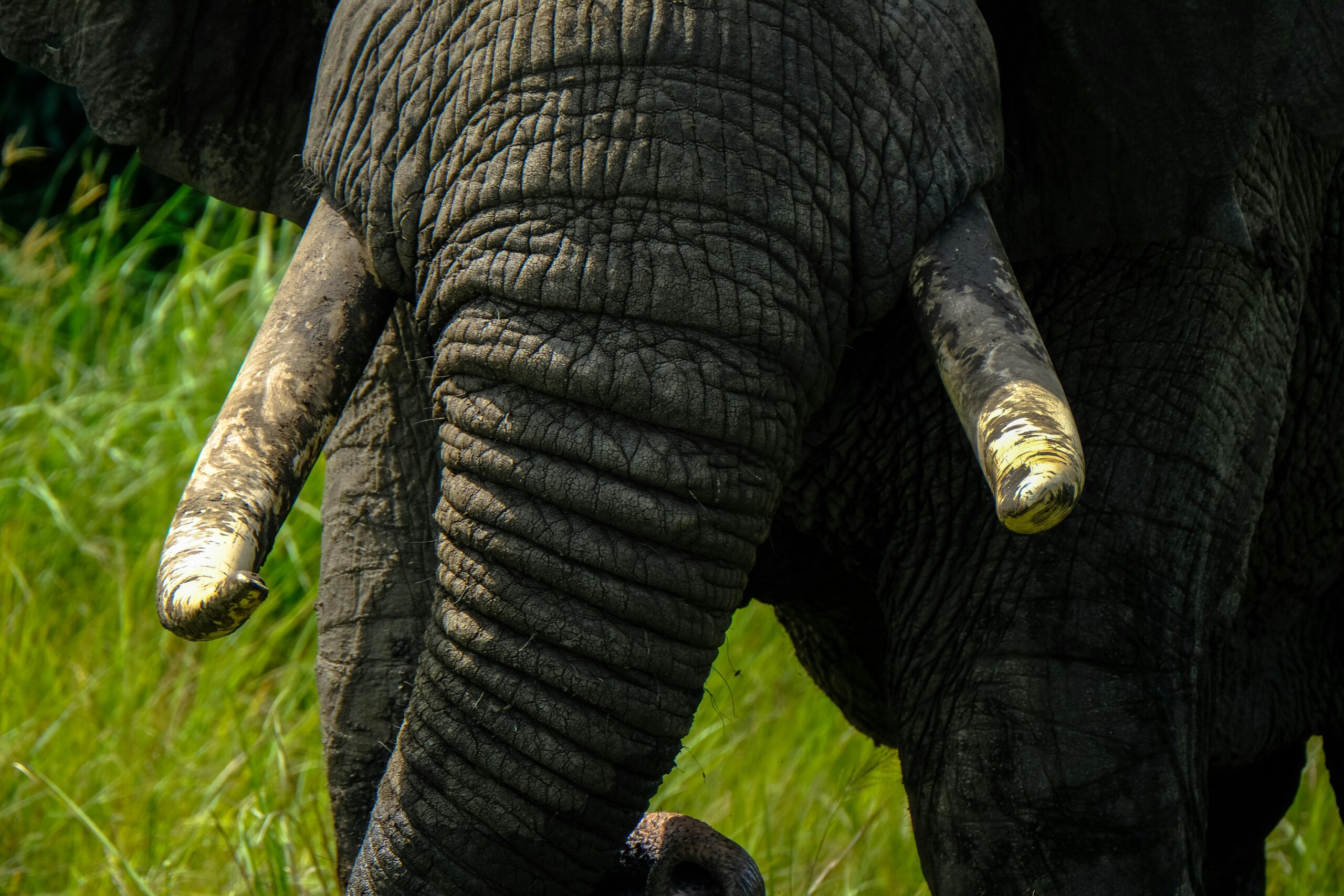
National Parks in Uganda
Exploring the Natural Wonders: National Parks in Uganda
Introduction
Uganda, often referred to as the “Pearl of Africa,” is a country blessed with an abundance of natural beauty and wildlife. From lush rainforests to sprawling savannahs, Uganda is home to a diverse range of ecosystems that support a remarkable array of plant and animal species. One of the best ways to experience this natural wonderland is by visiting its national parks. In this article, we will take a deep dive into the national parks of Uganda, exploring their unique features, wildlife, and conservation efforts. So, grab your safari hat and let’s embark on an unforgettable journey through the national parks of Uganda.
1. Bwindi Impenetrable National Park
Overview
Located in southwestern Uganda, Bwindi Impenetrable National Park is a UNESCO World Heritage Site and one of the most biologically diverse areas on the planet. The park is renowned for its population of endangered mountain gorillas, making it a must-visit destination for wildlife enthusiasts and conservationists alike.
Wildlife
Bwindi Impenetrable National Park is home to approximately half of the world’s remaining mountain gorilla population. These majestic creatures, with their gentle nature and striking appearance, are a sight to behold. In addition to gorillas, the park is also home to a variety of other primates, including chimpanzees, black-and-white colobus monkeys, and baboons. Birdwatchers will be delighted by the park’s rich avian diversity, with over 350 species recorded.
Conservation Efforts
Conservation is at the heart of Bwindi Impenetrable National Park. Efforts are focused on protecting the endangered mountain gorillas and their habitat, as well as promoting sustainable tourism. Strict regulations are in place to ensure the well-being of the gorillas, including limited permits for gorilla trekking and guidelines for visitor behavior.
2. Queen Elizabeth National Park
Overview
Situated in western Uganda, Queen Elizabeth National Park is one of the country’s most popular and diverse national parks. Spanning over 1,978 square kilometers, the park encompasses a wide range of ecosystems, including savannahs, wetlands, and forests.
Wildlife
Queen Elizabeth National Park is a wildlife lover’s paradise. The park is home to an impressive array of wildlife, including elephants, lions, leopards, buffalos, and hippos. It is also a haven for birdwatchers, with over 600 species of birds recorded within its borders.
Conservation Efforts
Conservation efforts in Queen Elizabeth National Park focus on protecting its diverse ecosystems and wildlife. The park collaborates with local communities to promote sustainable livelihoods and reduce human-wildlife conflicts. Anti-poaching patrols and community education programs play a crucial role in safeguarding the park’s natural heritage.
3. Murchison Falls National Park
Overview
Located in northwestern Uganda, Murchison Falls National Park is the country’s largest national park, spanning an area of 3,840 square kilometers. The park is named after the magnificent Murchison Falls, where the Nile River plunges through a narrow gorge, creating a breathtaking spectacle.
Wildlife
Murchison Falls National Park is home to a diverse range of wildlife, including elephants, giraffes, lions, leopards, and a variety of antelope species. The park is also famous for its Nile crocodiles and hippopotamuses, which can be spotted along the riverbanks. Bird enthusiasts will be delighted by the park’s abundant birdlife, with over 450 species recorded.
Conservation Efforts
Conservation efforts in Murchison Falls National Park focus on protecting its unique ecosystems and wildlife. The park collaborates with local communities to promote sustainable tourism and provide alternative livelihood options. Anti-poaching patrols and community-based conservation initiatives are instrumental in preserving the park’s natural heritage.
4. Kidepo Valley National Park
Overview
Nestled in the rugged landscapes of northeastern Uganda, Kidepo Valley National Park is a hidden gem waiting to be discovered. Remote and untouched by mass tourism, this park offers a truly off-the-beaten-path experience for adventurous travelers.
Wildlife
Kidepo Valley National Park is renowned for its abundant wildlife, including elephants, lions, cheetahs, zebras, and giraffes. The park is also home to unique species such as the greater kudu and the ostrich. The vast open plains and rugged mountains provide a stunning backdrop for wildlife viewing and photography.
Conservation Efforts
Conservation efforts in Kidepo Valley National Park focus on preserving its pristine wilderness and protecting its diverse wildlife. The park works closely with local communities to promote sustainable development and conservation education. Anti-poaching measures and community-based initiatives are crucial in ensuring the long-term survival of the park’s ecosystems and wildlife.
5. Rwenzori Mountains National Park
Overview
Rwenzori Mountains National Park, located in western Uganda, is a UNESCO World Heritage Site and home to the legendary “Mountains of the Moon.” This park is famous for its stunning alpine scenery, snow-capped peaks, and unique flora and fauna.
Wildlife
While Rwenzori Mountains National Park is not known for its large wildlife populations, it is home to a variety of endemic species that have adapted to the harsh mountain environment. The park is a paradise for birdwatchers, with over 177 species recorded, including the Rwenzori turaco and the handsome francolin.
Conservation Efforts
Conservation efforts in Rwenzori Mountains National Park focus on preserving its fragile alpine ecosystems and unique biodiversity. The park collaborates with local communities to promote sustainable tourism and provide alternative livelihood options. Strict regulations are in place to minimize the impact of human activities on the delicate mountain environment.
Frequently Asked Questions (FAQ)
Q1: How many national parks are there in Uganda?
A1: Uganda is home to ten national parks, each offering a unique experience and showcasing the country’s diverse natural beauty.
Q2: Can I go gorilla trekking in Uganda’s national parks?
A2: Yes, gorilla trekking is a popular activity in Bwindi Impenetrable National Park and Mgahinga Gorilla National Park. Permits are required and limited to ensure the well-being of the gorillas.
Q3: Are there accommodations available in the national parks?
A3: Yes, most national parks in Uganda offer a range of accommodations, including lodges, campsites, and luxury safari lodges. It is advisable to book in advance, especially during peak seasons.
Q4: What is the best time to visit Uganda’s national parks?
A4: The best time to visit Uganda’s national parks is during the dry seasons, which are from December to February and from June to September. However, each park has its own unique characteristics and can be visited year-round.
Q5: Are there any cultural experiences available in the national parks?
A5: Yes, several national parks in Uganda offer cultural experiences, allowing visitors to interact with local communities and learn about their traditions and way of life. This provides a holistic and immersive experience of the country’s rich cultural heritage.
Uganda’s national parks are not only a haven for wildlife enthusiasts and nature lovers but also play a crucial role in conservation efforts and sustainable tourism. By visiting these parks, you are not only embarking on an unforgettable adventure but also contributing to the preservation of Uganda’s natural heritage. So, pack your bags, lace up your boots, and get ready to explore the wonders of Uganda’s national parks.