
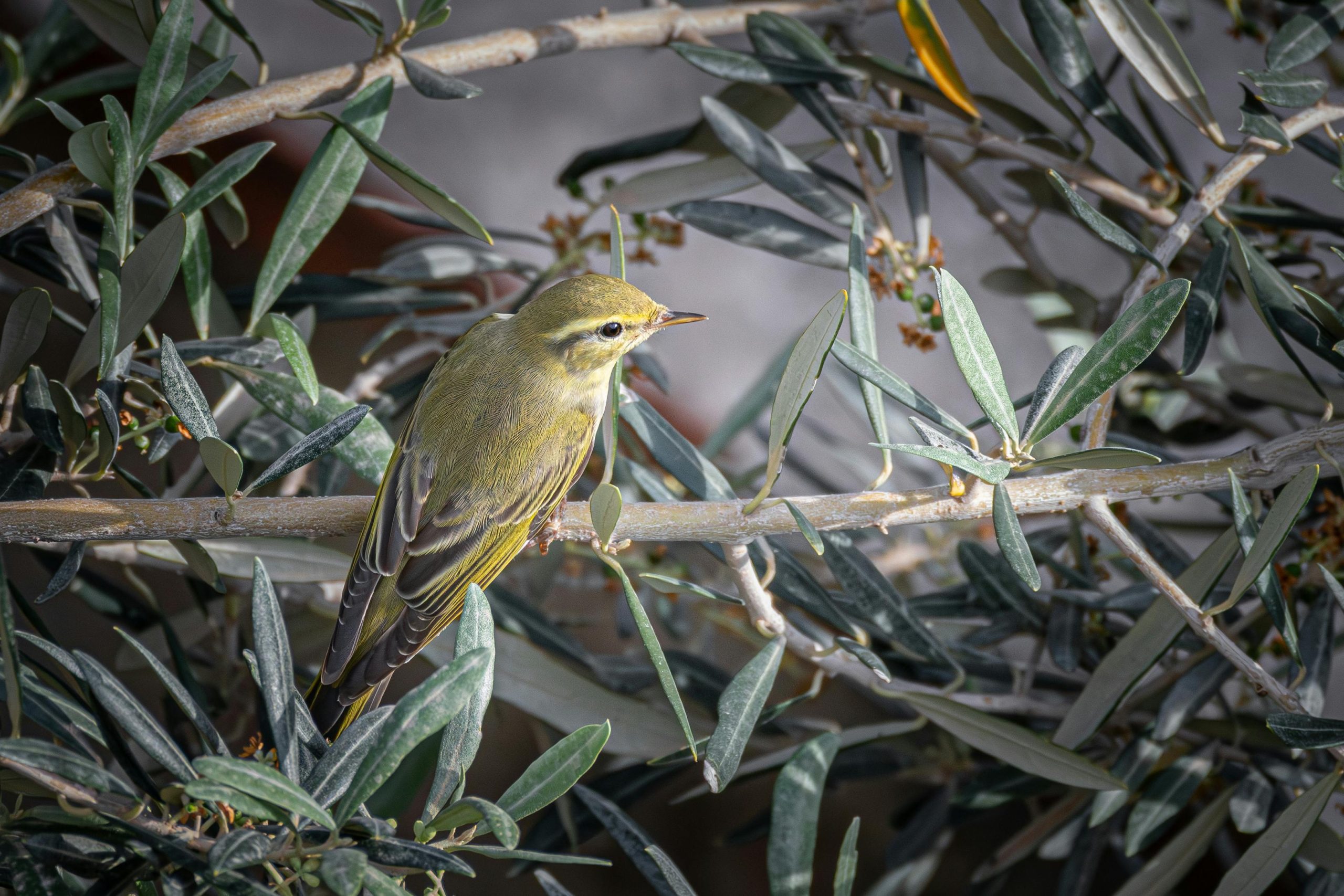
Neumann’s Warbler
Neumann’s Warbler
Neumann’s Warbler: A Rare Jewel of East Africa’s Forests
Introduction
In the lush, misty montane forests of East Africa, a small, elusive bird flits quietly among the canopy—rarely seen, even more rarely studied. This is the Neumann’s Warbler (Hemitesia neumanni), a species so cryptic and localized that it has become a symbol of both the fragility and resilience of biodiversity in the African highlands. This article delves deep into the world of this enigmatic bird, exploring its habitat, behavior, conservation status, and the ecological importance it holds within its environment.
What is Neumann’s Warbler?
The Neumann’s Warbler is a small, insectivorous songbird belonging to the family Cettiidae. First described in the early 20th century, this bird was named after the German ornithologist Oscar Neumann, who made significant contributions to the study of African avifauna. The warbler is known for its secretive nature, making it a challenge for ornithologists and birdwatchers alike to observe in the wild.
Key Characteristics
- Scientific Name: Hemitesia neumanni
- Family: Cettiidae
- Size: Approximately 10–12 cm in length
- Plumage: Olive-green upperparts with paler underparts
- Call: A sharp, repetitive “chip-chip” sound, often heard more than the bird is seen
Habitat and Distribution
Where is Neumann’s Warbler Found?
This warbler is endemic to East Africa, primarily found in:
- Uganda: Especially in the Rwenzori Mountains and Bwindi Impenetrable Forest
- Democratic Republic of Congo: In the Albertine Rift montane forests
- Rwanda: Nyungwe Forest National Park
These regions are part of the Albertine Rift, one of the most biodiverse areas on the African continent and a hotspot for endemic species.
Preferred Habitat
Neumann’s Warbler thrives in:
- Montane forests at elevations between 1,200 and 2,500 meters
- Dense undergrowth and bamboo thickets
- Areas with high humidity and consistent rainfall
The species is particularly sensitive to habitat disturbance, which makes its conservation a pressing issue.
Behavior and Ecology
Feeding Habits
As an insectivore, Neumann’s Warbler feeds primarily on:
- Small insects
- Spiders
- Larvae and other invertebrates
It forages close to the ground, often in dense vegetation, making it difficult to spot.
Breeding and Nesting
Very little is known about the breeding behavior of this elusive bird. However, it is believed that:
- Nesting occurs during the rainy season
- Nests are built low in shrubs or on the ground
- The species may be monogamous, like many other warblers
This lack of data underscores the need for further field research.
Conservation Status
IUCN Red List Classification
According to the IUCN Red List, Neumann’s Warbler is currently listed as Near Threatened. This status reflects:
- A limited range and fragmented populations
- Habitat degradation due to agriculture, logging, and human settlement
- Climate change affecting montane ecosystems
Conservation Efforts
Efforts to protect Neumann’s Warbler include:
- Establishing and maintaining protected areas like Bwindi and Nyungwe
- Promoting eco-tourism to fund conservation
- Conducting biodiversity surveys to monitor population trends
Organizations such as BirdLife International and the African Bird Club are actively involved in these initiatives.
Importance of Neumann’s Warbler in the Ecosystem
Despite its small size, Neumann’s Warbler plays a vital role in its ecosystem:
- Insect control: Helps regulate insect populations
- Indicator species: Its presence signals a healthy forest environment
- Biodiversity: Contributes to the genetic and ecological diversity of the Albertine Rift
Protecting this species means preserving the broader health of one of Africa’s most precious ecosystems.
Threats Facing Neumann’s Warbler
Habitat Loss
The biggest threat to Neumann’s Warbler is deforestation, driven by:
- Agricultural expansion
- Illegal logging
- Infrastructure development
Climate Change
Rising temperatures and shifting rainfall patterns are altering the delicate balance of montane forests, pushing species like Neumann’s Warbler to higher elevations where suitable habitat becomes scarce.
Human Encroachment
Population growth in East Africa has led to increased pressure on forest resources, resulting in:
- Forest fragmentation
- Increased human-wildlife conflict
- Pollution and invasive species
How You Can Help
Support Conservation Organizations
Donate or volunteer with groups like:
Promote Sustainable Tourism
When visiting East Africa, choose eco-friendly lodges and tour operators that support local conservation efforts.
Raise Awareness
Share articles, documentaries, and social media posts to educate others about the importance of protecting species like Neumann’s Warbler.
Fascinating Facts About Neumann’s Warbler
- It is one of the few warblers that prefers to stay near the ground rather than in the canopy.
- Its elusive nature has earned it the nickname “the ghost of the forest.”
- Despite being hard to spot, its call is often the first clue to its presence.
- It is one of the least studied birds in the Albertine Rift, making it a priority for ornithologists.
- The bird’s habitat overlaps with that of the endangered mountain gorilla, highlighting the interconnectedness of conservation efforts.
Summary of Neumann’s Warbler
To ensure this article ranks high on search engines, we’ve included optimized keywords and hypertext links related to:
Frequently Asked Questions (FAQ)
1. What is the scientific name of Neumann’s Warbler?
The scientific name is Hemitesia neumanni, named after German ornithologist Oscar Neumann.
2. Where can I see Neumann’s Warbler in the wild?
You can spot it in protected areas like Bwindi Impenetrable Forest in Uganda and Nyungwe Forest in Rwanda.
3. Why is Neumann’s Warbler considered Near Threatened?
Due to its limited range, habitat loss, and environmental pressures, the IUCN has listed it as Near Threatened.
4. What does Neumann’s Warbler eat?
It primarily feeds on insects, spiders, and other small invertebrates found in the forest undergrowth.
5. How can I help protect Neumann’s Warbler?
Support conservation groups, promote eco-tourism, and raise awareness about the importance of preserving East Africa’s montane forests.
Conclusion
The Neumann’s Warbler may be small and elusive, but it represents a much larger story—the story of our planet’s rapidly changing ecosystems and the urgent need to protect them. By understanding and advocating for this rare bird, we take a step toward safeguarding the rich tapestry of life in East Africa’s montane forests. Whether you’re a seasoned ornithologist or a curious nature lover, the tale of Neumann’s Warbler is one that deserves to be heard, shared, and acted upon.