
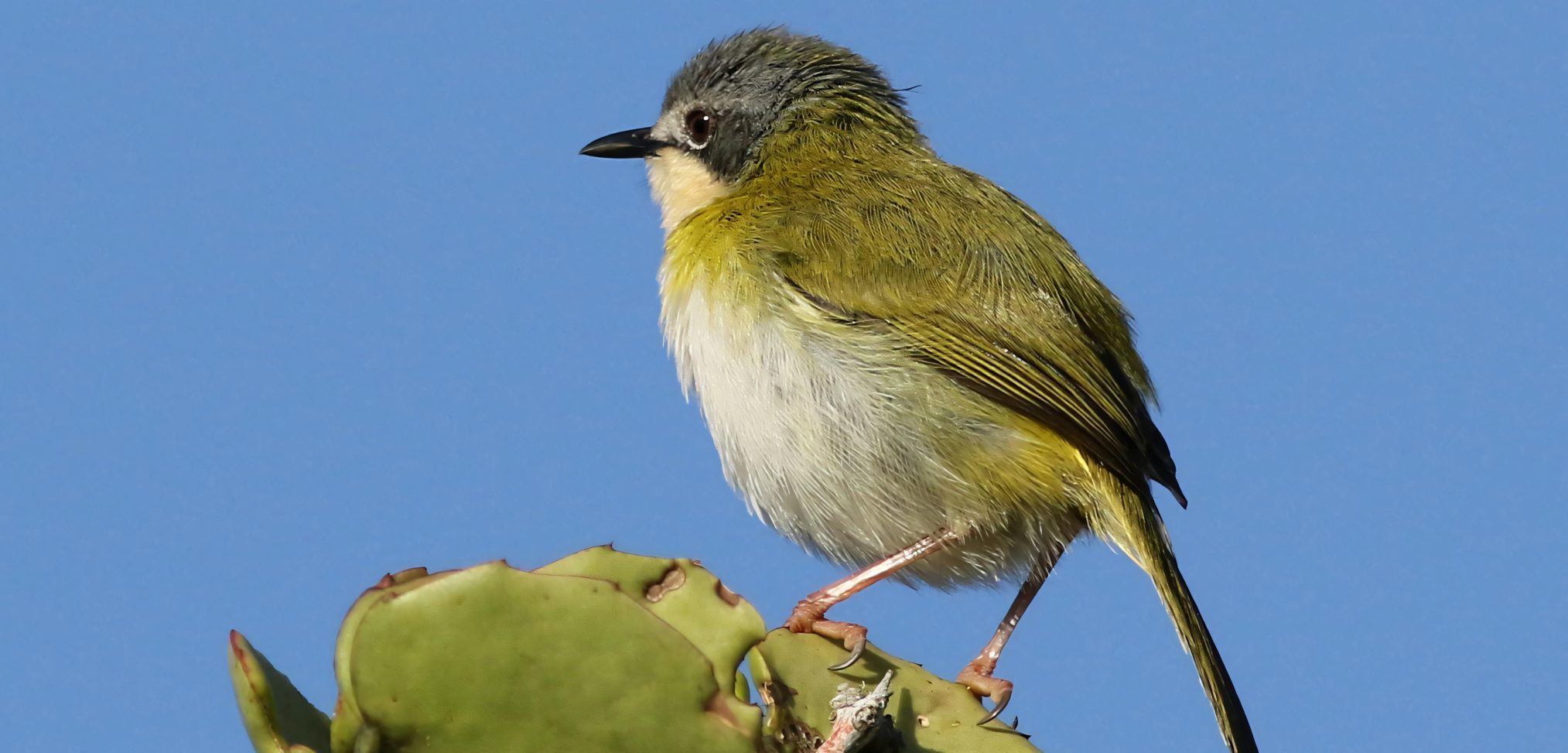
Mountain-Masked Apalis
The Mountain-Masked Apalis: A Hidden Gem of Africa’s Montane Forests
Introduction
Perched high in the misty canopies of East Africa’s montane forests, the Mountain-masked Apalis (Apalis personata) is a small, elusive bird that captivates ornithologists and birdwatchers alike. With its striking plumage and secretive nature, this avian species is a symbol of the rich biodiversity found in the Albertine Rift. Despite its beauty, the Mountain-masked Apalis remains relatively unknown outside specialist circles, making it a fascinating subject for exploration.
In this comprehensive guide, we delve into the world of the Mountain-masked Apalis, exploring its habitat, behavior, conservation status, and the ecological significance it holds in its native environment.
What is the Mountain-masked Apalis?
The Mountain-masked Apalis is a small passerine bird belonging to the family Cisticolidae. It is endemic to the montane forests of the Albertine Rift, a region known for its exceptional levels of endemism and biodiversity. This bird is characterized by its:
- Distinctive black facial mask
- Olive-green upperparts
- Pale underparts
- Thin, slightly curved bill adapted for insectivory
Its scientific name, Apalis personata, reflects its masked appearance, with “personata” derived from Latin, meaning “masked.”
Habitat and Distribution
Where Can You Find the Mountain-masked Apalis?
The Mountain-masked Apalis is primarily found in:
- Southwestern Uganda
- Rwanda
- Burundi
- Eastern Democratic Republic of Congo
These regions form part of the Albertine Rift montane forests, a biodiversity hotspot recognized for its unique flora and fauna. The bird typically inhabits elevations ranging from 1,800 to 3,200 meters, thriving in:
- Moist montane forests
- Bamboo thickets
- Forest edges
- Secondary growth areas
Key Locations for Birdwatchers
- Bwindi Impenetrable National Park (Uganda)
- Nyungwe Forest National Park (Rwanda)
- Kahuzi-Biéga National Park (DRC)
These areas are not only rich in avian diversity but also offer opportunities to spot other endemic species.
Physical Characteristics and Identification
How to Identify the Mountain-masked Apalis
The Mountain-masked Apalis is a small, agile bird, measuring about 12–13 cm in length. Key identification markers include:
- Black mask extending from the beak through the eyes
- Olive-green back and wings
- Whitish underparts with a slight yellowish tinge
- Slender black bill
- Long tail often flicked while foraging
Males and females are similar in appearance, though females may exhibit slightly duller coloration.
Behavior and Ecology
Feeding Habits
The Mountain-masked Apalis is primarily insectivorous, feeding on:
- Caterpillars
- Beetles
- Spiders
- Small arthropods
It forages actively in the mid to upper canopy, often in mixed-species flocks, which enhances feeding efficiency and predator avoidance.
Social Structure
These birds are typically seen in pairs or small groups, especially during the breeding season. They are known for their vocalizations, which include:
- High-pitched whistles
- Repetitive trills
- Contact calls used to maintain pair bonds
Breeding Behavior
Breeding occurs during the rainy season, with nests constructed from:
- Moss
- Grass
- Spider webs
The nests are usually suspended in dense foliage, providing camouflage from predators. Both parents participate in feeding the chicks.
Conservation Status
Is the Mountain-masked Apalis Endangered?
According to the IUCN Red List, the Mountain-masked Apalis is currently classified as Least Concern. However, its population is declining, primarily due to:
- Deforestation
- Habitat fragmentation
- Agricultural expansion
- Logging activities
Conservation Efforts
Efforts to protect this species include:
- Establishment of protected areas like Bwindi Impenetrable Forest
- Community-based conservation programs
- Ecotourism initiatives that promote sustainable practices
Ecological Importance
Role in the Ecosystem
The Mountain-masked Apalis plays a vital role in maintaining forest health by:
- Controlling insect populations
- Aiding in seed dispersal indirectly through its foraging behavior
- Serving as an indicator species for forest ecosystem health
Its presence signifies a well-functioning montane forest ecosystem.
Threats and Challenges
Major Threats Facing the Species
Despite its current conservation status, the Mountain-masked Apalis faces several ongoing threats:
- Habitat loss from agricultural encroachment
- Climate change, affecting montane forest microclimates
- Illegal logging and charcoal production
- Human-wildlife conflict in buffer zones
Climate Change Impact
As a montane species, the Mountain-masked Apalis is particularly vulnerable to temperature shifts and altered precipitation patterns, which can:
- Reduce suitable habitat
- Disrupt breeding cycles
- Alter food availability
How to Help Conserve the Mountain-masked Apalis
What Can You Do?
If you’re passionate about bird conservation, here are some ways to contribute:
- Support organizations like BirdLife International
- Participate in citizen science projects such as eBird
- Promote sustainable tourism in East Africa
- Advocate for forest conservation policies
- Educate others about the importance of biodiversity
Birdwatching Tips: Spotting the Mountain-masked Apalis
Best Practices for Birdwatchers
To increase your chances of observing this elusive bird:
- Visit during the early morning hours
- Use binoculars with high magnification
- Hire a local guide familiar with the species
- Be patient and move quietly through the forest
- Listen for its distinctive whistling calls
Essential Gear
- Lightweight binoculars
- Field guide to East African birds
- Notebook or birding app for recording sightings
- Camera with a telephoto lens
The Mountain-masked Apalis in Culture and Research
Scientific Studies
Recent studies have focused on:
- Genetic diversity among populations
- Habitat preferences and niche modeling
- Vocalization patterns and communication
These studies help inform conservation strategies and deepen our understanding of montane forest ecosystems.
Cultural Significance
While not widely known in folklore, the Mountain-masked Apalis is increasingly becoming a symbol of conservation in East Africa, representing the delicate balance between humans and nature.
Frequently Asked Questions (FAQ)
1. Where is the Mountain-masked Apalis found?
It’s is native to the Albertine Rift region, including parts of Uganda, Rwanda, Burundi, and the Democratic Republic of Congo. It thrives in montane forests at elevations above 1,800 meters. Learn more about the Albertine Rift.
2. What does the Mountain-masked Apalis eat?
This bird primarily feeds on insects and small arthropods, including caterpillars, spiders, and beetles. It forages in the forest canopy, often joining mixed-species flocks for better efficiency.
3. Is the Mountain-masked Apalis endangered?
Currently, it is listed as Least Concern by the IUCN, but its population is declining due to habitat destruction and climate change. Conservation efforts are crucial to ensure its survival.
4. How can I help protect the Mountain-masked Apalis?
You can support conservation by:
- Donating to organizations like BirdLife International
- Promoting sustainable ecotourism
- Participating in bird monitoring programs
- Raising awareness about forest conservation
5. When is the best time to see the Mountain-masked Apalis?
The best time for birdwatching in its habitat is during the dry seasons, typically from June to August and December to February. Early mornings offer the highest activity levels.
Conclusion
The Mountain-masked Apalis is more than just a beautiful bird—it is a vital component of East Africa’s montane ecosystems. As threats to its habitat continue to mount, understanding and appreciating this species becomes ever more important. Through conservation, education, and responsible tourism, we can ensure that this masked marvel continues to thrive in the misty forests it calls home.