
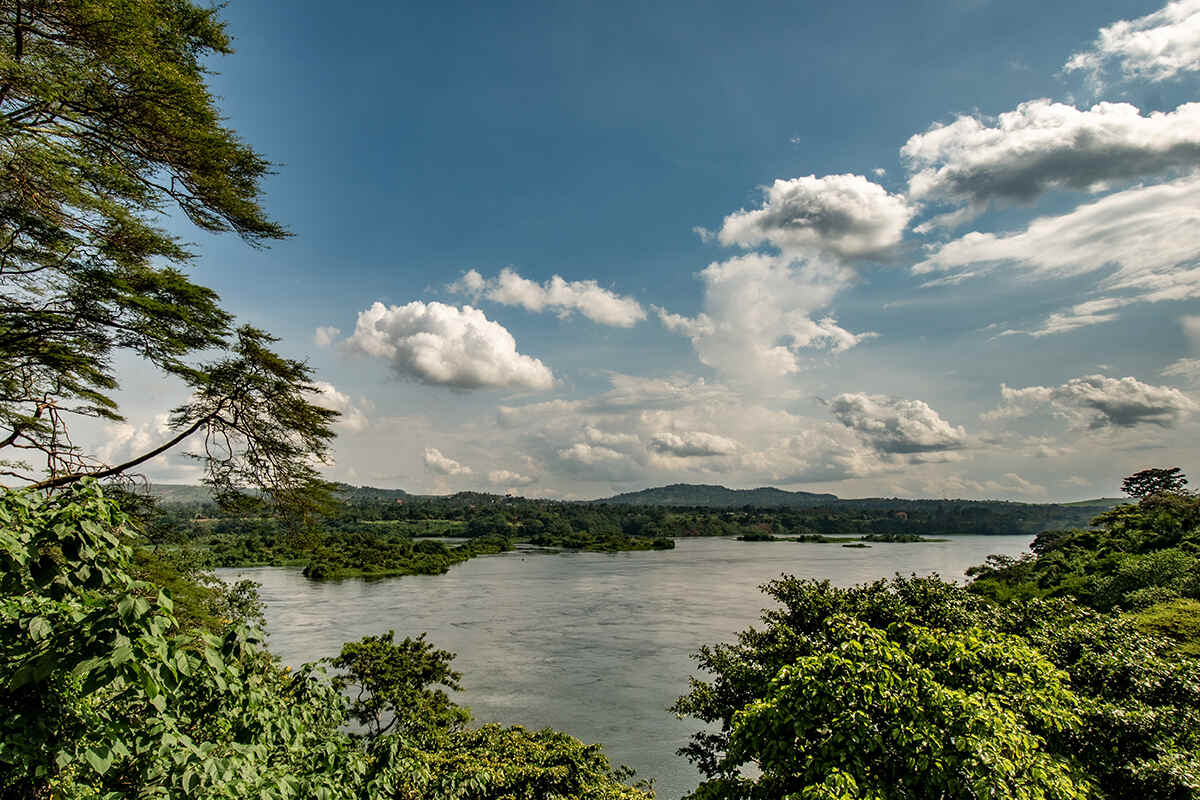
Nile exploration
Nile exploration
The Fascinating Journey of Nile Exploration: Unveiling the Mysteries of the World’s Longest River
The Nile River, often referred to as the lifeblood of Egypt, has been a subject of fascination and exploration for centuries. Stretching over 6,650 kilometers, it is the longest river in the world, flowing through eleven African countries and serving as a vital resource for millions of people. The exploration of the Nile has been a journey filled with intrigue, mystery, and discovery. In this article, we will delve into the history, significance, and the many expeditions that have sought to uncover the secrets of this mighty river.
The Historical Significance of the Nile River
The Nile has played a crucial role in the development of ancient civilizations, particularly in Egypt. The river’s annual flooding provided fertile soil, which allowed agriculture to thrive and supported the growth of one of the most iconic civilizations in human history. The ancient Egyptians revered the Nile as a god, and it became central to their culture, religion, and economy.
Ancient Egyptian Civilization and the Nile
The Nile’s predictable flooding cycle allowed the ancient Egyptians to develop a sophisticated agricultural system. The river provided water for irrigation, enabling the cultivation of crops such as wheat, barley, and flax. This abundance of resources allowed Egypt to become a powerful and prosperous civilization. The river also served as a major transportation route, facilitating trade and communication between different regions.
The Nile in Egyptian Mythology
In Egyptian mythology, the Nile was associated with several gods, most notably Hapi, the god of the annual flooding. The river was also linked to Osiris, the god of the afterlife, who was believed to have been resurrected by the waters of the Nile. The river’s life-giving properties were seen as a symbol of rebirth and renewal, and it played a central role in Egyptian religious rituals.
Early Nile Exploration
The exploration of the Nile dates back to ancient times, with early expeditions seeking to understand the river’s source and its course through Africa. The ancient Egyptians themselves conducted some of the earliest explorations, but it wasn’t until the 19th century that significant progress was made in mapping the entire length of the river.
Greek and Roman Explorations
The Greeks and Romans were among the first to attempt to explore the Nile. Greek historian Herodotus traveled to Egypt in the 5th century BCE and wrote extensively about the river. However, despite their efforts, the source of the Nile remained a mystery to both the Greeks and Romans.
The Quest for the Source of the Nile
For centuries, the source of the Nile was one of the greatest geographical mysteries in the world. Various explorers attempted to locate it, but it wasn’t until the 19th century that significant progress was made. European explorers, driven by a desire for fame and scientific discovery, embarked on perilous journeys into the heart of Africa to uncover the river’s origins.
19th Century Expeditions
The 19th century saw a renewed interest in Nile exploration, with several notable expeditions being launched by European explorers. These expeditions were often fraught with danger, as explorers faced harsh conditions, disease, and hostile encounters with local populations.
John Hanning Speke and the Discovery of Lake Victoria
One of the most famous explorers of the Nile was John Hanning Speke, a British officer who is credited with discovering the source of the White Nile. In 1858, Speke reached Lake Victoria, which he believed to be the source of the Nile. His discovery was met with skepticism, particularly from his fellow explorer Richard Burton, but subsequent expeditions confirmed that Lake Victoria was indeed the primary source of the White Nile.
Richard Burton and the Exploration of the Blue Nile
Richard Burton, another British explorer, also played a significant role in the exploration of the Nile. While Speke focused on the White Nile, Burton was more interested in the Blue Nile, which originates in the Ethiopian highlands. Burton’s expeditions helped to map the course of the Blue Nile and provided valuable information about the river’s geography.
The Importance of the Nile in Modern Times
Today, the Nile continues to be a vital resource for the countries it flows through. It provides water for agriculture, supports biodiversity, and serves as a major transportation route. However, the river also faces significant challenges, including pollution, climate change, and disputes over water rights.
The Nile Basin Initiative
In recent years, efforts have been made to address the challenges facing the Nile through initiatives such as the Nile Basin Initiative (NBI). The NBI is a partnership between the countries that share the Nile, aimed at promoting cooperation and sustainable development of the river’s resources. The initiative seeks to ensure that the Nile continues to provide for the millions of people who depend on it, while also protecting the river’s ecosystem.
The Grand Ethiopian Renaissance Dam
One of the most significant developments in the modern history of the Nile is the construction of the Grand Ethiopian Renaissance Dam (GERD). The dam, which is being built on the Blue Nile in Ethiopia, has been a source of tension between Ethiopia, Egypt, and Sudan. Egypt, which relies heavily on the Nile for its water supply, has expressed concerns that the dam could reduce the flow of water downstream. Negotiations between the countries continue as they seek to find a solution that benefits all parties.
The Future of Nile Exploration
While much of the Nile has been explored and mapped, there are still areas of the river that remain relatively unknown. Advances in technology, such as satellite imaging and remote sensing, have made it easier to study the river’s geography and ecology. However, there is still much to learn about the Nile’s biodiversity, its role in climate regulation, and the impact of human activity on the river.
The Role of Technology in Nile Exploration
Modern technology has revolutionized the way we explore and study the Nile. Satellite imagery allows researchers to monitor changes in the river’s flow, track the movement of sediment, and assess the health of its ecosystems. Drones and remote sensing technologies have also made it possible to explore areas of the river that are difficult to access, providing valuable data for scientists and conservationists.
Preserving the Nile for Future Generations
As the population of the Nile Basin continues to grow, the demand for water and other resources is increasing. It is essential that efforts are made to preserve the river and ensure that it can continue to support the millions of people who depend on it. This will require cooperation between the countries that share the Nile, as well as investment in sustainable development and conservation initiatives.
FAQ
1. What is the source of the Nile River?
The primary source of the Nile is Lake Victoria, located in East Africa. The river also has a secondary source, the Blue Nile, which originates in the Ethiopian highlands.
2. Why is the Nile important to Egypt?
The Nile has been crucial to Egypt’s development for thousands of years. It provides water for agriculture, serves as a transportation route, and supports the country’s economy.
3. What challenges does the Nile face today?
The Nile faces several challenges, including pollution, climate change, and disputes over water rights. Efforts are being made to address these issues through initiatives like the Nile Basin Initiative.
4. Who were the most famous Nile explorers?
Some of the most famous explorers of the Nile include John Hanning Speke, Richard Burton, and David Livingstone. These explorers made significant contributions to our understanding of the river’s geography.
5. What is the Grand Ethiopian Renaissance Dam?
The Grand Ethiopian Renaissance Dam is a large hydroelectric dam being built on the Blue Nile in Ethiopia. It has been a source of tension between Ethiopia, Egypt, and Sudan due to concerns about its impact on the flow of water downstream.
Conclusion
The exploration of the Nile has been a journey filled with discovery, intrigue, and challenges. From ancient Egyptian civilization to modern-day initiatives aimed at preserving the river, the Nile continues to be a vital resource for millions of people. As we look to the future, it is essential that we continue to explore and protect this magnificent river, ensuring that it can provide for generations to come.