
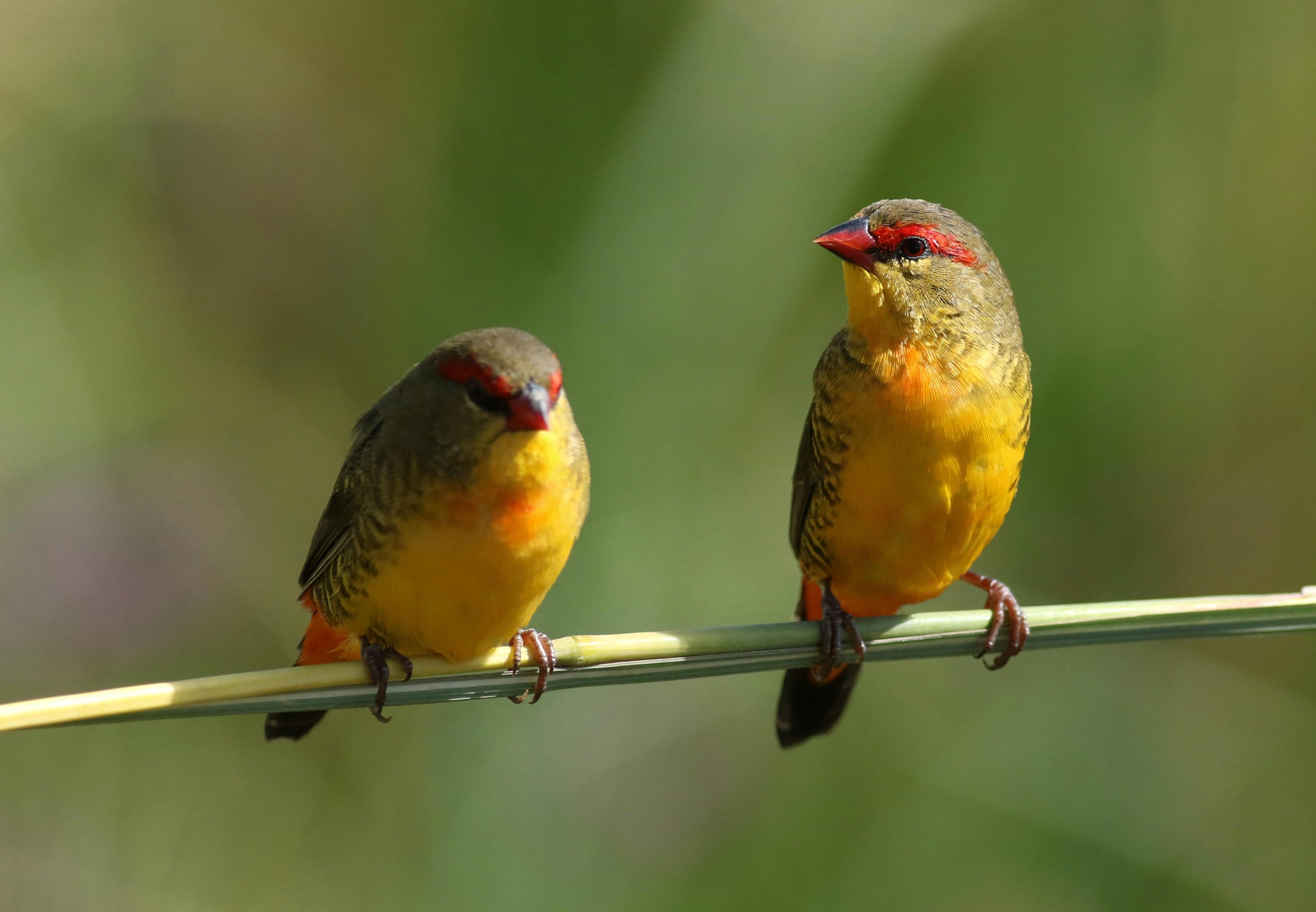
Orange-breasted Waxbill
Orange-breasted Waxbill
The Orange-breasted Waxbill: A Jewel of the Grasslands
Introduction
The Orange-breasted Waxbill (Amandava subflava), also known as the Zebra Waxbill, is a small, vibrantly colored finch that captivates bird enthusiasts and ornithologists alike. Native to sub-Saharan Africa, this avian gem is renowned for its striking plumage, delicate song, and adaptability to various habitats. Despite its diminutive size, the Orange-breasted Waxbill plays a significant role in its ecosystem and has become a popular subject among aviculturists and wildlife photographers.
In this comprehensive guide, we will delve into the biology, habitat, behavior, and conservation status of this fascinating bird. We’ll also explore how to care for them in captivity, their symbolism in various cultures, and tips for spotting them in the wild.
Overview of the Orange-breasted Waxbill
Physical Characteristics
The Orange-breasted Waxbill is a small passerine bird, measuring approximately 9–10 cm (3.5–4 inches) in length. Its most distinguishing feature is the vivid orange patch on its chest, which contrasts beautifully with its olive-green back and red rump. Males are generally more brightly colored than females, especially during the breeding season.
Key physical traits include:
- Bright orange breast and flanks
- Olive-green upperparts
- Red rump and undertail
- Fine, conical red bill
- Black barring on the flanks (in some individuals)
These birds are often mistaken for other members of the Estrildidae family, but their unique coloration and size set them apart.
Taxonomy and Classification
- Kingdom: Animalia
- Phylum: Chordata
- Class: Aves
- Order: Passeriformes
- Family: Estrildidae
- Genus: Amandava
- Species: A. subflava
The Orange-breasted Waxbill is closely related to the Red Avadavat (Amandava amandava), sharing similar behaviors and habitats.
Natural Habitat and Distribution
Geographic Range
This species is widely distributed across sub-Saharan Africa, from Senegal and Ethiopia in the north to South Africa in the south. It thrives in a variety of open habitats, including:
- Moist and dry savannas
- Grasslands
- Marsh edges
- Agricultural fields
- Wetlands with tall grasses
These birds are non-migratory but may move locally in response to seasonal changes in food availability.
Preferred Environment
The Orange-breasted Waxbill prefers areas with tall grasses and scattered shrubs. These environments provide both foraging opportunities and nesting cover. Their adaptability to human-altered landscapes, such as rice paddies and sugarcane fields, has allowed them to maintain stable populations even in the face of habitat modification.
Behavior and Social Structure
Feeding Habits
Primarily granivorous, the Orange-breasted Waxbill feeds on a variety of small seeds, especially those of grasses. However, they also consume small insects and larvae, particularly during the breeding season when protein is essential for chick development.
Diet includes:
- Grass seeds (e.g., millet, fonio)
- Aphids
- Small beetles
- Caterpillars
- Ants
They forage in small flocks, often seen hopping through grasses or fluttering just above the ground.
Vocalizations
Their call is a soft, high-pitched “tsee-tsee,” often heard in the early morning or late afternoon. Males may sing more elaborate songs during courtship, incorporating trills and chirps to attract mates.
Social Behavior
Orange-breasted Waxbills are highly social and often found in small flocks. Outside the breeding season, they may form mixed-species flocks with other finches, enhancing their foraging efficiency and predator detection.
Breeding and Reproduction
Courtship and Mating
During the breeding season, males perform elaborate displays that include puffing up their feathers, singing, and hopping around the female. These displays are crucial for mate selection.
Nesting
Nests are built close to the ground in dense grasses or shrubs. They are dome-shaped and constructed from fine grasses, lined with feathers and soft plant material.
Breeding facts:
- Clutch size: 4–6 eggs
- Incubation period: 11–13 days
- Fledging period: 17–21 days
- Both parents share incubation and feeding duties
In captivity, they may breed year-round if conditions are favorable.
Conservation Status
IUCN Red List
The Orange-breasted Waxbill is currently listed as Least Concern by the IUCN. Its wide distribution and adaptability contribute to its stable population.
Threats
While not currently endangered, the species faces localized threats such as:
- Habitat loss due to agriculture and urbanization
- Pesticide use reducing insect prey
- Capture for the pet trade (though less common than other finches)
Conservation efforts focus on habitat preservation and responsible aviculture practices.
The Orange-breasted Waxbill in Aviculture
Popularity in Captivity
Due to their vibrant colors and gentle nature, Orange-breasted Waxbills are popular among bird keepers. They are relatively easy to care for, provided their specific needs are met.
Housing Requirements
- Spacious aviary with dense vegetation
- Temperatures above 18°C (64°F)
- Access to clean water for drinking and bathing
- Perches and nesting materials
Diet in Captivity
A balanced diet includes:
- High-quality finch seed mix
- Fresh greens (e.g., spinach, dandelion leaves)
- Egg food during breeding
- Live food (e.g., mealworms) for protein
Breeding in Captivity
With proper conditions, these birds breed readily. Providing nesting boxes and privacy is essential. Monitoring for aggression and ensuring a balanced diet will increase breeding success.
Cultural Significance and Symbolism
In various African cultures, small finches like the Orange-breasted Waxbill are seen as symbols of joy, resilience, and harmony with nature. Their presence is often associated with:
- Fertility and new beginnings
- The beauty of simplicity
- The interconnectedness of ecosystems
Birdwatchers and nature enthusiasts often regard them as a sign of a healthy environment.
Tips for Birdwatchers
Best Locations to Spot Them
- Kruger National Park, South Africa
- Okavango Delta, Botswana
- Serengeti Plains, Tanzania
- Wetlands of Zambia and Malawi
Birdwatching Tips
- Visit during early morning or late afternoon
- Look near tall grasses and water sources
- Use binoculars with a wide field of view
- Stay quiet and move slowly to avoid startling flocks
Ecological Role
Orange-breasted Waxbills contribute to their ecosystems by:
- Controlling insect populations
- Dispersing seeds through their droppings
- Serving as prey for small raptors and snakes
Their presence indicates a balanced grassland ecosystem.
Orange-breasted Waxbill vs. Similar Species
| Feature | Orange-breasted Waxbill | Red Avadavat | Common Waxbill |
|---|---|---|---|
| Size | ~9 cm | ~10 cm | ~11 cm |
| Breast Color | Bright orange | Deep red | Pale gray |
| Habitat | Grasslands | Wetlands | Urban edges |
| Bill Color | Red | Red | Red |
Bullet Points
Why Bird Enthusiasts Love the Orange-breasted Waxbill
- Dazzling plumage with vibrant orange chest
- Gentle temperament and peaceful nature
- Easy to care for in aviaries
- Active and engaging behavior
- Harmonious song and vocalizations
Key Facts at a Glance
- Native to sub-Saharan Africa
- Prefers grasslands and wetlands
- Feeds on seeds and insects
- Breeds in dome-shaped grass nests
- Listed as Least Concern by IUCN
Frequently Asked Questions (FAQ)
1. What do Orange-breasted Waxbills eat in the wild?
They primarily consume grass seeds, but also eat small insects like aphids and beetles, especially during the breeding season.
2. Can Orange-breasted Waxbills be kept as pets?
Yes, they are popular in aviculture due to their beauty and gentle nature. However, they require specific conditions to thrive.
3. How can I attract Orange-breasted Waxbills to my garden?
Plant native grasses, avoid pesticides, and provide a shallow water source. These birds are attracted to natural, undisturbed environments.
4. Are they endangered?
No, the Orange-breasted Waxbill is currently classified as Least Concern due to its wide range and stable population.
5. What is the difference between male and female Orange-breasted Waxbills?
Males are more brightly colored, especially during the breeding season, with a more intense orange breast and redder rump compared to females.
Conclusion
The Orange-breasted Waxbill is a testament to the beauty and complexity of the natural world. Its vibrant colors, social behavior, and adaptability make it a favorite among bird lovers and researchers. Whether observed in the wild or cared for in captivity, this tiny bird leaves a lasting impression. As we continue to learn more about its habits and habitat, we gain deeper insights into the delicate balance of the ecosystems it inhabits.
By appreciating and protecting species like the Orange-breasted Waxbill, we take a step toward preserving the rich tapestry of life that makes our planet so extraordinary.