
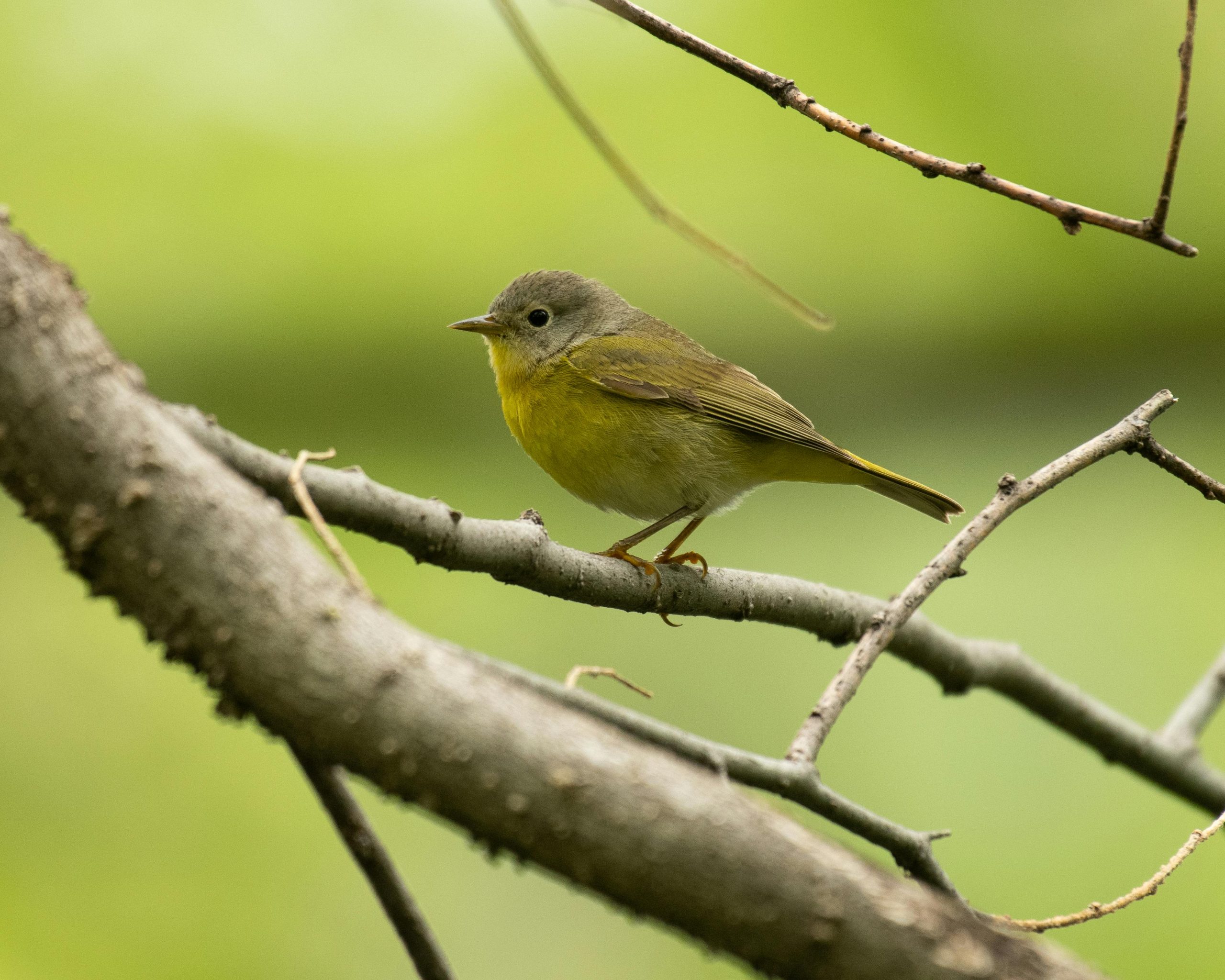
Papyrus Yellow Warbler
Papyrus Yellow Warbler
The Papyrus Yellow Warbler: A Hidden Jewel of Africa’s Wetlands
Introduction
Among the lush, whispering reeds of Africa’s papyrus swamps, a small, elusive bird sings a song few have heard—the Papyrus Yellow Warbler. This rare and endangered species, cloaked in hues of golden yellow and olive, is not just a marvel of avian beauty but also a critical indicator of the health of wetland ecosystems. In this comprehensive guide, we delve into the biology, habitat, threats, conservation efforts, and ecological significance of this remarkable bird.
What is the Papyrus Yellow Warbler?
The Papyrus Yellow Warbler (Calamonastides gracilirostris), also known as the Papyrus Flycatcher-Warbler, is a medium-sized passerine bird endemic to central and eastern Africa. It is a member of the family Acrocephalidae and is one of the few species that are almost exclusively found in papyrus swamps.
Key Characteristics
- Scientific Name: Calamonastides gracilirostris
- Family: Acrocephalidae
- Size: Approximately 13–14 cm in length
- Coloration: Bright yellow underparts, olive-brown upperparts, and a slender bill
- Song: A soft, melodic warble, often heard at dawn and dusk
Geographic Distribution
The Papyrus Yellow Warbler is found in a fragmented range across central and eastern Africa. Its primary habitats include:
- Uganda – Especially around Lake Victoria and the Albertine Rift
- Rwanda – Akagera National Park
- Burundi
- Tanzania
- Kenya
- Democratic Republic of Congo
These birds are highly specialized and are almost entirely restricted to papyrus-dominated wetlands, making their range extremely limited and vulnerable to environmental changes.
Habitat and Ecology
Papyrus Swamps: A Unique Ecosystem
The bird’s preferred habitat is dense, tall stands of Cyperus papyrus, a plant that forms thick mats along freshwater lakes, rivers, and swamps. These wetlands are rich in biodiversity and serve as vital carbon sinks, water purifiers, and flood mitigators.
Behavioral Traits
- Feeding Habits: Insectivorous, feeding on small invertebrates such as beetles, flies, and caterpillars
- Breeding: Nesting occurs in dense papyrus stands; nests are cup-shaped and well-hidden
- Territoriality: Males are territorial and use vocalizations to defend their nesting area
Conservation Status
According to the IUCN Red List, the Papyrus Yellow Warbler is classified as Vulnerable due to its small, fragmented population and ongoing habitat degradation.
Major Threats
- Habitat Loss: Drainage of wetlands for agriculture and development
- Pollution: Agricultural runoff and industrial waste contaminating water bodies
- Climate Change: Altered rainfall patterns affecting wetland hydrology
- Invasive Species: Introduction of non-native plants and animals disrupting the ecosystem
Conservation Efforts
Protected Areas
Several conservation initiatives have been launched to protect the bird’s habitat:
- Ramsar Sites: Wetlands of international importance, such as Lake Victoria Basin
- National Parks: Akagera (Rwanda), Mabamba Bay (Uganda), and others
- Community-Based Conservation: Local communities are engaged in sustainable wetland management
Research and Monitoring
Ongoing research by organizations like BirdLife International and the African Bird Club focuses on:
- Population monitoring
- Habitat mapping
- Breeding behavior studies
- Threat assessments
Importance of the Papyrus Yellow Warbler
Ecological Indicator
As a habitat specialist, the Papyrus Yellow Warbler serves as a bioindicator of wetland health. A decline in its population often signals broader ecological issues affecting the entire ecosystem.
Biodiversity Conservation
Protecting this species contributes to the conservation of a wide array of wetland-dependent flora and fauna, including:
- Sitatunga antelope
- Shoebill stork
- Papyrus gonolek
- African jacana
How You Can Help
Support Conservation Organizations
Consider donating to or volunteering with groups like:
Promote Wetland Awareness
- Share information about the importance of wetlands
- Participate in World Wetlands Day (February 2nd)
- Advocate for sustainable land-use policies
Eco-Tourism
Responsible birdwatching and eco-tourism can generate income for local communities and incentivize habitat protection.
Fascinating Facts About the Papyrus Yellow Warbler
- It was once considered part of the genus Chloropeta but was reclassified based on genetic studies.
- Its elusive nature makes it one of the least studied warblers in Africa.
- The bird’s call is often the only indication of its presence in dense papyrus.
- It is one of the few birds that can survive year-round in papyrus swamps.
- The species has a very low dispersal rate, making habitat connectivity crucial.
Lists for Enhanced Readability
Top 5 Countries Where the Papyrus Yellow Warbler is Found
- Uganda
- Rwanda
- Burundi
- Tanzania
- Kenya
Primary Threats to the Papyrus Yellow Warbler
- Wetland drainage
- Pollution
- Climate change
- Invasive species
- Human encroachment
Key Conservation Actions Needed
- Wetland restoration
- Legal protection of habitats
- Community engagement
- Scientific research
- Climate adaptation strategies
Frequently Asked Questions (FAQ)
1. What makes the Papyrus Yellow Warbler unique?
The Papyrus Yellow Warbler is unique due to its exclusive dependence on papyrus swamps, its bright yellow plumage, and its elusive behavior. It is one of the few bird species that can live year-round in dense wetland vegetation.
2. Where can I see the Papyrus Yellow Warbler?
You can spot this bird in protected wetlands in Uganda, Rwanda, and Tanzania. Sites like Mabamba Bay and Akagera National Park are excellent locations for birdwatching.
3. Why is the Papyrus Yellow Warbler endangered?
Its habitat is rapidly disappearing due to wetland drainage, pollution, and climate change. Its small and fragmented population makes it particularly vulnerable to environmental disturbances.
4. How does the bird contribute to its ecosystem?
As an insectivore, it helps control insect populations. Its presence also indicates a healthy wetland, which benefits numerous other species.
5. How can I contribute to its conservation?
You can support conservation efforts by donating to NGOs, participating in eco-tourism, spreading awareness, and advocating for wetland protection policies.
Conclusion
The Papyrus Yellow Warbler is more than just a bird—it is a symbol of the fragile beauty and ecological richness of Africa’s wetlands. As climate change and human development continue to threaten these vital ecosystems, the fate of this golden warbler hangs in the balance. By understanding its story and supporting conservation efforts, we can ensure that the melodious song of the Papyrus Yellow Warbler continues to echo through the reeds for generations to come.