
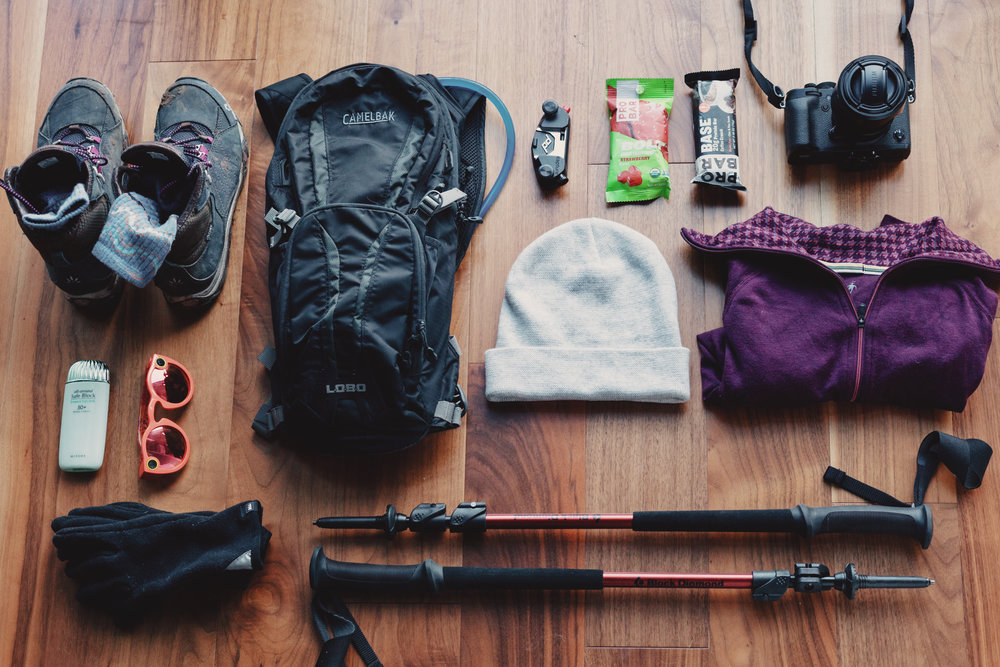
Packing for Gorilla Trekking
Packing for Gorilla Trekking
Packing for Gorilla Trekking: The Essential Gear Checklist for a Comfortable, Safe, and Successful Adventure.
Gorilla trekking is one of the most profound wildlife encounters on Earth immersive, raw, and deeply moving. It’s also physically demanding and famously weather-dependent. One moment you’re hiking under bright sun; the next you’re pushing through misty rainforest with mud on your boots and raindrops on your sleeves. That’s why packing well is not just about comfort it’s about safety, endurance, and making sure nothing distracts you from the once-in-a-lifetime moment when you finally meet a mountain gorilla family face to face.
This guide walks you through exactly what to pack for gorilla trekking, why each item matters, and how to prepare for the realities of rainforest terrain.
Why Gorilla Trekking Packing Matters More Than Most Trips
Gorilla trekking is not a typical nature walk. It often includes:
- Steep ascents and descents
- Thick vegetation and stinging nettles
- Slippery mud and wet rock
- Sudden rain and persistent humidity
- Long hours on foot (sometimes 1–6+ hours depending on gorilla location)
A good packing list reduces fatigue, prevents injuries, and helps you stay warm and dry. The right clothing also protects you from scratches, insects, and rain without adding unnecessary bulk.
If you’re still choosing your itinerary or need help matching the right destination to your fitness level, you can explore safari planning support via Turkana Wildlife Safaris.
The Gorilla Trekking Packing List (What You Actually Need)
1) The Best Clothing for Gorilla Trekking (Layered, Protective, Practical)
The rainforest demands coverage more than style. Prioritize durable, breathable, quick-drying materials.
Pack these core clothing items:
- Long-sleeve trekking shirt (lightweight, breathable)
- Long trekking pants (preferably quick-dry; avoid shorts)
- Waterproof rain jacket or poncho (light but reliable)
- Warm mid-layer (fleece or light insulated jacket)
- 2–3 pairs of moisture-wicking socks (wool blend works well)
- Gaiters (optional but highly recommended in muddy months)
Why long sleeves and long pants matter:
- Protect against scratches from vines and shrubs
- Reduce insect bites
- Keep you warmer in cool, damp forest conditions
Color tip: choose neutral tones (greens, browns, dark grey). Avoid bright colors that can stand out in the forest.
For broader safari packing principles especially if your gorilla trek is combined with a classic wildlife circuit check guidance and trip ideas on Turkana Wildlife Safaris.
2) The Right Footwear: Boots That Grip, Support, and Survive Mud
Your boots can make or break your trek. Don’t underestimate how slippery the trails get.
Ideal trekking boots should have:
- Aggressive tread for traction
- Ankle support
- Water resistance (or quick drainage if they get soaked)
- Enough space for thicker socks (no toe-crushing)
Also pack:
- Lightweight camp shoes or sandals (for evenings and lodge downtime)
- Blister plasters / moleskin (small item, huge impact)
Pro tip: Break in your boots before your trip. New boots in a rainforest are a recipe for pain.
3) Gloves: The Small Item That Changes Everything
In gorilla habitats, you may need to hold onto branches, grab vines, and push through stinging nettles.
Bring:
- Lightweight gardening gloves or trekking gloves
They protect your hands from:
- Thorns
- Nettles
- Rough bark
- Wet, slippery grips
4) Daypack Essentials: What to Carry During the Trek
A comfortable daypack keeps your hands free and your essentials protected.
Choose a daypack with:
- 20–30L capacity
- Rain cover (or use a dry bag liner)
- Comfortable shoulder straps and a waist belt
Pack inside:
- Water (at least 1–2 liters)
- High-energy snacks (nuts, energy bars, dried fruit)
- Rain gear
- Camera and protective bag
- Small towel or buff
- Hand sanitizer
- Tissue / toilet paper (important)
- Personal medications
Many travelers hire porters highly recommended, especially if you’re carrying camera gear or you want to conserve energy for the gorilla encounter itself. Porters also support local livelihoods.
If you want an itinerary that combines gorilla trekking with other regional highlights, browse planning options at Turkana Wildlife Safaris.
5) Rain Protection: The Forest Will Test Your Waterproofing
Even in drier seasons, rain is common. Your comfort depends on staying as dry as possible.
Rain protection checklist:
- Waterproof jacket (with a hood that actually fits)
- Backpack rain cover
- Dry bags / ziplock bags for electronics and documents
- Waterproof pouch for phone
Optional but useful:
- Quick-dry travel towel
- Lightweight poncho (extra coverage for you and pack)
6) Health, Hygiene, and Comfort Items
Being prepared for minor discomforts keeps your focus on the experience.
Pack:
- Insect repellent (apply before the trek; avoid over-spraying near gorillas)
- Sunscreen (even in cloudy conditions)
- Basic first-aid kit (plasters, antiseptic wipes, pain relief)
- Anti-diarrhea tablets and oral rehydration salts (good travel practice)
- Wet wipes (small pack)
- Lip balm
- Refillable water bottle (or hydration bladder)
Important note: Gorilla trekking rules generally discourage close contact. If you’re ill (especially with respiratory symptoms), you may not be allowed to trek. Pack masks if advised by local regulations or your operator.
7) Camera and Tech: Capture the Moment Without Overpacking
Gorilla encounters are close, emotional, and often in low light under canopy.
Recommended:
- Camera with good low-light performance
- Zoom lens (mid-range zoom is usually enough)
- Extra battery (cold and damp can drain power)
- Microfiber cloth (humidity fogs lenses)
- Waterproof camera cover or dry bag
Avoid:
- Flash photography (commonly prohibited)
- Overly bulky gear that slows you down
What Not to Pack (Common Mistakes)
Some items seem useful but become annoying in rainforest trekking.
Skip:
- Jeans (heavy when wet, slow to dry)
- Cotton t-shirts (stay damp and cold)
- Strong perfumes (not appropriate around wildlife)
- Bright, reflective clothing
- Heavy, hard-sided luggage (soft duffels are easier for safari logistics)
Packing by Season: Dry Season vs. Wet Season
Dry season packing adjustments
Even in “dry” months, you’ll still see mud and rain showers.
Add/Focus on:
- Breathable layers
- Lighter rain shell
- Extra water
Wet season packing adjustments
Expect persistent mud and dampness.
Add/Upgrade:
- Better waterproofing (jacket + pack cover + dry bags)
- Gaiters
- Extra socks
- Stronger boot tread
If you’re unsure when to travel for the best balance of trail conditions and visibility, consult trip timing guidance through Turkana Wildlife Safaris.
Gorilla Trekking Documents & Money: Don’t Forget the Basics
Keep these organized and protected from rain:
- Passport (and a photocopy)
- Gorilla trekking permit details (printed + digital)
- Travel insurance information
- Cash for tips (porters, guides, lodge staff)
- Cards + small currency notes
Carry documents in:
- A waterproof document pouch
- A ziplock bag inside your daypack
Gorilla Trekking Tip Etiquette (Budgeting and Packing for It)
Tipping practices vary by destination and operator, but it’s common to tip:
- Lead guide / ranger
- Trackers
- Porters (if hired)
Packing tip: Bring a small envelope system so you can separate tips by role without fumbling in the rain.
Quick Gorilla Trekking Packing Checklist
Clothing
- Long-sleeve trekking shirts
- Long trekking pants
- Fleece / warm layer
- Waterproof jacket
- Moisture-wicking socks (2–3 pairs)
- Gloves
- Hat / cap
Footwear
- Trekking boots
- Gaiters (recommended)
- Camp shoes
Trek Day Essentials
- Daypack + rain cover
- Water (1–2L)
- Snacks
- Camera + extra battery
- Dry bags / ziplocks
- Small towel / buff
- Hand sanitizer + tissues
Health & Protection
- Insect repellent
- Sunscreen
- First aid basics
- Personal meds
Documents & Money
- Passport + copies
- Permits / confirmations
- Insurance details
- Cash for tips
FAQ: Packing for Gorilla Trekking
1) Do I really need waterproof gear for gorilla trekking?
Yes. Rainforest weather changes quickly, and damp clothing makes the trek colder and more tiring. A waterproof jacket and a backpack cover are among the highest-value items you can pack.
2) Can I wear leggings or yoga pants for gorilla trekking?
You can, but they’re not ideal unless they’re thick and abrasion-resistant. Trails can be thorny and muddy. Durable trekking pants offer better protection and usually dry faster.
3) How heavy should my daypack be?
Aim for light: usually 3–6 kg depending on camera gear and water. The goal is to conserve energy and stay agile on slippery terrain. Hiring a porter helps significantly.
4) Are hiking poles allowed for gorilla trekking?
Often yes, and they can be extremely helpful on steep or muddy slopes. In many places you can rent or borrow a walking stick locally, which is a good alternative to packing poles.
5) What’s the single most forgotten item for gorilla trekking?
Gloves and extra socks. Gloves protect against nettles and rough vegetation; dry socks can dramatically improve comfort after a wet trek.