
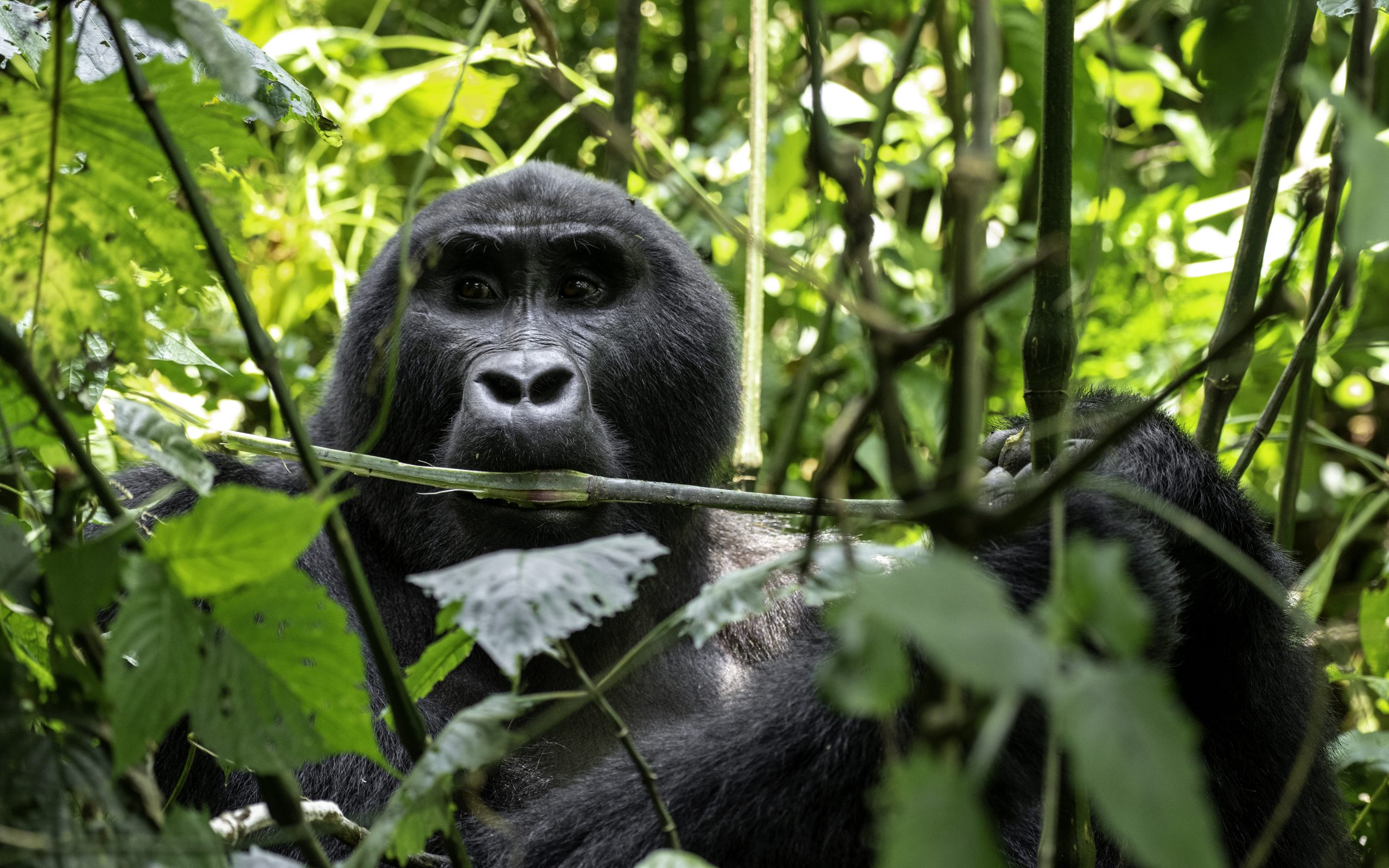
What happens during the Gorilla pre-trek briefing
What happens during the Gorilla pre-trek briefing
What Happens During a Gorilla Pre‑Trek Briefing?
A gorilla pre‑trek briefing is the short but crucial orientation that happens before you enter the forest to track mountain gorillas. It aligns everyone on safety, gorilla etiquette, group rules, health precautions, and what to expect on the trail, so the experience is both unforgettable and responsible.
1) Check‑in, permits, and identity verification
Before anything else, the rangers/tour leaders confirm:
- Your gorilla trekking permit details (date, sector/park, group)
- Your passport/ID (often required to match permit allocations)
- Your group assignment and start time
If you booked through a tour operator, they may also confirm your itinerary, pickup logistics, and lodge arrangements. For planning support and booking, see:
2) Health screening and “who can trek today” decisions
Because gorillas can catch human respiratory illnesses, briefings emphasize health. Rangers commonly ask if anyone has:
- Flu/cold symptoms (coughing, fever, sore throat)
- Recent exposure to contagious illness
- Severe physical limitations that could compromise safety
If you’re unwell, you may be advised (or required) not to trek. This protects the gorillas and the group.
3) Introduction to gorilla families and the day’s plan
The lead ranger explains:
- The gorilla family you will track (or how groups are allocated)
- Estimated hiking difficulty (terrain, steepness, altitude, mud)
- Expected time ranges (tracking can be 30 minutes to several hours)
- The one-hour viewing limit once you reach the gorillas (standard rule)
They’ll set realistic expectations: wildlife is wild, and sightings/positioning can vary.
4) Core gorilla etiquette (the most important part)
You’ll be guided on behavior that keeps gorillas calm and reduces risk:
- Keep a minimum distance (often ~7 meters, enforced as conditions allow)
- No touching gorillas (ever)
- No flash photography
- Keep voices low; avoid sudden movements
- If a gorilla approaches, stay calm and follow ranger instructions
- Do not eat or drink near gorillas
- Do not litter; pack out everything
These rules aren’t optional rangers will reinforce them repeatedly.
For a safari operator’s broader responsible travel context, start here:
5) Safety instructions (people, terrain, and wildlife)
Rangers explain practical safety, including:
- Walking order (rangers typically front/back; guests in the middle)
- What to do if you encounter forest animals (buffalo/elephants may occur in some habitats)
- How to use a walking stick (if provided)
- Staying on the ranger’s path; avoiding shortcuts
- Managing fatigue, dehydration, and slips/falls
You’ll also get reminders about weather (sudden rain is common) and trail conditions.
6) Assignment of trackers, rangers, and optional porters
You’re introduced to the team:
- Lead ranger guide (briefing + on-trail command)
- Armed ranger (security in some regions)
- Trackers (left early to locate gorillas and communicate their position)
- Porters (optional but strongly recommended)
Porters can carry daypacks, help on steep sections, and support local livelihoods. If you’re considering a full gorilla trekking package with logistics included, check:
7) Gear check: what you should have before leaving
During or right after the briefing, they’ll often visually confirm you have:
- Waterproof jacket/poncho
- Long pants and long sleeves (nettles/insects)
- Good hiking boots with grip
- Gloves (helpful for gripping vegetation)
- Drinking water + snacks
- Camera with spare battery (and flash disabled)
- Daypack with rain cover
If something is missing, this is the moment to arrange it before the drive/walk to the trailhead.
8) Final Q&A and the “last reminders”
The ranger typically closes with:
- A quick recap of distance, behavior, and photography rules
- Confirmation of group size and pace expectations
- A reminder to respect ranger decisions at all times
- Where to meet, when to depart, and how to proceed to the starting point
This is your chance to ask about:
- Fitness level and pacing
- Bathroom breaks on the trail
- Photography tips (without disturbing gorillas)
- What happens if it rains (you trek anyway)