
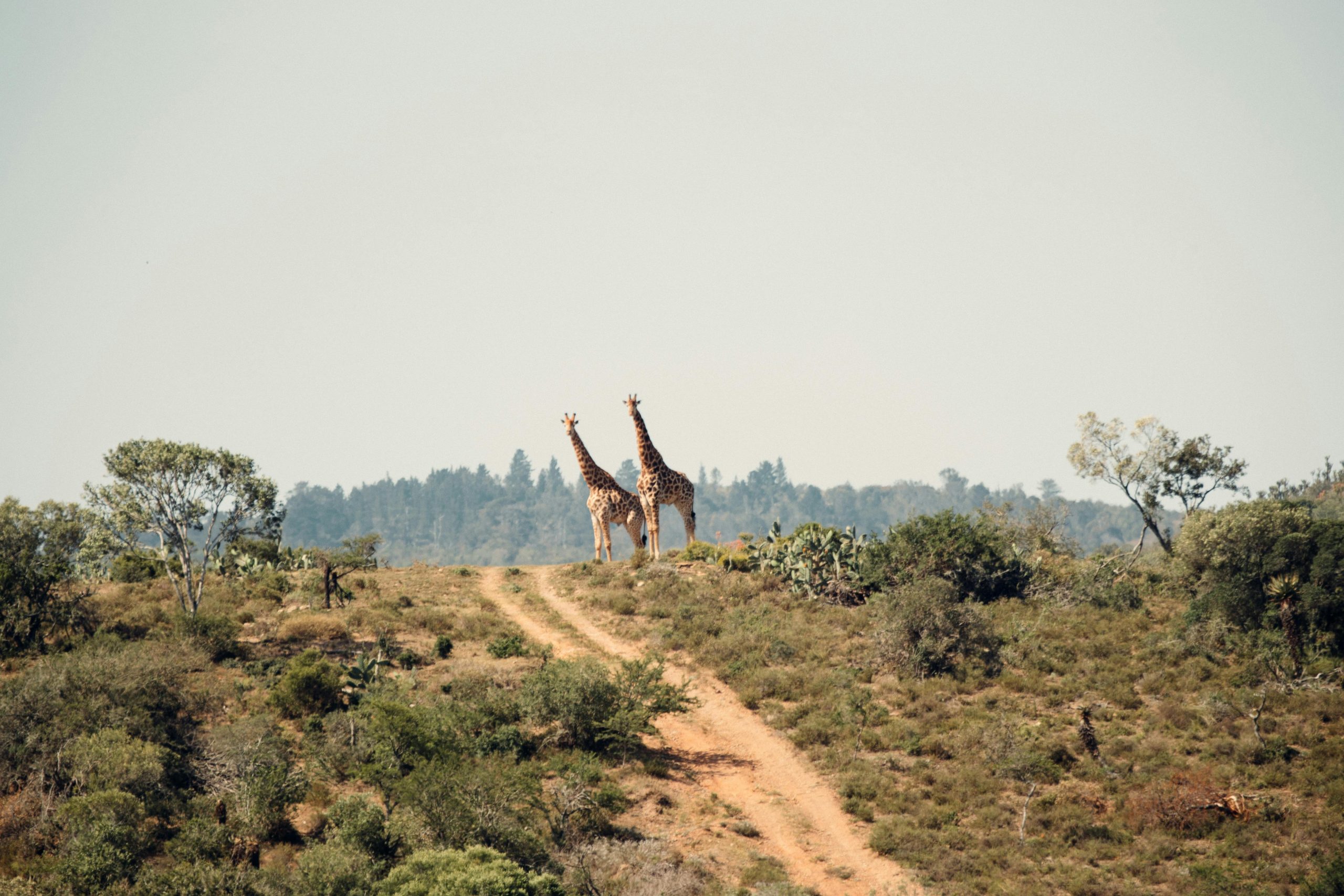
Photo Safaris in Uganda
Photo Safaris in Uganda
Photo Safaris in Uganda: Capturing the Heart of Africa Through the Lens
Uganda, known as the “Pearl of Africa,” offers an untamed beauty that few destinations can match. From the mist-covered peaks of the Rwenzori Mountains to the jungle depths of Bwindi Impenetrable Forest, this East African gem is the ultimate haven for wildlife enthusiasts, nature lovers, and most importantly, photographers. Photo safaris in Uganda promise a kaleidoscope of biodiversity, cultures, and unparalleled encounters with both iconic and rare species—all perfectly framed through your camera lens.
For travelers seeking the ultimate photographic experience, Turkana Wildlife Safaris curates immersive, expertly guided tours across Uganda’s most breathtaking regions. Their commitment to conservation and responsible tourism enriches every trip with authenticity and raw adventure.
Why Uganda Is a Premier Destination for Photography Safaris
Uganda is unique among African safari destinations due to its diverse ecosystems. While countries like Kenya and Tanzania boast expansive savannahs, Uganda complements these with rainforests, mountains, crater lakes, and wetlands, allowing for an astonishing range of photographic opportunities.
Key Highlights for Photographers
- Mountain gorilla trekking in Bwindi Impenetrable National Park
- Chimpanzee tracking in Kibale National Park
- Classic game drives in Queen Elizabeth and Murchison Falls National Parks
- Shoebill stork spotting in Mabamba Swamp
- Golden monkey photography at Mgahinga Gorilla National Park
With such a range of subjects—from primates to predators and landscapes to local tribes—Uganda fosters moments that are nothing short of legendary.
The Signature Photo Safari Experience
Turkana Wildlife Safaris’ Custom Photography Tours
For both amateur and professional photographers, Turkana Wildlife Safaris crafts itineraries tailored specifically for capturing that award-winning shot. Whether you’re shooting with a DSLR, mirrorless, or high-powered zoom lens, their guides understand animal behavior and lighting opportunities perfectly, maximizing every possible frame. They know when the golden hour bathes Queen Elizabeth National Park and where to catch the last shimmer of daylight over Lake Bunyonyi.
Features of a Turkana Photography Safari:
- Small-group or private departures
- Early morning and late afternoon game drives
- Professional photographic guides
- Beanbags and camera mounts provided
- Off-the-beaten-track access for authentic and undisturbed encounters
- Post-processing and editing advice offered for those who request it
Best Places in Uganda for Wildlife Photography
Bwindi Impenetrable Forest
Declaring itself in the name, Bwindi is as wild and impenetrable as it is enchanted. This UNESCO World Heritage site is home to nearly half the global population of mountain gorillas. A single hour spent with these primates, observing their human-like interaction, is often the most powerful photographic experience in Uganda.
- Gorilla families are habituated for tourism, offering ethically managed photo opportunities
- The jungle canopy presents dynamic lighting challenges perfect for creative compositions
Book your trek with Turkana Wildlife Safaris Bwindi Tours.
Queen Elizabeth National Park
Queen Elizabeth National Park is a haven for biodiversity and stunning landscapes that demand wide-angle and telephoto exploration.
- Tree-climbing lions of Ishasha
- Hippo pods along the Kazinga Channel
- Flamingos and exotic migratory birds at Lake Munyanyange
- A mosaic of crater lakes ideal for wide-panorama shots
Murchison Falls National Park
Known for the thunderous Murchison Falls, where the Nile squeezes through a tiny gorge, this park is a favorite for action shots of elephants bathing and Giraffes among palm-dotted savannahs.
Explore more via this Murchison Falls itinerary.
Kibale Forest National Park
Track wild chimpanzees through this lush rainforest and capture their curious expressions under a diffused green canopy.
- Ideal for fast-shutter photography
- Opportunities to photograph over 13 species of primates
Lake Mburo National Park
Lake Mburo’s tranquil surroundings and absence of large carnivores make it ideal for walking safaris and macro photography of butterflies, reptiles, and birds.
Photograph zebras, elands, and Uganda’s only impalas in intimate proximity.
Essential Photography Gear for Uganda Safaris
Recommended Equipment:
- DSLR or Mirrorless Camera Bodies
- 70-200mm telephoto lens for wildlife
- 24-70mm lens for landscapes and portraits
- 400mm or longer lenses for birds and distant wildlife
- Extra memory cards and backup storage
- Carbon fiber tripod or monopod
- Polarizing and ND filters
- Rain covers and dust-proof camera bags
Pro tip: If you’re uncertain, Turkana Safaris offers pre-trip gear consultations!
Unique Cultural Photography Opportunities
Beyond its wildlife, Uganda is a rich tapestry of cultures, tribes, and traditions, offering fulfilling experiences for those interested in ethnographic photography.
Meet Uganda’s Indigenous Tribes:
- Batwa pygmies near Bwindi
- Karamojong warriors in northeastern Uganda
- Bark cloth artisans of Buganda Kingdom
- Toro Kingdom’s royal heritage
Photographing people requires sensitivity and cultural understanding. Turkana Wildlife Safaris arranges immersive experiences where respectful, ethical photography coexists with community benefit programs.
Best Time of Year for a Uganda Photo Safari
Dry Season (June–Sept & Dec–Feb):
- Best visibility for wildlife
- Comfortable trekking conditions for gorilla and chimpanzee trails
- More vibrant sunsets and dynamic lighting
Wet Season (March–May & Oct–Nov):
- Lush green backdrops ideal for wide landscape and macro photography
- Fewer tourists, offering a more private experience
- Ideal for bird watchers and photographers
Tips for Ethical and Impactful Wildlife Photography
- Never bait or provoke animals to get a reaction shot
- Maintain the recommended distance from wildlife
- Avoid flash when photographing primates
- Support local communities by purchasing handmade photo books or crafts
- Share your images responsibly and give back
Turkana Wildlife Safaris upholds a commitment to conservation photography—helping clients shoot with purpose while supporting worthy ecological initiatives.
FAQ – Photo Safaris in Uganda
1. What’s the difference between a regular safari and a photo safari?
A photo safari is designed for photographers. It allows more time per sighting, vehicle modifications for gear use, and guides trained in photo composition, lighting, and animal behavior to maximize photographic opportunities.
2. Is it safe to bring expensive gear to Uganda?
Yes, Uganda’s wildlife parks are generally safe. Turkana Safaris ensures all logistics are secure. Bring gear insurance and use hotel safes or secure transport cases.
3. How do I photograph mountain gorillas without flash?
Use a fast lens (f/2.8 or f/4), hike ISO settings, and shoot in burst mode to catch subtle behavior. The jungle is dim, so a camera with good low-light performance is key.
4. Can I charge my camera equipment in the lodges?
Yes, most lodges on Turkana itineraries offer 24/7 charging with UK or European outlets. Bring a power bank or solar charger for field use during long trekking days.
5. What permits do I need for primate photography?
You’ll need gorilla or chimpanzee tracking permits, which Turkana Wildlife Safaris can organize on your behalf. Cameras are allowed, but drones are restricted without advanced approval.
Conclusion: A Visual Symphony in the Heart of Africa
A photo safari in Uganda isn’t just a trip—it’s a story waiting to be told through your lens. From the coats of elephants splashed with river mud, to the powerful gaze of a silverback gorilla in a misty jungle, every moment is an opportunity to connect with wildness—and preserve it through imagery.
For those ready to embark on this journey, Turkana Wildlife Safaris remains the premier partner in crafting once-in-a-lifetime photographic adventures across Uganda. Capturing beauty is only part of it—understanding it, preserving it, and honoring it is what truly defines a legacy behind the lens.