
Religions in Africa
Religions in Africa
Religions in Africa: A Comprehensive Overview
Introduction
Africa, often referred to as the “cradle of humanity,” is a continent rich in cultural diversity, history, and spirituality. The religious landscape of Africa is as varied as its people, with a blend of indigenous beliefs, Christianity, Islam, and other faiths that have shaped the continent’s spiritual identity. This article delves into the history, development, and contemporary practices of religions in Africa, exploring how these belief systems have evolved and influenced African societies.
The Historical Roots of African Religions
Indigenous African Religions
Before the introduction of Christianity and Islam, Africa was home to a wide variety of indigenous religions. These belief systems were deeply rooted in the natural world and the ancestral spirits. Indigenous African religions are often characterized by:
- Animism: The belief that natural objects, such as trees, rivers, and animals, possess a spiritual essence.
- Ancestor Worship: Reverence for deceased ancestors, who are believed to influence the living.
- Rituals and Ceremonies: Practices that connect the physical and spiritual worlds, often involving music, dance, and offerings.
These indigenous religions were not monolithic but varied significantly across regions and ethnic groups. For example, the Yoruba religion in West Africa, with its pantheon of deities known as Orishas, differs from the beliefs of the Zulu people in Southern Africa, who emphasize the role of ancestors and the divine king.
The Spread of Christianity in Africa
Christianity made its first significant appearance in Africa during the early centuries of the Common Era. The Coptic Church of Egypt, one of the oldest Christian communities in the world, was established in the 1st century AD. Over time, Christianity spread to other parts of Africa, particularly with the arrival of European missionaries during the colonial period.
Key factors in the spread of Christianity include:
- Colonialism: European powers, particularly the British, French, and Portuguese, used Christianity as a tool for cultural assimilation.
- Missionary Work: Missionaries played a crucial role in establishing schools, hospitals, and churches, which facilitated the spread of Christianity.
- Translation of the Bible: The translation of the Bible into local languages made Christianity more accessible to African populations.
Today, Christianity is the dominant religion in many African countries, particularly in Sub-Saharan Africa. Nations like Nigeria, Kenya, and South Africa have large Christian populations, with a variety of denominations, including Catholicism, Protestantism, and Pentecostalism.
The Arrival and Growth of Islam in Africa
Islam was introduced to Africa in the 7th century through trade and conquest. The religion spread rapidly across North Africa and into West Africa via the Trans-Saharan trade routes. Key factors in the spread of Islam include:
- Trade: Muslim traders from the Middle East and North Africa brought Islam to West Africa, where it was adopted by local rulers and merchants.
- Conquest: The spread of the Arab Empire facilitated the spread of Islam in North Africa and parts of East Africa.
- Education: Islamic scholars established centers of learning, such as the famous Timbuktu in Mali, which attracted students from across the Muslim world.
Today, Islam is the dominant religion in North Africa and parts of West Africa. Countries like Egypt, Morocco, and Senegal have large Muslim populations, with Sunni Islam being the predominant sect.
Contemporary Religious Practices in Africa
Christianity in Modern Africa
Christianity in Africa has evolved significantly since its introduction. Today, African Christianity is characterized by:
- Pentecostalism: A rapidly growing movement that emphasizes the role of the Holy Spirit, miracles, and personal salvation.
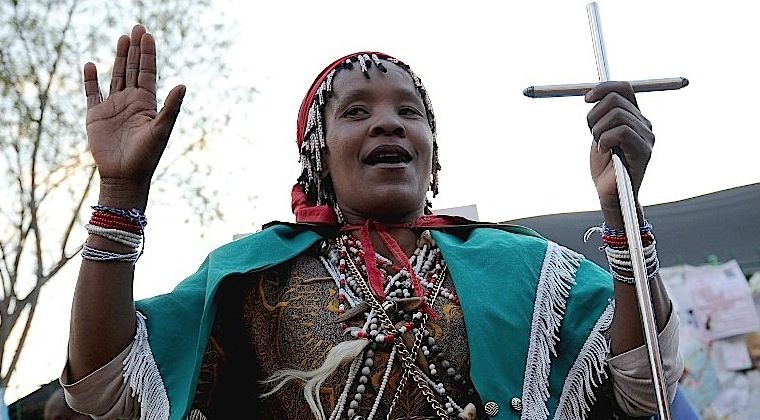
- African Independent Churches: Churches that have broken away from traditional denominations to incorporate African cultural practices and beliefs.
- Social and Political Influence: In many African countries, Christian leaders play a significant role in politics and social movements, advocating for issues such as human rights and social justice.
Islam in Modern Africa
Islam in Africa has also undergone significant changes, particularly with the rise of Islamic reform movements and the influence of global Islamic trends. Key features of contemporary African Islam include:
- Sufism: A mystical branch of Islam that emphasizes personal spirituality and the veneration of saints. Sufism is particularly strong in West Africa.
- Salafism: A conservative movement that seeks to return to the practices of the early Muslim community. Salafism has gained influence in parts of North and East Africa.
- Political Islam: In some African countries, Islamic political movements have emerged, advocating for the implementation of Sharia law and greater political power for Muslims.
Indigenous Religions in the Modern Era
Despite the spread of Christianity and Islam, indigenous African religions continue to thrive in many parts of the continent. These religions have adapted to modernity in various ways:
- Syncretism: In many cases, indigenous beliefs have blended with Christianity or Islam, resulting in unique religious practices. For example, in Nigeria, many Christians also practice traditional Yoruba rituals.
- Cultural Preservation: Indigenous religions are often closely tied to cultural identity, and efforts to preserve these traditions are ongoing. Festivals, rituals, and ceremonies continue to play a central role in the lives of many African communities.
The Role of Religion in African Society
Religion plays a central role in African society, influencing everything from politics to education. Key areas where religion has a significant impact include:
- Politics: In many African countries, religious leaders and organizations wield considerable political power. For example, in Nigeria, both Christian and Muslim leaders have a strong influence on government policies.
- Education: Religious institutions, particularly Christian and Islamic schools, play a crucial role in providing education in many African countries. These schools often offer a combination of religious and secular education.
- Social Movements: Religion has been a driving force behind many social movements in Africa, including the fight against apartheid in South Africa and the push for democracy in countries like Sudan.
Challenges Facing Religions in Africa
While religion continues to play a vital role in African society, it also faces several challenges:
- Religious Conflict: In some parts of Africa, religious tensions have led to violence and conflict. For example, in Nigeria, clashes between Christians and Muslims have resulted in thousands of deaths.
- Secularism: As African societies modernize, there is a growing trend towards secularism, particularly among younger generations. This has led to a decline in religious adherence in some areas.
- Globalization: The spread of global religious movements, such as evangelical Christianity and radical Islam, has led to tensions between traditional African beliefs and foreign religious influences.
Conclusion
The religious landscape of Africa is incredibly diverse, shaped by centuries of history, culture, and spirituality. From the indigenous religions that have been practiced for millennia to the spread of Christianity and Islam, religion continues to play a central role in the lives of millions of Africans. As Africa continues to evolve, so too will its religious practices, adapting to the challenges and opportunities of the modern world.
FAQ
1. What are the main religions in Africa?
The main religions in Africa are Christianity, Islam, and indigenous African religions. Christianity is dominant in Sub-Saharan Africa, while Islam is prevalent in North Africa and parts of West Africa. Indigenous African religions are still practiced, particularly in rural areas.
2. How did Christianity spread in Africa?
Christianity spread in Africa through European colonization, missionary work, and the translation of the Bible into local languages. The religion was introduced to Africa in the 1st century AD, but its widespread adoption occurred during the colonial period.
3. What is the role of indigenous African religions today?
Indigenous African religions continue to play a significant role in African society, particularly in rural areas. These religions are often practiced alongside Christianity or Islam, resulting in syncretic religious practices.
4. How has Islam influenced African culture?
Islam has had a profound influence on African culture, particularly in areas such as architecture, education, and law. Islamic scholars established centers of learning, and Islamic art and architecture can be seen in cities like Cairo and Timbuktu.
5. What challenges do religions in Africa face today?
Religions in Africa face several challenges, including religious conflict, secularism, and the influence of globalization. In some areas, tensions between Christians and Muslims have led to violence, while younger generations are increasingly turning away from traditional religious practices.