
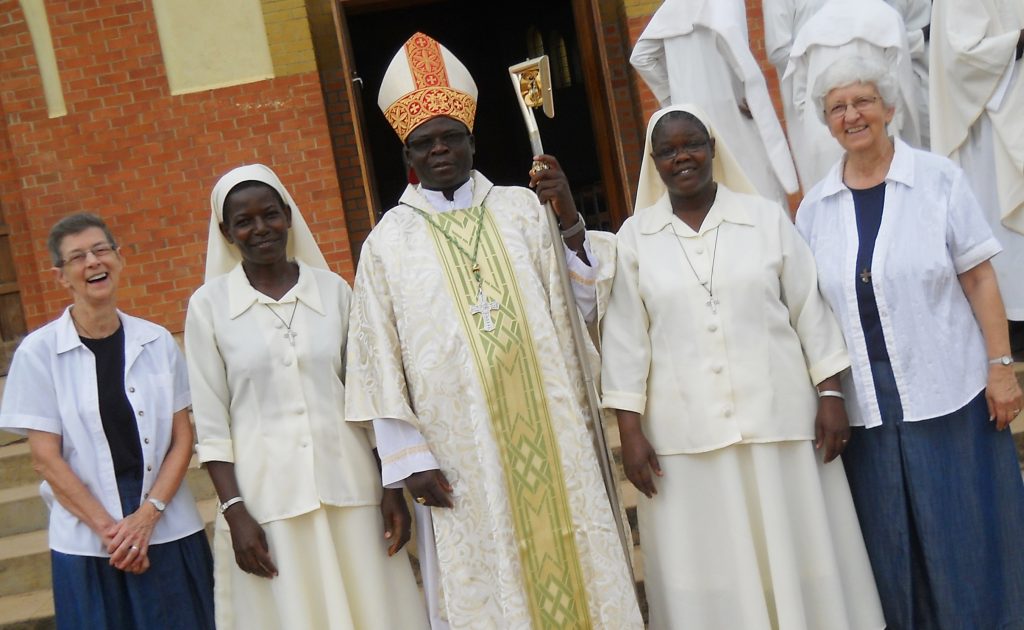
Religious Communities in Uganda
Religious Communities in Uganda
Religious Communities in Uganda: A Comprehensive Overview
Introduction
Uganda, known as the “Pearl of Africa,” is a country rich in cultural and religious diversity. With a population of over 45 million people, Uganda is home to various religious communities that have shaped its social, political, and cultural landscape. The country’s religious composition is primarily Christian, but it also includes significant Muslim and indigenous religious groups. In this article, we will explore the different religious communities in Uganda, their historical backgrounds, and their impact on Ugandan society.
Historical Background of Religion in Uganda
Pre-Colonial Religious Practices
Before the arrival of foreign religions, Uganda was home to several indigenous belief systems. These traditional religions were deeply rooted in the worship of ancestors, nature spirits, and deities. Each ethnic group had its own set of beliefs, rituals, and practices that were integral to their way of life. For example, the Baganda people worshipped gods like Kibuuka and Mukasa, while the Acholi and Lango peoples had their own spiritual leaders known as ajwaki.
The Arrival of Christianity
Christianity was introduced to Uganda in the late 19th century by European missionaries. The Anglican Church was the first to establish a presence, followed by the Roman Catholic Church. These missionaries played a significant role in the education and health sectors, building schools and hospitals that are still operational today. The Martyrs of Uganda, a group of 45 Christians who were executed between 1885 and 1887 for their faith, are revered as saints in both the Catholic and Anglican traditions.
The Spread of Islam
Islam arrived in Uganda earlier than Christianity, around the mid-19th century, through Arab traders from the coast of East Africa. The religion initially spread among the Buganda Kingdom, where it was embraced by some members of the royal family. However, Islam’s growth was slower compared to Christianity due to political and social factors. Today, Islam remains a significant religion in Uganda, particularly in urban areas and among specific ethnic groups like the Basoga and Baganda.
Major Religious Communities in Uganda
1. Christianity
Roman Catholicism
The Roman Catholic Church is the largest Christian denomination in Uganda, with approximately 40% of the population identifying as Catholic. The church has a strong presence in education, healthcare, and social services. Catholicism in Uganda is deeply intertwined with the history of the Uganda Martyrs, who are celebrated annually on Martyrs’ Day at the Namugongo Shrine.
Anglicanism (Church of Uganda)
The Church of Uganda, part of the global Anglican Communion, is the second-largest Christian denomination in the country. It has a significant influence on Uganda’s political and social life. The church is known for its role in promoting education, with many of Uganda’s top schools being Anglican-founded institutions.
Pentecostal and Evangelical Churches
In recent decades, Pentecostalism and Evangelical Christianity have seen rapid growth in Uganda. These churches are known for their energetic worship services, emphasis on personal salvation, and focus on prosperity theology. Prominent Pentecostal leaders, such as Pastor Robert Kayanja and Apostle John Mulinde, have gained significant followings.
2. Islam
Islam constitutes about 14% of Uganda’s population. The majority of Ugandan Muslims are Sunni, following the Shafi’i school of thought. However, there is also a small community of Shi’a Muslims. Islamic institutions in Uganda include mosques, schools (madrasas), and charitable organizations. The Uganda Muslim Supreme Council is the main body that oversees Islamic affairs in the country.
3. Indigenous Religions
Although the influence of indigenous religions has waned due to the spread of Christianity and Islam, they still play a role in certain rural areas. Traditional healers, known as witch doctors or herbalists, continue to be consulted for spiritual and health-related matters. Some Ugandans also participate in traditional ceremonies, such as the Imbalu circumcision ritual among the Bagisu people.
4. Other Religious Communities
Judaism
A small community of Abayudaya Jews exists in eastern Uganda. This group converted to Judaism in the early 20th century under the leadership of Semei Kakungulu, a local chief. The Abayudaya practice Orthodox Judaism and have established synagogues and schools in their community.
Hinduism and Sikhism
Uganda is also home to a small population of Hindus and Sikhs, primarily descendants of Indian immigrants who arrived during the British colonial period. These communities have built temples and gurdwaras, particularly in urban areas like Kampala and Jinja.
The Role of Religion in Ugandan Society
Education
Religious institutions have played a pivotal role in shaping Uganda’s education system. Many of the country’s top schools, such as St. Mary’s College Kisubi and Gayaza High School, were founded by Christian missionaries. Islamic schools, or madrasas, also provide education to Muslim children, focusing on both secular and religious subjects.
Healthcare
Religious organizations are heavily involved in Uganda’s healthcare sector. The Catholic Church runs numerous hospitals and clinics, including the renowned Nsambya Hospital in Kampala. Similarly, the Anglican Church and Islamic charities operate health facilities across the country.
Politics and Religion
Religion has a significant influence on Ugandan politics. Many politicians openly express their religious beliefs, and religious leaders often comment on political issues. For example, the Inter-Religious Council of Uganda (IRCU) plays a role in advocating for peace and social justice, particularly during election periods.
Challenges Facing Religious Communities in Uganda
Religious Tensions
While Uganda is generally known for its religious tolerance, there have been instances of tension between different religious groups. For example, conflicts have arisen between Pentecostal churches and traditional religious practices, with some Pentecostal leaders condemning indigenous beliefs as “satanic.”
The Rise of Extremism
In recent years, Uganda has faced the threat of religious extremism, particularly from groups like the Allied Democratic Forces (ADF), a militant group with Islamic roots. The Ugandan government has taken measures to combat extremism, but the issue remains a concern.
Secularism and Modernization
As Uganda continues to modernize, there is a growing trend towards secularism, particularly among the younger generation. This shift presents a challenge for religious institutions, which must find ways to remain relevant in a rapidly changing society.
Conclusion
Uganda’s religious landscape is a testament to the country’s rich cultural diversity. From the traditional beliefs of indigenous communities to the widespread influence of Christianity and Islam, religion plays a central role in the lives of Ugandans. As the country continues to evolve, its religious communities will undoubtedly continue to shape its future.
FAQ
1. What is the largest religious community in Uganda?
The largest religious community in Uganda is Christianity, with the Roman Catholic Church being the largest denomination, followed by the Anglican Church.
2. How did Islam arrive in Uganda?
Islam was introduced to Uganda in the mid-19th century through Arab traders from the East African coast. It initially spread among the Buganda Kingdom.
3. Are there Jewish communities in Uganda?
Yes, there is a small community of Abayudaya Jews in eastern Uganda, who converted to Judaism in the early 20th century under the leadership of Semei Kakungulu.
4. What role do religious institutions play in Uganda’s education system?
Religious institutions, particularly Christian and Islamic organizations, have played a significant role in Uganda’s education system by establishing schools and universities.
5. Is there religious tolerance in Uganda?
Yes, Uganda is generally known for its religious tolerance, although there have been occasional instances of tension between different religious groups.