
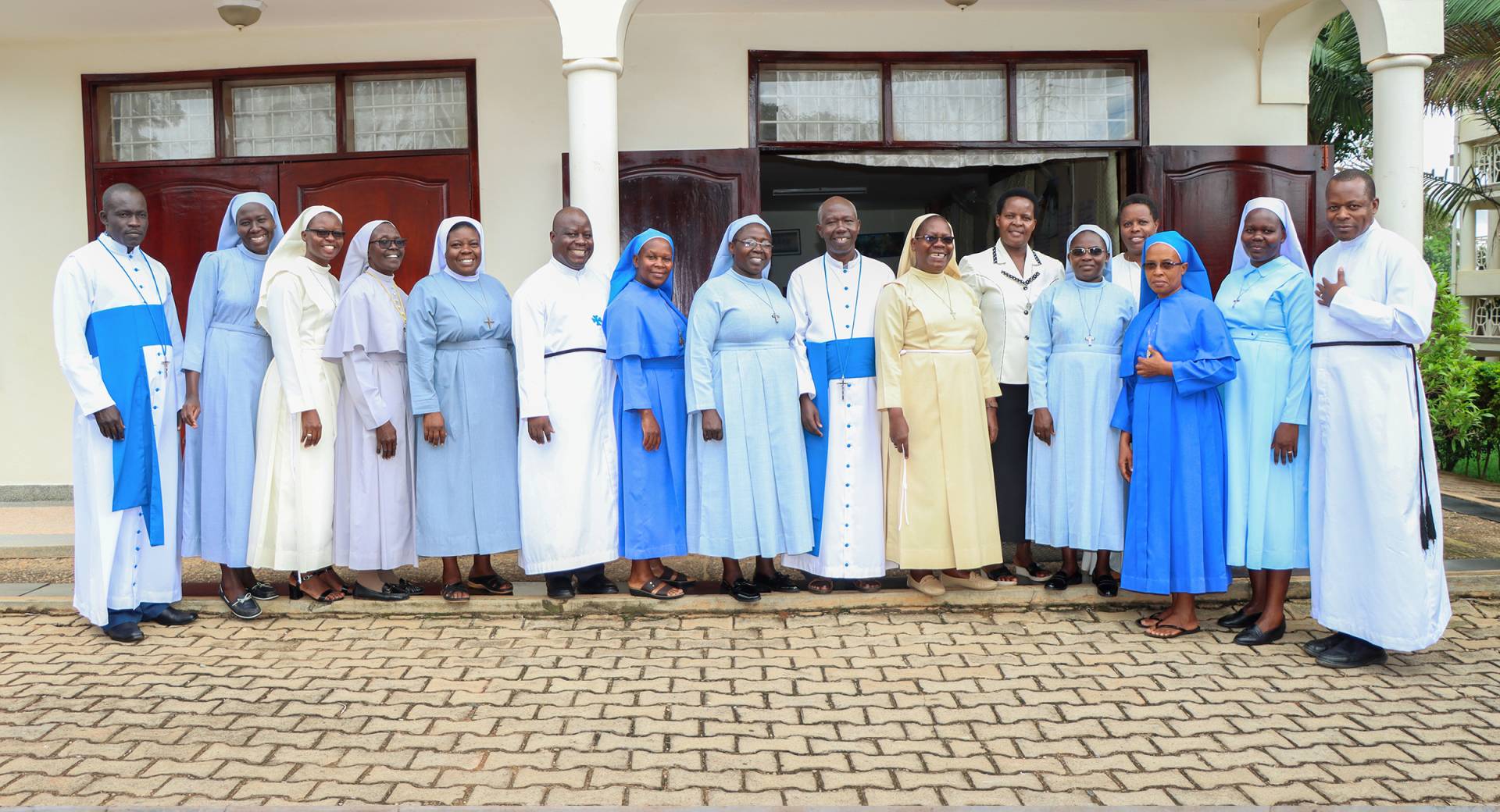
Religious Institutions in Uganda
Religious Institutions in Uganda
Religious Institutions in Uganda: A Comprehensive Overview
Introduction
Uganda, a country located in East Africa, is known for its rich cultural diversity and deep-rooted religious traditions. Over the years, religious institutions in Uganda have played a significant role in shaping the social, political, and economic landscape of the nation. From Christianity and Islam to indigenous beliefs, Uganda’s religious institutions have influenced various aspects of life, including education, healthcare, and governance.
This article delves deep into the history, influence, and current state of religious institutions in Uganda, offering an expert analysis of how these institutions continue to impact the country’s development. We’ll also explore the challenges they face and their role in promoting peace and unity in a diverse society.
Historical Background of Religious Institutions in Uganda
The Arrival of Christianity
Christianity was introduced to Uganda in the late 19th century, primarily through missionaries from Europe. The Church Missionary Society (CMS), representing the Anglican Church, arrived in 1877, followed by the White Fathers, who represented the Roman Catholic Church, in 1879. These two Christian denominations quickly gained influence, establishing schools, hospitals, and churches across the country.
The spread of Christianity was not without challenges, as it often clashed with traditional beliefs and practices. However, over time, Christianity became deeply ingrained in Ugandan society, with both the Anglican and Catholic churches playing a pivotal role in the country’s education and healthcare systems.
The Growth of Islam
Islam was introduced to Uganda earlier than Christianity, around the mid-19th century, through Arab traders who traveled from the East African coast. The religion initially spread through the Buganda Kingdom, where it gained a significant following. Kibuli Mosque, one of the oldest and most prominent mosques in Uganda, stands as a testament to the long-standing presence of Islam in the country.
Despite early resistance from Christian missionaries and colonial authorities, Islam has continued to grow in Uganda, and today, it is the second-largest religion in the country.
Indigenous Beliefs and Practices
Before the arrival of foreign religions, Uganda was home to various indigenous beliefs and practices. These traditional religions were often centered around the worship of ancestors, spirits, and nature. While the influence of these indigenous beliefs has waned over time, they still play a role in the cultural practices of certain communities, particularly in rural areas.
The Role of Religious Institutions in Uganda’s Development
Education
Religious institutions have been instrumental in the development of Uganda’s education system. The Anglican Church and the Catholic Church were among the first to establish schools in the country, many of which continue to operate today. These schools have produced some of Uganda’s most prominent leaders, including politicians, businesspeople, and academics.
In addition to formal education, religious institutions also play a role in providing moral and ethical guidance to students. Many schools in Uganda incorporate religious teachings into their curricula, helping to shape the values and beliefs of future generations.
Healthcare
Religious institutions in Uganda have also made significant contributions to the healthcare sector. Missionary hospitals, such as Nsambya Hospital (Catholic) and Mengo Hospital (Anglican), were some of the first modern healthcare facilities in the country. These hospitals continue to provide essential medical services to Ugandans, particularly in rural areas where access to healthcare is limited.
In addition to providing medical care, religious institutions often engage in public health campaigns, promoting awareness of issues such as HIV/AIDS, malaria, and maternal health.
Social and Political Influence
Religious institutions in Uganda have historically played a significant role in shaping the country’s political landscape. During the colonial period, religious leaders were often involved in negotiations with colonial authorities, and after independence, they continued to influence national politics.
In recent years, religious leaders have been vocal on various social and political issues, including corruption, human rights, and governance. For example, the Inter-Religious Council of Uganda (IRCU), a coalition of religious leaders from different faiths, has been actively involved in promoting peace and reconciliation in the country, particularly during times of political unrest.
Challenges Facing Religious Institutions in Uganda
Religious Tensions
While Uganda is generally considered a peaceful country, there have been instances of religious tensions, particularly between different Christian denominations and between Christians and Muslims. These tensions are often fueled by competition for followers and resources, as well as differences in religious practices and beliefs.
Religious institutions in Uganda must navigate these tensions carefully to maintain peace and unity in the country. The Inter-Religious Council of Uganda has played a key role in promoting dialogue and understanding between different religious groups.
The Rise of Secularism
As Uganda continues to modernize, there has been a gradual rise in secularism, particularly among the younger generation. Many young Ugandans are becoming less religious, opting for more secular lifestyles and beliefs. This shift presents a challenge for religious institutions, which must find new ways to remain relevant in an increasingly secular society.
Financial Constraints
Many religious institutions in Uganda rely on donations and contributions from their followers to fund their activities. However, economic challenges in the country have made it difficult for some institutions to sustain their operations. This has led to a decline in the quality of services provided by religious schools and hospitals, particularly in rural areas.
The Future of Religious Institutions in Uganda
Despite the challenges they face, religious institutions in Uganda continue to play a vital role in the country’s development. As Uganda grows and changes, these institutions will need to adapt to remain relevant and effective. This may involve embracing new technologies, engaging with younger generations, and finding innovative ways to address social and economic issues.
Religious institutions will also need to continue promoting peace and unity in Uganda, particularly in light of the country’s diverse religious landscape. By fostering dialogue and understanding between different religious groups, these institutions can help to build a more cohesive and harmonious society.
FAQ
1. What are the main religions in Uganda?
The main religions in Uganda are Christianity and Islam. Christianity is the dominant religion, with the majority of Ugandans identifying as either Anglican or Catholic. Islam is the second-largest religion, followed by a small percentage of the population practicing indigenous beliefs.
2. How have religious institutions contributed to education in Uganda?
Religious institutions, particularly the Anglican Church and the Catholic Church, have played a significant role in the development of Uganda’s education system. They were among the first to establish schools in the country, many of which continue to operate today. These schools have produced some of Uganda’s most prominent leaders.
3. What role do religious institutions play in healthcare in Uganda?
Religious institutions have been instrumental in providing healthcare services in Uganda. Missionary hospitals, such as Nsambya Hospital and Mengo Hospital, were some of the first modern healthcare facilities in the country. These institutions continue to provide essential medical services, particularly in rural areas.
4. What challenges do religious institutions face in Uganda?
Religious institutions in Uganda face several challenges, including religious tensions, the rise of secularism, and financial constraints. These challenges have made it difficult for some institutions to sustain their operations and remain relevant in an increasingly modern and secular society.
5. How do religious institutions promote peace and unity in Uganda?
Religious institutions in Uganda, particularly through organizations like the Inter-Religious Council of Uganda (IRCU), promote peace and unity by fostering dialogue and understanding between different religious groups. They also play a role in addressing social and political issues, such as corruption and human rights, which contribute to national stability.
Conclusion
Religious institutions in Uganda have a long and rich history, and they continue to play a vital role in the country’s development. From education and healthcare to social and political influence, these institutions have shaped Uganda’s past and will continue to influence its future. Despite the challenges they face, religious institutions remain a cornerstone of Ugandan society, promoting peace, unity, and progress in a rapidly changing world.