
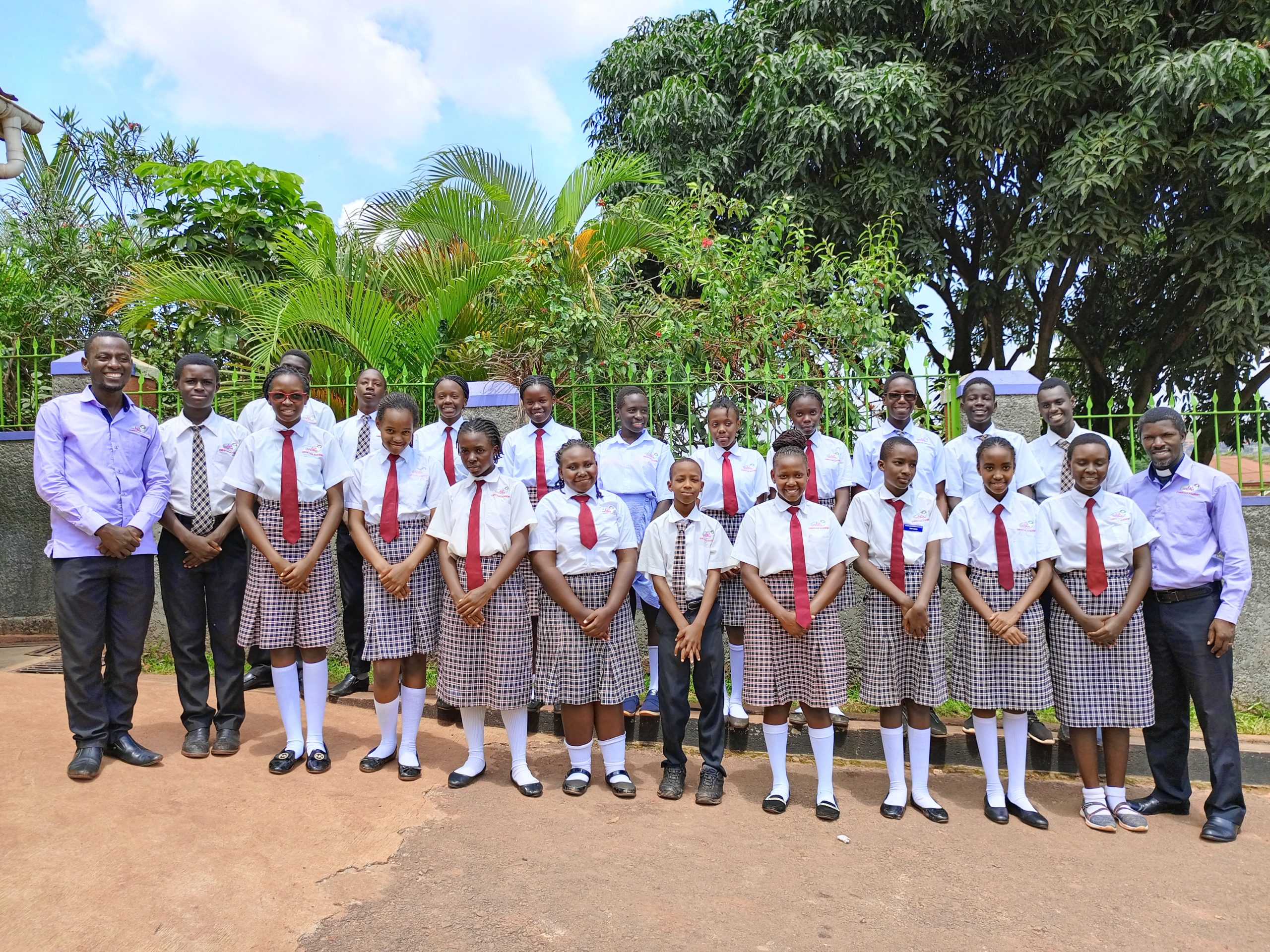
Religious Schools in Uganda
Religious Schools in Uganda: A Comprehensive Overview
Introduction
Religious schools in Uganda have played a significant role in shaping the country’s educational landscape. These institutions, often affiliated with various religious denominations, have contributed to the holistic development of students by integrating faith-based teachings with academic excellence. Over the years, religious schools have become a cornerstone of Uganda’s education system, offering both primary and secondary education to millions of students.
In this article, we will explore the history, impact, and current state of religious schools in Uganda. We will also discuss the challenges these schools face and their contributions to the broader educational framework in the country.
The History of Religious Schools in Uganda
Early Beginnings
Religious schools in Uganda trace their origins back to the late 19th century when Christian missionaries from Europe arrived in the country. These missionaries, primarily from the Catholic and Anglican churches, established schools as part of their evangelization efforts. The first schools were set up in the Buganda Kingdom, which was the center of political and cultural power at the time.
The Catholic Church, through the White Fathers, and the Anglican Church, through the Church Missionary Society (CMS), were instrumental in establishing the first formal schools in Uganda. These schools aimed to educate the local population in both religious and secular subjects, with a strong emphasis on literacy, numeracy, and Christian teachings.
Expansion of Religious Schools
As the influence of Christianity spread across Uganda, so did the establishment of religious schools. By the early 20th century, religious schools had become the dominant form of education in the country. The Catholic and Anglican churches were the primary providers of education, but other denominations, such as the Seventh-day Adventists and Muslims, also began to establish their own schools.
The colonial government recognized the importance of these religious schools and provided support in the form of grants and teacher training. This partnership between the government and religious institutions helped to expand access to education across the country, particularly in rural areas.
The Role of Religious Schools in Uganda’s Education System
Academic Excellence
Religious schools in Uganda have a reputation for academic excellence. Many of the top-performing schools in the country, such as St. Mary’s College Kisubi and Gayaza High School, are religious institutions. These schools consistently produce high-achieving students who go on to excel in higher education and professional careers.
The emphasis on discipline, moral values, and a strong work ethic in religious schools contributes to their academic success. Students are encouraged to strive for excellence not only in their studies but also in their personal development.
Moral and Spiritual Development
One of the defining features of religious schools in Uganda is their focus on moral and spiritual development. These schools integrate religious teachings into their curricula, with students receiving instruction in their respective faiths. For example, Catholic schools emphasize the teachings of the Catholic Church, while Islamic schools focus on the principles of Islam.
This religious instruction is seen as essential for the holistic development of students. It helps to instill values such as honesty, integrity, and compassion, which are considered important for personal and societal well-being.
Inclusivity and Diversity
While religious schools in Uganda are affiliated with specific faiths, many of them are open to students from different religious backgrounds. This inclusivity has helped to foster a sense of unity and understanding among students of different faiths. For example, it is not uncommon to find Muslim students attending Catholic schools or Christian students attending Islamic schools.
This diversity within religious schools reflects the broader religious pluralism in Uganda, where different faiths coexist peacefully. It also provides students with an opportunity to learn about and appreciate different religious traditions.
Challenges Facing Religious Schools in Uganda
Funding and Resources
One of the major challenges facing religious schools in Uganda is the lack of adequate funding and resources. While some religious schools receive support from their respective religious organizations, many rely on government grants and tuition fees to operate. This can result in disparities in the quality of education provided, particularly in rural areas where resources are limited.
In some cases, religious schools struggle to maintain infrastructure, pay teachers, and provide learning materials. This can negatively impact the quality of education and limit the opportunities available to students.
Balancing Religious and Secular Education
Another challenge facing religious schools in Uganda is the need to balance religious instruction with secular education. While religious teachings are an important part of the curriculum, schools must also ensure that students receive a well-rounded education that prepares them for the modern world.
This can be particularly challenging in a rapidly changing society where there is increasing demand for skills in science, technology, engineering, and mathematics (STEM). Religious schools must find ways to integrate these subjects into their curricula while maintaining their religious identity.
Government Regulations
Religious schools in Uganda are subject to government regulations, which can sometimes create tension between religious institutions and the state. For example, the government may impose certain standards or requirements that conflict with the religious teachings or practices of a particular school.
In recent years, there have been debates over issues such as the teaching of sex education in religious schools, with some religious leaders expressing concerns that certain topics may contradict their faith-based values. Navigating these regulatory challenges requires careful negotiation between religious institutions and the government.
The Future of Religious Schools in Uganda
Adapting to a Changing World
As Uganda continues to develop and modernize, religious schools will need to adapt to the changing needs of society. This includes embracing new technologies, updating curricula to include more STEM subjects, and finding ways to address the challenges of funding and resource allocation.
At the same time, religious schools must remain true to their core mission of providing moral and spiritual education. This balance between tradition and innovation will be key to the continued success of religious schools in Uganda.
Expanding Access to Education
Religious schools have the potential to play a significant role in expanding access to education in Uganda, particularly in underserved rural areas. By partnering with the government and other stakeholders, religious schools can help to bridge the gap in educational opportunities and ensure that all children have access to quality education.
This will require increased investment in infrastructure, teacher training, and learning materials, as well as a commitment to inclusivity and diversity.
Conclusion
Religious schools in Uganda have a long and rich history, and they continue to play a vital role in the country’s education system. These schools are known for their academic excellence, moral and spiritual development, and inclusivity. However, they also face challenges such as funding, balancing religious and secular education, and navigating government regulations.
As Uganda moves forward, religious schools will need to adapt to the changing needs of society while maintaining their core values. With the right support and investment, religious schools can continue to provide quality education and contribute to the development of the country.
Frequently Asked Questions (FAQ)
1. What are the main types of religious schools in Uganda?
The main types of religious schools in Uganda include Catholic, Anglican, Islamic, and Seventh-day Adventist schools. These institutions are affiliated with their respective religious denominations and integrate faith-based teachings into their curricula.
2. Are religious schools in Uganda open to students of all faiths?
Yes, many religious schools in Uganda are open to students from different religious backgrounds. While these schools are affiliated with specific faiths, they often welcome students of other religions, fostering a sense of inclusivity and diversity.
3. How do religious schools in Uganda balance religious and secular education?
Religious schools in Uganda aim to provide a well-rounded education by balancing religious instruction with secular subjects. While religious teachings are an important part of the curriculum, schools also focus on academic subjects such as mathematics, science, and languages.
4. What challenges do religious schools in Uganda face?
Religious schools in Uganda face several challenges, including funding and resource limitations, balancing religious and secular education, and navigating government regulations. These challenges can impact the quality of education and the ability of schools to meet the needs of their students.
5. What is the future of religious schools in Uganda?
The future of religious schools in Uganda will depend on their ability to adapt to the changing needs of society. This includes embracing new technologies, updating curricula, and expanding access to education in underserved areas. With the right support, religious schools can continue to play a vital role in Uganda’s education system.
This article provides a comprehensive overview of religious schools in Uganda, highlighting their history, role, challenges, and future prospects. By addressing key topics such as academic excellence, moral development, and inclusivity, this article aims to provide valuable insights for anyone interested in the education system in Uganda.