
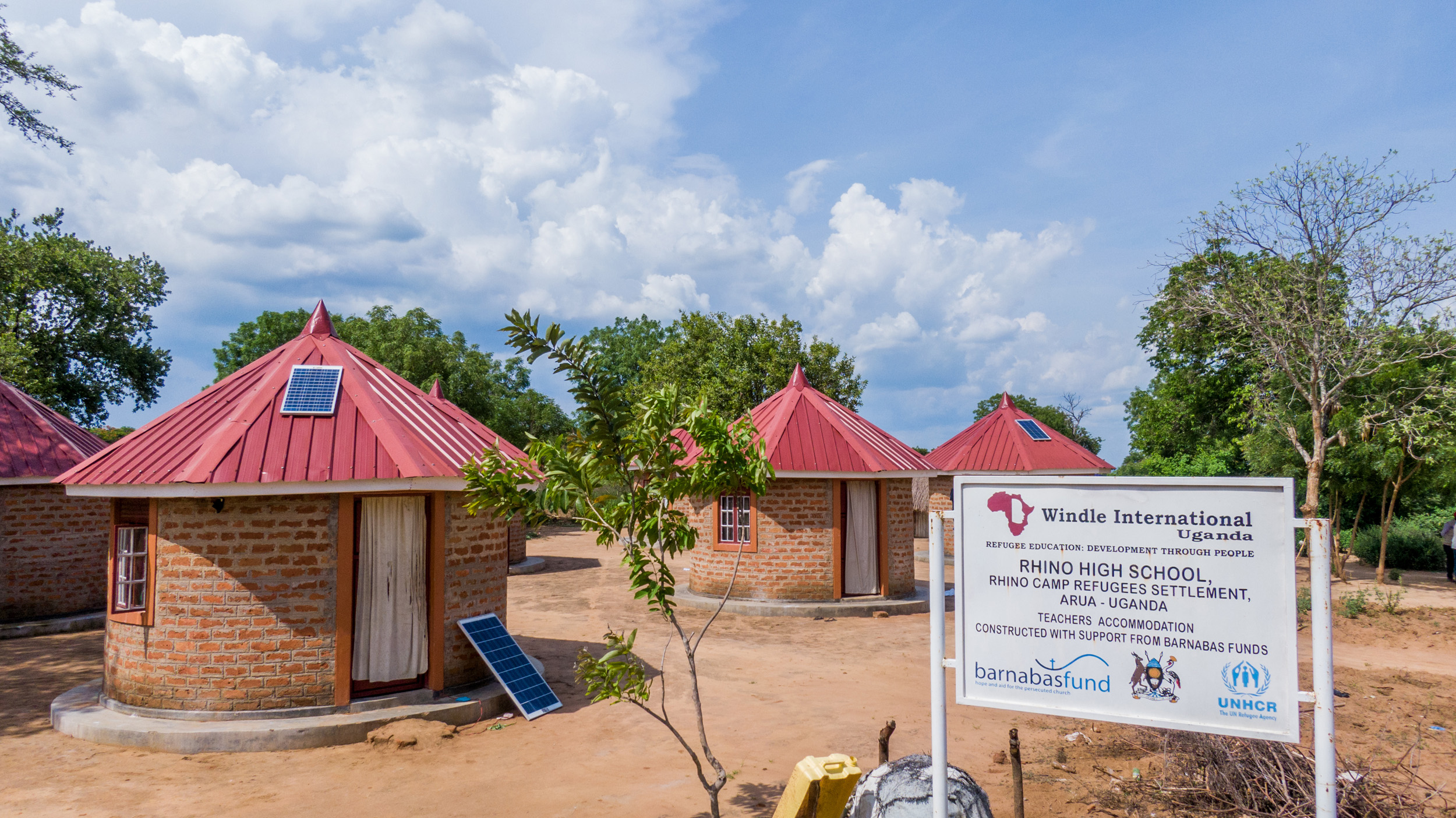
Rhino Camp Arua
Rhino Camp Arua
Exploring Rhino Camp: A Comprehensive Guide to Its History, Purpose, and Impact
Introduction
Rhino Camp is more than just a name; it represents a sanctuary of hope, resilience, and humanitarian efforts. Situated in the heart of Uganda, Rhino Camp is a settlement that has become a beacon of support for refugees fleeing conflict and seeking a new beginning. This article delves into the intricate details of Rhino Camp, exploring its history, purpose, and the profound impact it has had on the lives of thousands. We will also examine the challenges it faces and the ongoing efforts to improve the conditions for its inhabitants.
The History of Rhino Camp
Origins of Rhino Camp
Rhino Camp was established in the early 1980s as a response to the influx of refugees fleeing conflict in neighboring countries, particularly South Sudan. Over the years, the camp has expanded significantly, accommodating thousands of refugees who have sought safety and stability. Its name, “Rhino Camp,” is derived from the region’s historical association with rhinoceroses, symbolizing strength and resilience.
Key Milestones in Rhino Camp’s Development
- 1980s: Initial establishment to provide shelter for refugees.
- 1990s: Expansion due to increased refugee arrivals from Sudan.
- 2010s: Significant growth during the South Sudanese Civil War, with the camp becoming one of the largest refugee settlements in Uganda.
- Present Day: Continuous efforts to improve infrastructure, healthcare, education, and livelihood opportunities for residents.
The Purpose of Rhino Camp
A Safe Haven for Refugees
Rhino Camp serves as a critical refuge for individuals and families escaping violence, persecution, and instability. It provides immediate shelter, food, and medical care to those in need. The camp is managed by the Office of the Prime Minister (OPM) of Uganda, in collaboration with international organizations such as the United Nations High Commissioner for Refugees (UNHCR).
Promoting Self-Reliance
One of the unique aspects of Rhino Camp is its focus on promoting self-reliance among refugees. Through various programs, residents are encouraged to engage in agriculture, small businesses, and vocational training. This approach not only empowers individuals but also reduces dependency on external aid.
Community Integration
Uganda’s progressive refugee policy allows refugees in Rhino Camp to integrate with local communities. This fosters a sense of belonging and mutual support, creating a harmonious coexistence between refugees and host communities.
The Impact of Rhino Camp
Humanitarian Achievements
Rhino Camp has played a pivotal role in saving lives and restoring hope for countless refugees. Some of its notable achievements include:
- Healthcare Services: Establishment of clinics and health centers to address medical needs.
- Education: Construction of schools to provide education for children and youth.
- Livelihood Programs: Initiatives to support income generation and skill development.
Challenges and Resilience
Despite its successes, Rhino Camp faces numerous challenges, including:
- Overcrowding due to the continuous influx of refugees.
- Limited resources to meet the growing demand for services.
- Environmental degradation caused by deforestation and overuse of natural resources.
However, the resilience of the camp’s residents and the unwavering support of humanitarian organizations have enabled Rhino Camp to overcome these obstacles and continue its mission.
The Future of Rhino Camp
Sustainable Development Goals
Efforts are underway to align Rhino Camp’s operations with the United Nations Sustainable Development Goals (SDGs). Key focus areas include:
- Quality Education: Expanding access to education for all age groups.
- Clean Water and Sanitation: Improving water supply and sanitation facilities.
- Decent Work and Economic Growth: Enhancing livelihood opportunities for refugees.
Innovations and Partnerships
Innovative solutions and partnerships are being explored to address the challenges faced by Rhino Camp. For instance:
- Solar energy projects to provide sustainable electricity.
- Collaboration with tech companies to introduce digital learning platforms.
- Partnerships with environmental organizations to promote reforestation and conservation.
FAQs About Rhino Camp
1. What is Rhino Camp?
Rhino Camp is a refugee settlement in Uganda that provides shelter, support, and opportunities for refugees fleeing conflict and persecution. It is managed by the Ugandan government and international organizations like the UNHCR.
2. Where is Rhino Camp located?
Rhino Camp is located in the Arua District of northern Uganda, near the border with South Sudan.
3. Who lives in Rhino Camp?
The camp is home to refugees from various countries, primarily South Sudan. It also includes members of the local host community who interact and coexist with the refugees.
4. What services are available in Rhino Camp?
Rhino Camp offers a range of services, including healthcare, education, food distribution, and livelihood programs. Efforts are also made to improve water and sanitation facilities.
5. How can I support Rhino Camp?
You can support Rhino Camp by donating to organizations like the UNHCR, volunteering your time, or raising awareness about the challenges faced by refugees.
Conclusion
Rhino Camp stands as a testament to the power of humanity and resilience. It is a place where lives are rebuilt, dreams are rekindled, and hope is restored. While challenges remain, the collective efforts of governments, organizations, and individuals continue to make a difference in the lives of those who call Rhino Camp home. By understanding and supporting initiatives like Rhino Camp, we can contribute to a brighter future for refugees and displaced individuals worldwide.