
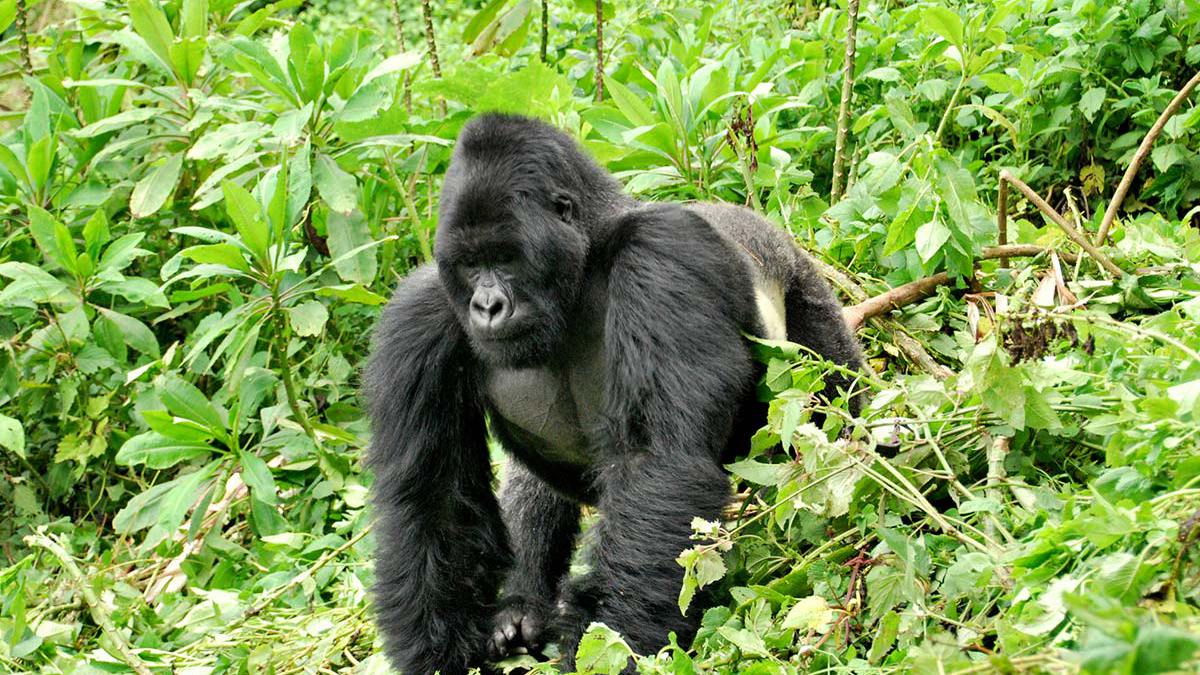
Rushaga Sector
Rushaga Sector
The Ultimate Guide to the Rushaga Sector: Gateway to Gorilla Trekking in Uganda
Introduction to the Rushaga Sector
Nestled in the southern part of the renowned Bwindi Impenetrable National Park, the Rushaga Sector is a premier destination for travelers seeking an intimate encounter with the majestic mountain gorillas. Known for its accessibility, diversity of gorilla families, and breathtaking landscapes, Rushaga offers an unparalleled experience for eco-tourists and wildlife enthusiasts.
This comprehensive guide explores everything you need to know about the Rushaga Sector—from its location and gorilla families to accommodation, permits, and travel tips. Whether you’re planning your first gorilla trekking adventure or returning for another unforgettable journey, this article will help you make the most of your visit.
📍 Where is the Rushaga Sector Located?
The Rushaga Sector lies in the southern region of Bwindi Impenetrable Forest, within Uganda’s Kisoro District. It is one of the four main sectors of Bwindi, alongside Buhoma, Ruhija, and Nkuringo. Its proximity to Rwanda makes it a strategic entry point for tourists coming from Kigali.
Key Highlights of the Location:
- Borders the Mgahinga Gorilla National Park
- Approximately 8–10 hours’ drive from Kampala
- 4–5 hours’ drive from Kigali, Rwanda
- Accessible via Kisoro Airstrip
Gorilla Trekking in Rushaga: A Unique Experience
Rushaga is celebrated for hosting the highest number of habituated gorilla families in Bwindi. This makes it a top choice for travelers looking to increase their chances of securing a gorilla trekking permit.
Gorilla Families in Rushaga:
- Nshongi Group – Once the largest gorilla family in Bwindi
- Mishaya Group – Known for its playful juveniles
- Kahungye Group – A relatively large group with multiple silverbacks
- Bweza Group – Offers a peaceful trekking experience
- Busingye Group – Famous for its dominant silverback
- Rwigi Group – A newer addition to the Rushaga trekking options
- Mucunguzi Group – Split from the larger Kahungye group
Each group offers a different dynamic, from family size to terrain and behavior, making every trek a unique adventure.
How to Get to Rushaga Sector
Traveling to Rushaga can be an adventure in itself. Depending on your starting point, you can choose between road and air travel.
By Road:
- From Kampala: Approximately 8–10 hours via Mbarara and Kabale
- From Kigali: 4–5 hours through Cyanika border post
- From Entebbe: Similar to the Kampala route, with options for overnight stops
By Air:
- Chartered flights from Entebbe International Airport to Kisoro Airstrip
- Transfer from Kisoro to Rushaga by road (1–2 hours)
🚗 Pro Tip: Opt for 4×4 vehicles during the rainy season, as roads can become slippery and challenging.
Gorilla Trekking Permits in Rushaga
A gorilla trekking permit is mandatory for all visitors. These permits are issued by the Uganda Wildlife Authority (UWA), and it’s advisable to book them months in advance due to high demand.
Permit Costs:
- Foreign Non-Residents: $800 USD
- Foreign Residents: $700 USD
- East African Citizens: UGX 300,000
How to Book:
- Directly through UWA
- Via registered tour operators
- Through travel agencies offering gorilla trekking packages
🎫 Note: Permit fees include park entry, ranger guides, and one hour with the gorillas.
Accommodation Options in Rushaga
Rushaga offers a wide range of accommodation, from budget-friendly lodges to luxurious eco-resorts. Most lodges are located within a short distance of the park headquarters.
Top Lodges in Rushaga:
- Rushaga Gorilla Camp – Mid-range, panoramic views, and close to the trailhead
- Ichumbi Gorilla Lodge – Eco-friendly with personalized service
- Four Gorillas Lodge – Luxury option with modern amenities
- Gorilla Valley Lodge – Budget-friendly with local cuisine
- Bwindi Jungle Lodge – Located on Lake Mulehe, ideal for relaxation
🛎️ Booking Tip: Choose lodges that offer guided treks and transportation to the park gate.
Other Activities in the Rushaga Sector
While gorilla trekking is the main attraction, Rushaga also offers a variety of other eco-tourism experiences.
Cultural Encounters:
- Batwa Trail Experience – Learn about the indigenous Batwa pygmies
- Community Walks – Visit local schools, markets, and artisan centers
Nature Activities:
- Bird Watching – Spot over 350 species including the African green broadbill
- Hiking Trails – Explore the forest on guided nature walks
- Waterfall Visits – Short treks to hidden waterfalls within the forest
📸 Don’t forget your camera—Rushaga is a paradise for nature photographers.
What to Pack for Your Trip
Preparing for the terrain and climate is essential for a successful trek.
Essential Gear:
- Waterproof hiking boots
- Long-sleeved shirts and trousers
- Rain jacket or poncho
- Insect repellent
- Reusable water bottle
- Gardening gloves (for grabbing vegetation)
- Binoculars and camera (no flash)
🎒 Pack light but smart—porters are available for hire at the trailhead.
Best Time to Visit Rushaga
Uganda has a tropical climate with two main seasons. The best time for gorilla trekking is during the dry seasons:
Dry Seasons:
- June to September
- December to February
Rainy Seasons:
- March to May
- October to November
While trekking is possible year-round, the dry months offer better trail conditions and clearer views.
Health & Safety Tips
Your health and safety are paramount when trekking in remote areas.
Health Precautions:
- Get vaccinated for Yellow Fever, Hepatitis A & B, and Typhoid
- Carry anti-malaria medication
- Bring a basic first-aid kit
- Wear a mask during gorilla encounters (to prevent disease transmission)
Safety Guidelines:
- Always follow your ranger guide’s instructions
- Maintain a 7-meter distance from gorillas
- Do not trek if you’re ill—gorillas are susceptible to human diseases
🧬 Remember: Conservation starts with responsible tourism.
Conservation and Community Impact
Rushaga is a model for community-based conservation. A portion of every permit fee goes directly to local communities and conservation efforts.
Community Benefits:
- Employment opportunities (guides, porters, lodge staff)
- Infrastructure development (schools, clinics)
- Support for local artisans and cultural groups
🤝 By visiting Rushaga, you’re contributing to the protection of endangered species and the empowerment of local communities.
Frequently Asked Questions (FAQ)
1. How difficult is gorilla trekking in Rushaga?
Trekking difficulty varies by group location and terrain. Some treks are short and easy, while others involve steep climbs. A moderate level of fitness is recommended.
2. Can I choose which gorilla family to visit?
While preferences can be noted, assignments are made by park rangers based on fitness levels and group size. Early arrival increases your chances of getting your preferred group.
3. Is it safe to travel to Rushaga?
Yes, Rushaga is safe for tourists. The area is patrolled by park rangers and the Uganda Wildlife Authority ensures visitor safety. Always travel with a licensed tour operator.
4. What is the minimum age for gorilla trekking?
The minimum age is 15 years. This is to ensure safety and minimize stress on the gorillas.
5. Can I combine Rushaga with other destinations?
Absolutely. Popular combinations include:
- Queen Elizabeth National Park
- Lake Bunyonyi
- Mgahinga Gorilla National Park
- Kibale Forest for chimpanzee trekking
Final Thoughts: Why Choose Rushaga?
The Rushaga Sector is more than just a gateway to gorilla trekking—it’s a holistic wildlife and cultural experience. With the highest number of habituated gorilla families, diverse lodging options, and meaningful community interactions, Rushaga stands out as a top-tier destination for eco-conscious travelers.
Whether you’re a seasoned adventurer or a first-time visitor to Uganda, Rushaga offers a once-in-a-lifetime opportunity to connect with nature, support conservation, and create unforgettable memories.