
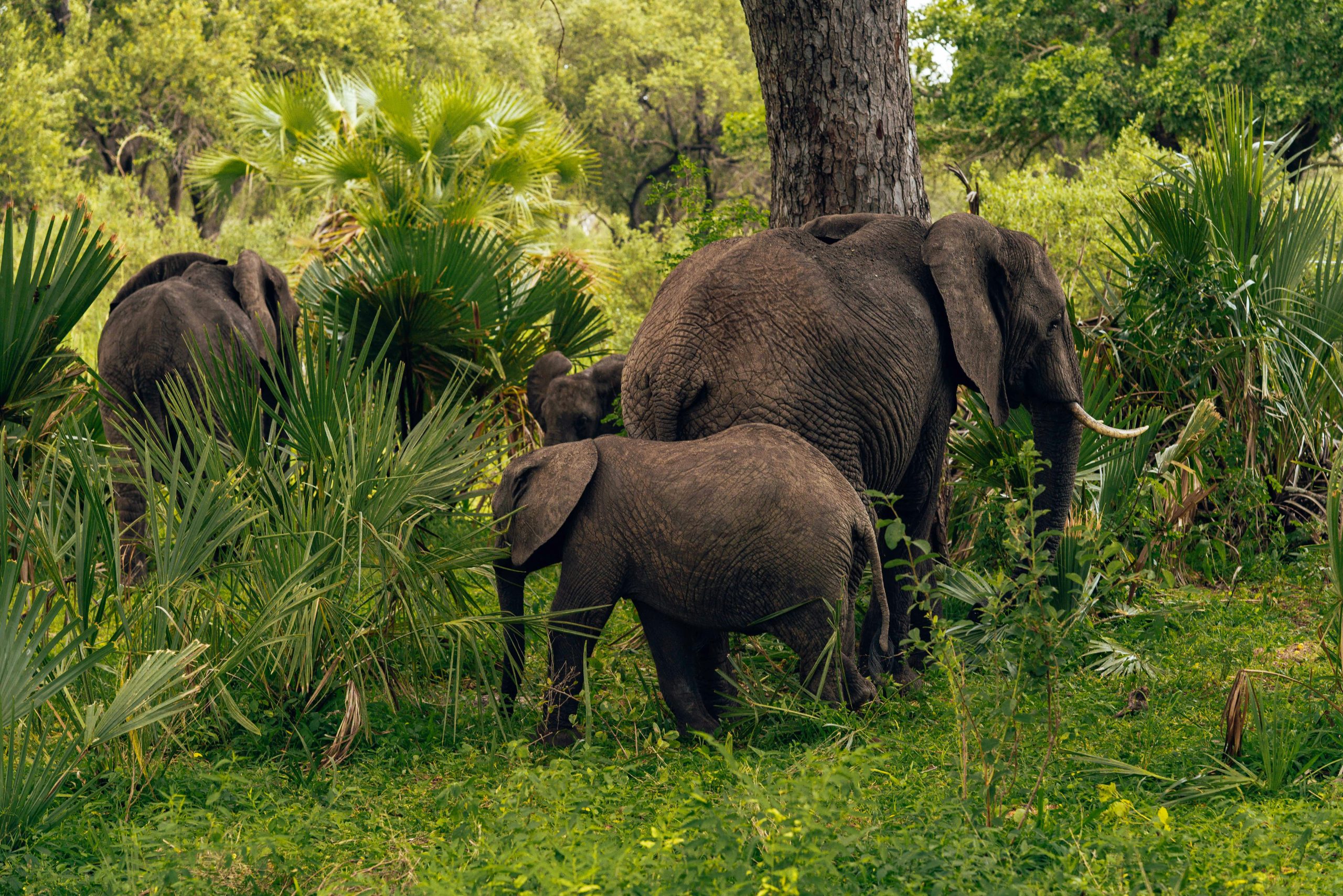
Rwanda Conservation Efforts
Rwanda Conservation Efforts
Rwanda Conservation Efforts: Protecting Wildlife, Empowering Communities, and Promoting Sustainable Tourism
Introduction
Rwanda has become one of Africa’s leading examples of successful wildlife conservation and sustainable tourism. Once threatened by deforestation, poaching, and habitat destruction, the country has transformed its conservation strategy into a model that balances environmental protection with economic growth and community development. From mountain gorilla conservation in Volcanoes National Park to forest restoration and eco-tourism initiatives, Rwanda demonstrates how conservation can improve biodiversity while supporting local livelihoods.
Today, Rwanda’s conservation efforts are globally recognized for helping mountain gorilla populations recover from near extinction. Through government partnerships, local community involvement, and responsible tourism, the country has created a sustainable framework that benefits wildlife and people alike.
The Rise of Gorilla Conservation in Rwanda
One of Rwanda’s greatest conservation achievements is the recovery of the endangered mountain gorilla population. In the 1980s, fewer than 300 mountain gorillas remained in the Virunga Mountains because of poaching and habitat loss. Through strict conservation laws, anti-poaching patrols, veterinary care, and regulated tourism, gorilla numbers have steadily increased. Today, more than 600 mountain gorillas live in Rwanda’s protected forests.
The conservation success in Rwanda is largely centered around Volcanoes National Park, home to some of the world’s last remaining mountain gorillas. The park has become a global destination for gorilla trekking, attracting tourists from across the world. Revenue generated from tourism directly supports conservation activities, ranger operations, and local community projects.
Rwanda also celebrates gorilla conservation through the famous Kwita Izina ceremony, where newborn gorillas are officially named each year. This event raises awareness about wildlife conservation while promoting Rwanda as a premier eco-tourism destination.
Community Involvement in Conservation
A key factor behind Rwanda’s conservation success is community participation. Rather than excluding local residents from protected areas, Rwanda has adopted a community-based conservation model that ensures local people benefit from tourism revenue and environmental protection.
Through the Tourism Revenue Sharing Programme, 10% of national park tourism revenue is invested in surrounding communities. These funds support schools, healthcare centers, clean water projects, and infrastructure development. Local residents are also employed as guides, rangers, lodge staff, artisans, and conservation workers.
The African Wildlife Foundation and the Rwanda Development Board have also worked with communities to expand and restore gorilla habitats around Volcanoes National Park. Land restoration projects provide economic opportunities while reducing human-wildlife conflict.
Community conservation efforts have strengthened public support for wildlife protection. Many former poachers now participate in eco-tourism and conservation projects, recognizing the long-term economic value of preserving wildlife.
Sustainable Tourism and Environmental Protection
Rwanda’s tourism model emphasizes sustainability and low environmental impact. Gorilla trekking permits are intentionally limited and expensive to reduce overcrowding and protect gorilla habitats. Strict guidelines ensure tourists maintain safe distances from gorillas to minimize stress and disease transmission.
In addition to gorilla conservation, Rwanda has expanded forest restoration programs and increased national forest cover significantly over the past decade. Conservation organizations have planted hundreds of thousands of native trees to restore degraded ecosystems and improve biodiversity.
Rwanda is also investing in scientific conservation methods, including environmental DNA (eDNA) monitoring. Researchers use genetic material collected from forests to monitor biodiversity and track endangered species without disturbing wildlife habitats.
Challenges Facing Rwanda’s Conservation Efforts
Despite its success, Rwanda still faces several conservation challenges. Population growth and agricultural expansion continue to place pressure on protected areas. Human-wildlife conflict occasionally occurs when gorillas leave forest boundaries and enter nearby communities searching for food. Rangers and conservation teams must carefully manage these interactions to protect both humans and wildlife.
Climate change also threatens ecosystems across East Africa. Changes in rainfall patterns may affect forest habitats and food availability for wildlife species, including gorillas.
Another concern involves balancing tourism growth with wildlife welfare. While gorilla tourism generates vital conservation funding, conservationists continue to debate the ethical impacts of close human interaction with endangered animals. Rwanda maintains strict tourism regulations to minimize risks while sustaining conservation funding.
Turkana Wildlife Safaris Uganda and Regional Conservation Tourism
Turkana Wildlife Safaris Uganda plays an important role in promoting responsible tourism and wildlife conservation across East Africa. The company offers safari experiences that connect travelers to Uganda’s diverse wildlife destinations, including gorilla trekking in Bwindi Impenetrable National Park and chimpanzee tracking in Kibale National Park.
By supporting eco-tourism, safari operators like Turkana Wildlife Safaris Uganda contribute to conservation funding, local employment, and community development. Sustainable tourism helps create economic incentives for protecting endangered species and preserving natural habitats across the region.
Uganda and Rwanda share the Virunga ecosystem, which is home to endangered mountain gorillas. Cross-border conservation cooperation between the two countries strengthens wildlife protection efforts, research, and eco-tourism development. Gorilla tourism in both countries provides essential revenue that supports anti-poaching patrols, habitat restoration, and conservation education.
The Future of Conservation in Rwanda
Rwanda continues to invest heavily in conservation and biodiversity protection. Current plans include expanding Volcanoes National Park by approximately 23% to create more space for gorillas and reduce territorial conflicts. The initiative is expected to generate thousands of jobs while strengthening conservation efforts and reducing human-wildlife conflict.
The country’s conservation model demonstrates that environmental protection and economic development can work together. By combining tourism, scientific research, habitat restoration, and community empowerment, Rwanda has become a global leader in sustainable conservation.
Frequently Asked Questions (FAQs)
1. Why is Rwanda famous for conservation?
Rwanda is internationally recognized for its successful mountain gorilla conservation programs, sustainable tourism initiatives, and community based conservation strategies.
2. Where are mountain gorillas found in Rwanda?
Mountain gorillas are primarily found in Volcanoes National Park in northwestern Rwanda.
3. How does tourism support conservation in Rwanda?
Tourism generates revenue used for anti-poaching patrols, park management, community projects, ranger salaries, and habitat restoration programs.
4. What is the Kwita Izina ceremony?
Kwita Izina is Rwanda’s annual gorilla naming ceremony that celebrates newborn gorillas and raises awareness about conservation.
5. How do local communities benefit from conservation?
Communities benefit through tourism revenue sharing, employment opportunities, improved infrastructure, healthcare projects, and educational programs.
6. What role does Turkana Wildlife Safaris Uganda play in conservation tourism?
Turkana Wildlife Safaris Uganda promotes responsible safari tourism that supports wildlife conservation, local communities, and sustainable travel experiences in Uganda and East Africa.
7. What challenges threaten wildlife conservation in Rwanda?
Major challenges include climate change, habitat pressure from population growth, human-wildlife conflict, and maintaining ethical tourism practices.
Conclusion
Rwanda’s conservation journey is one of Africa’s greatest environmental success stories. Through strong government leadership, community involvement, scientific innovation, and sustainable tourism, the country has transformed endangered wildlife conservation into a driver of economic growth and social development. The recovery of mountain gorillas stands as a symbol of what is possible when conservation efforts are supported by local communities and responsible tourism.
Organizations and safari operators such as Turkana Wildlife Safaris Uganda continue to strengthen regional eco-tourism and conservation awareness across East Africa. As Rwanda expands protected habitats and invests in biodiversity preservation, the country provides a powerful example of how conservation can secure a better future for both wildlife and people.