
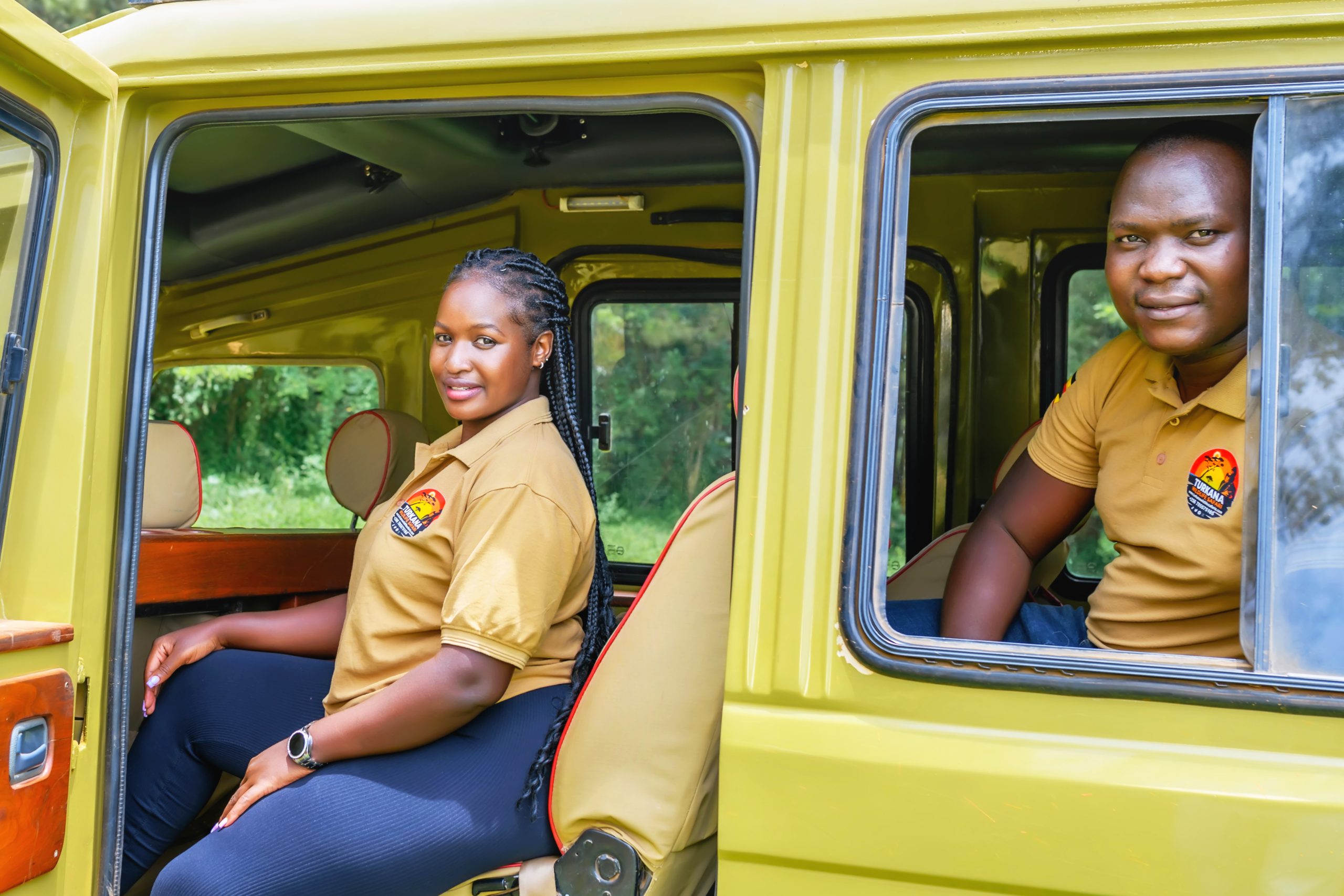
Safari Expedition
Safari Expedition
The Ultimate Safari Expedition: A Journey into the Wild
Introduction to Safari Expeditions
Embarking on a safari expedition is an exhilarating experience that allows adventurers to immerse themselves in the untamed beauty of nature. These journeys take you deep into the heart of the wild, offering a unique opportunity to witness majestic wildlife and breathtaking landscapes. Whether you’re a seasoned traveler or a first-time explorer, a safari expedition promises an unforgettable adventure.
The Allure of the African Savanna
The Iconic Big Five
One of the most enticing aspects of a safari expedition is the chance to encounter the legendary Big Five: lions, elephants, buffalo, leopards, and rhinoceroses. These magnificent creatures roam the African savanna, captivating visitors with their grace and power. Observing them in their natural habitat is a humbling experience that leaves a lasting impression.
Diverse Ecosystems
The African continent boasts a rich tapestry of ecosystems, each offering its own unique charm. From the vast plains of the Serengeti to the lush wetlands of the Okavango Delta, these diverse landscapes provide a haven for a wide array of wildlife. Exploring these ecosystems on a safari expedition allows you to witness the intricate balance of nature.
Planning Your Safari Expedition
Choosing the Right Destination
Selecting the ideal destination for your safari expedition is crucial to ensuring a memorable experience. Popular choices include Kenya’s Maasai Mara, Tanzania’s Ngorongoro Crater, and South Africa’s Kruger National Park. Each destination offers distinct wildlife encounters and stunning scenery, so it’s essential to research and choose one that aligns with your interests.
Best Time to Go
Timing is everything when it comes to a successful safari expedition. The dry season, typically from June to October, is considered the best time for wildlife viewing. During this period, animals gather around water sources, making them easier to spot. However, the wet season also has its advantages, such as lush landscapes and fewer tourists.
Packing Essentials
Preparing for a safari expedition requires careful consideration of what to pack. Essential items include lightweight clothing, sturdy footwear, a wide-brimmed hat, sunscreen, and insect repellent. Binoculars and a good camera are also must-haves for capturing those once-in-a-lifetime moments.
The Safari Experience
Guided Tours vs. Self-Drive Safaris
When embarking on a safari expedition, you have the option of joining a guided tour or embarking on a self-drive adventure. Guided tours offer the expertise of knowledgeable guides who can provide valuable insights into the wildlife and ecosystems. On the other hand, self-drive safaris offer more flexibility and the thrill of exploring at your own pace.
Accommodation Options
Safari expeditions offer a range of accommodation options to suit different preferences and budgets. Luxury lodges provide comfort and convenience, while tented camps offer a more immersive experience in the heart of the wilderness. For those seeking a truly authentic adventure, camping under the stars is an unforgettable option.
Conservation and Responsible Tourism
Protecting Wildlife and Habitats
Conservation is a fundamental aspect of safari expeditions. Responsible tourism practices help protect wildlife and their habitats, ensuring that future generations can enjoy these natural wonders. Supporting eco-friendly lodges and participating in conservation initiatives are ways travelers can contribute to the preservation of these precious ecosystems.
Community Involvement
Engaging with local communities is an integral part of a responsible safari expedition. Many safari operators work closely with indigenous communities, providing employment opportunities and supporting local development projects. By choosing operators that prioritize community involvement, travelers can make a positive impact on the lives of those who call these regions home.
FAQ
What is the best time of year for a safari expedition?
The best time for a safari expedition is during the dry season, from June to October, when wildlife is more easily spotted around water sources.
How do I choose the right safari destination?
Research different destinations based on your interests and wildlife preferences. Popular options include Kenya’s Maasai Mara, Tanzania’s Ngorongoro Crater, and South Africa’s Kruger National Park.
What should I pack for a safari expedition?
Pack lightweight clothing, sturdy footwear, a wide-brimmed hat, sunscreen, insect repellent, binoculars, and a camera to capture memorable moments.
Are guided tours better than self-drive safaris?
Guided tours offer expert insights and convenience, while self-drive safaris provide flexibility and the thrill of independent exploration.
How can I support conservation efforts during my safari expedition?
Choose eco-friendly lodges, participate in conservation initiatives, and engage with local communities to contribute to wildlife and habitat preservation.
Embarking on a safari expedition is a transformative journey that connects you with the natural world in profound ways. By choosing the right destination, planning carefully, and embracing responsible tourism practices, you can ensure a rewarding and sustainable adventure into the wild.