
Safari Safety Tips in Uganda
Safari Safety Tips in Uganda
Safari Safety Tips in Uganda: Practical Guidance for a Safe, Memorable Trip
Uganda is one of Africa’s most rewarding safari destinations—home to mountain gorillas, chimpanzees, the Big Five (in select parks), and iconic landscapes like the Nile and the Albertine Rift. Safety on safari is largely about good planning, respectful wildlife behavior, and smart travel habits.
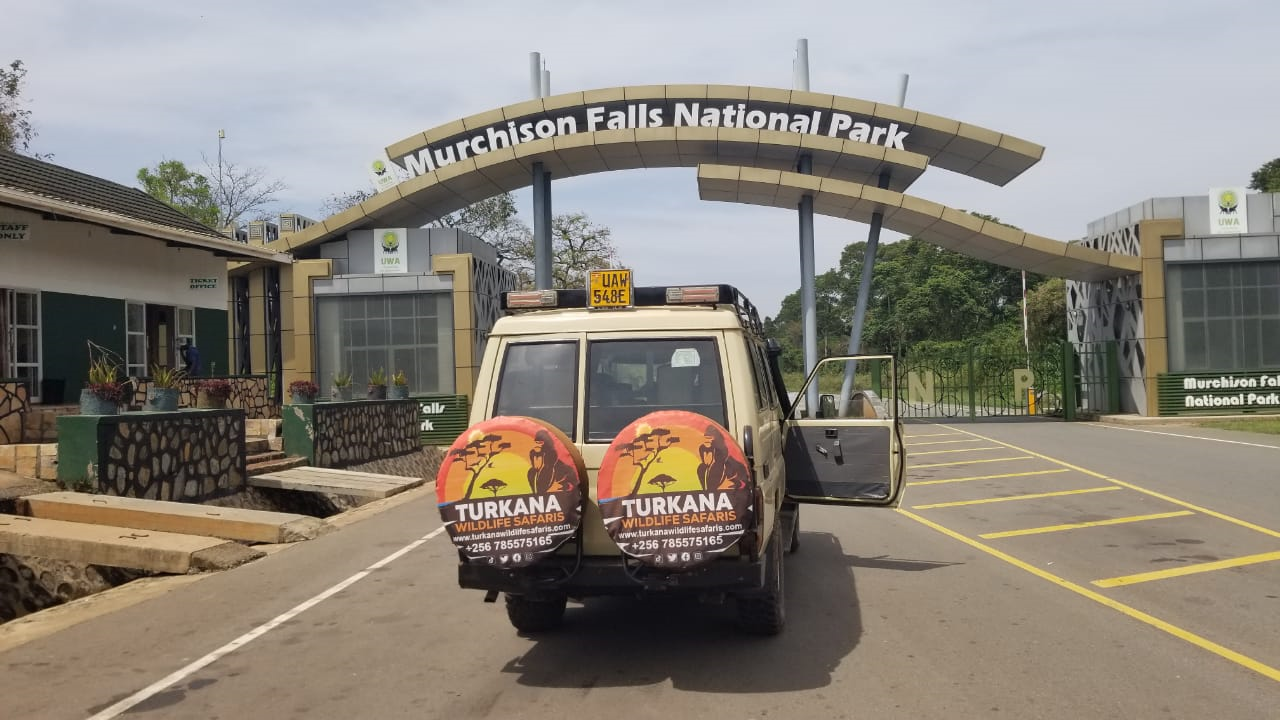
If you’re arranging a trip, you can also explore regional safari planning resources like Turkana Wildlife Safaris for ideas on itineraries, packing, and travel logistics.
1) Choose Licensed Operators, Guides, and Vehicles
A major part of safari safety is the quality of the people and equipment around you.
What to look for
- A registered tour company and licensed guides
- Clear itineraries and emergency contacts
- Well-maintained 4x4s (tires, recovery gear, working seatbelts where available)
- Driver-guide experience in the parks you’re visiting
Ask before you book
- Who is your lead guide and what’s their field experience?
- Do they carry a first-aid kit and radio/phone coverage plan?
- What’s the contingency plan for breakdowns or medical issues?
For general safari planning and operator-led trips, you can start with: Turkana Wildlife Safaris.
2) Follow Wildlife Rules
Uganda’s wildlife is incredible also unpredictable. Most safari incidents happen when people get too close, stand up suddenly, or ignore guide instructions.
Key wildlife safety principles
- Stay inside the vehicle unless your guide says otherwise.
- Never feed animals (it changes behavior and increases aggression).
- Keep voices low and movements slow.
- Don’t run if an animal approaches—follow your guide’s direction.
- Maintain distance even if the animal seems calm.
Around lodges/camps
- Don’t walk alone at night; use an escort if offered.
- Keep your tent/room zipped/locked.
- Never store food openly especially fruit.
3) Gorilla & Chimp Trekking Safety (Bwindi, Mgahinga, Kibale)
These experiences are safe when rules are followed, but they are physically demanding and occur in dense forest.
Gorilla trekking safety tips
- Listen to the ranger at all times.
- Keep the required distance (often ~7 meters, rules may vary).
- Do not trek if you’re sick (protects primates from human respiratory illness).
- Avoid direct eye contact and sudden movements.
- If a gorilla charges: stay calm, follow ranger instructions, don’t scream.
Chimp tracking safety tips
- Chimps move fast watch footing and keep pace safely.
- Keep cameras secured; avoid dangling items.
- Be prepared for muddy slopes and thick undergrowth.
What to pack
- Ankle-support hiking boots
- Long sleeves/trousers (nettles, ants)
- Gloves (optional but helpful)
- Rain jacket or poncho
- Water + electrolytes
4) Malaria Prevention and Health Precautions
Uganda is a malaria-risk destination in many areas.
Core prevention
- Talk to a travel clinic about antimalarials
- Use DEET or picaridin repellent
- Wear long sleeves at dusk/night
- Sleep under nets where provided
Other health tips
- Drink bottled/treated water
- Carry oral rehydration salts
- Consider vaccines recommended for the region (your clinic will advise)
- Travel insurance that covers medical evacuation is strongly recommended
5) Road Travel Safety: Uganda’s Biggest Practical Risk
Wildlife attacks are rare; road incidents are more common.
Safer road habits
- Avoid long drives at night whenever possible
- Use experienced drivers who know park roads and local conditions
- Keep valuables out of sight
- Wear seatbelts when available
- Expect slow travel times (rain, potholes, livestock, traffic)
If your itinerary includes remote areas, ask your operator about:
- spare tire(s) and jack
- satellite phone or reliable comms plan
- recovery gear for mud
6) Park Specific Safety Notes
Murchison Falls National Park
- Strong currents near the Nile follow boat crew instructions.
- Keep distance from hippos and crocodiles along the riverbanks.
Queen Elizabeth National Park
- Good for boat safaris stay seated and keep hands inside.
- Lions can be near tracks; no walking unless guided and permitted.
Kidepo Valley National Park
- Remote and rugged carry extra water, confirm fuel plans, and allow buffer days.
7) Personal Security and Common Sense Travel Habits
Uganda is generally welcoming, but like anywhere, you should travel smart.
Practical tips
- Don’t flash expensive gear in crowded areas
- Use ATMs in secure locations (banks, malls where possible)
- Keep copies of passport/visa (digital + paper)
- Use a money belt or hidden pouch in cities
- Confirm your accommodation’s security (locks, safe storage, staff presence)
8) Packing for Safety (Quick Checklist)
Must-haves
- Small first-aid kit (plasters, antiseptic, pain relief, antihistamines)
- Hand sanitizer + wet wipes
- Headlamp/torch
- Power bank
- Rehydration salts
- Insect repellent
- Sun protection (hat, sunscreen, sunglasses)
Nice-to-have
- Binoculars (less temptation to move closer to wildlife)
- Dry bag for boat trips and rainy days
- Trekking pole (forest hikes)
9) What to Do in an Emergency
Before you go
- Save emergency contacts (operator, lodge, local emergency numbers)
- Share itinerary with someone at home
- Confirm nearest clinic/hospital for each region
If something happens
- Follow your guide’s direction first (they know the terrain and protocols)
- Seek medical help early for fever, dehydration, or injuries
- Contact your insurer quickly if evacuation is needed
FAQ (5 Common Questions)
1) Is Uganda safe for safari travel?
Yes, most trips are trouble free when you use reputable guides, follow park rules, and practice road/health precautions.
2) What’s the biggest safety risk on safari in Uganda?
Road travel and health issues (like dehydration or malaria) are typically bigger risks than wildlife prevention and planning help a lot.
3) Is gorilla trekking dangerous?
It’s generally safe with ranger guidance. The main challenges are physical: steep trails, mud, and altitude. Following trekking rules is essential.
4) Can I walk around safari lodges at night?
Only if permitted and advised by staff. Many lodges recommend escorted movement after dark due to wildlife.
5) Do I need travel insurance?
Strongly recommended ideally including medical treatment, evacuation, and coverage for trekking activities.